

Can Menstrual Discs Cause Pelvic Organ Prolapse?
Date Created: 2 August 2025
Read Time: 4 min
Pelvic organ prolapse is a health concern that affects thousands of Australians - most commonly those who have given birth vaginally. But with more people turning to reusable menstrual products like discs, it’s fair to ask: can a menstrual disc cause or worsen prolapse?
Let’s look at the facts, what the research says, and why the award-winning my mimi menstrual disc is designed with your body in mind.
What is pelvic organ prolapse?
Pelvic organ prolapse occurs when one or more organs - such as the uterus, bladder or rectum - move out of their normal position and press against the vaginal wall. It’s usually caused by weakened pelvic floor muscles, often due to childbirth, ageing or heavy lifting over time.
Common symptoms include:
- A feeling of pressure or heaviness in the pelvis
- A bulge in the vagina
- Trouble with bladder or bowel function
- Discomfort during intimacy
It’s important to know that prolapse is not caused by using the toilet too often, inserting menstrual products, or exercising. But people with prolapse may need to be more thoughtful about what they use during their period.
Can menstrual discs cause prolapse?
There is no medical evidence that menstrual discs cause pelvic organ prolapse.
Reusable menstrual discs sit in the vaginal fornix - just below the cervix, behind the pubic bone. Unlike traditional menstrual cups that rely on suction, a menstrual disc stays in place through gentle pressure against the vaginal walls. This means there's no vacuum seal or pulling action involved.
For people with existing prolapse, certain menstrual cups may feel uncomfortable due to the suction or shape. But discs, including my mimi, are generally considered more suitable.
In fact, many pelvic floor physios recommend discs over cups for people managing prolapse or recovering from birth.
What makes my mimi different?
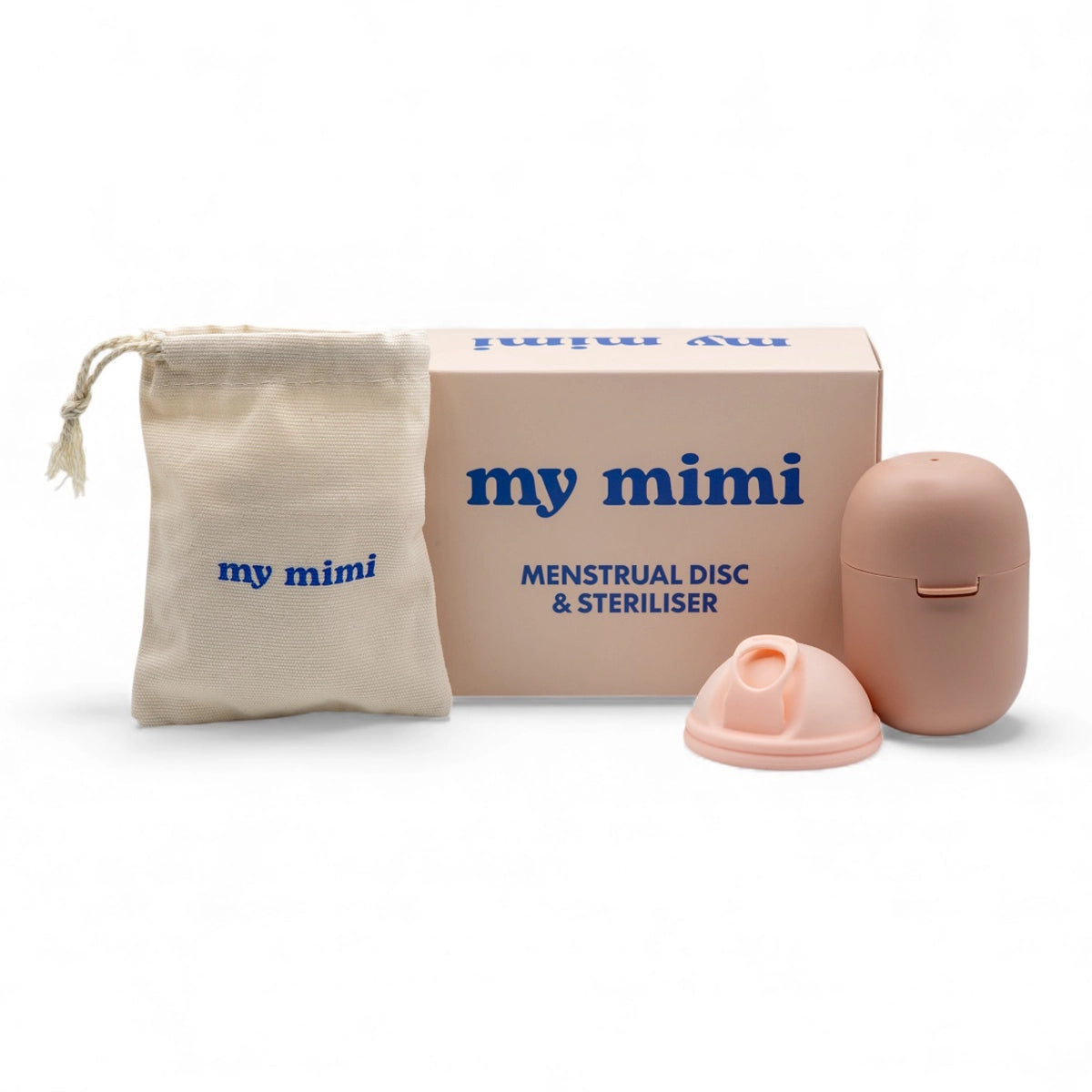
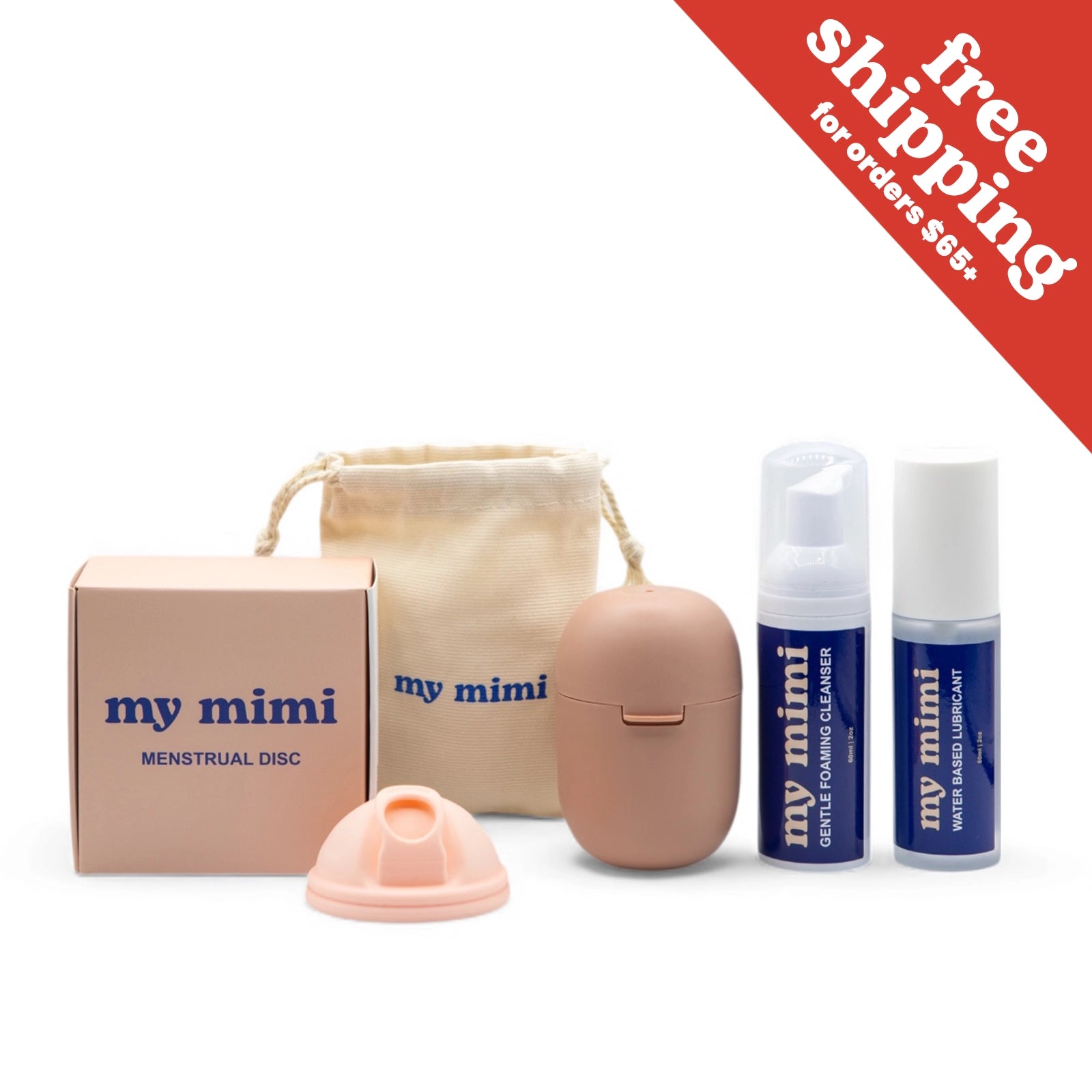
my mimi is a trusted, established period care brand known for comfort and quality. It recently won “Best Sustainable Period Care Solution in Australia 2025” for good reason.
Key features include:
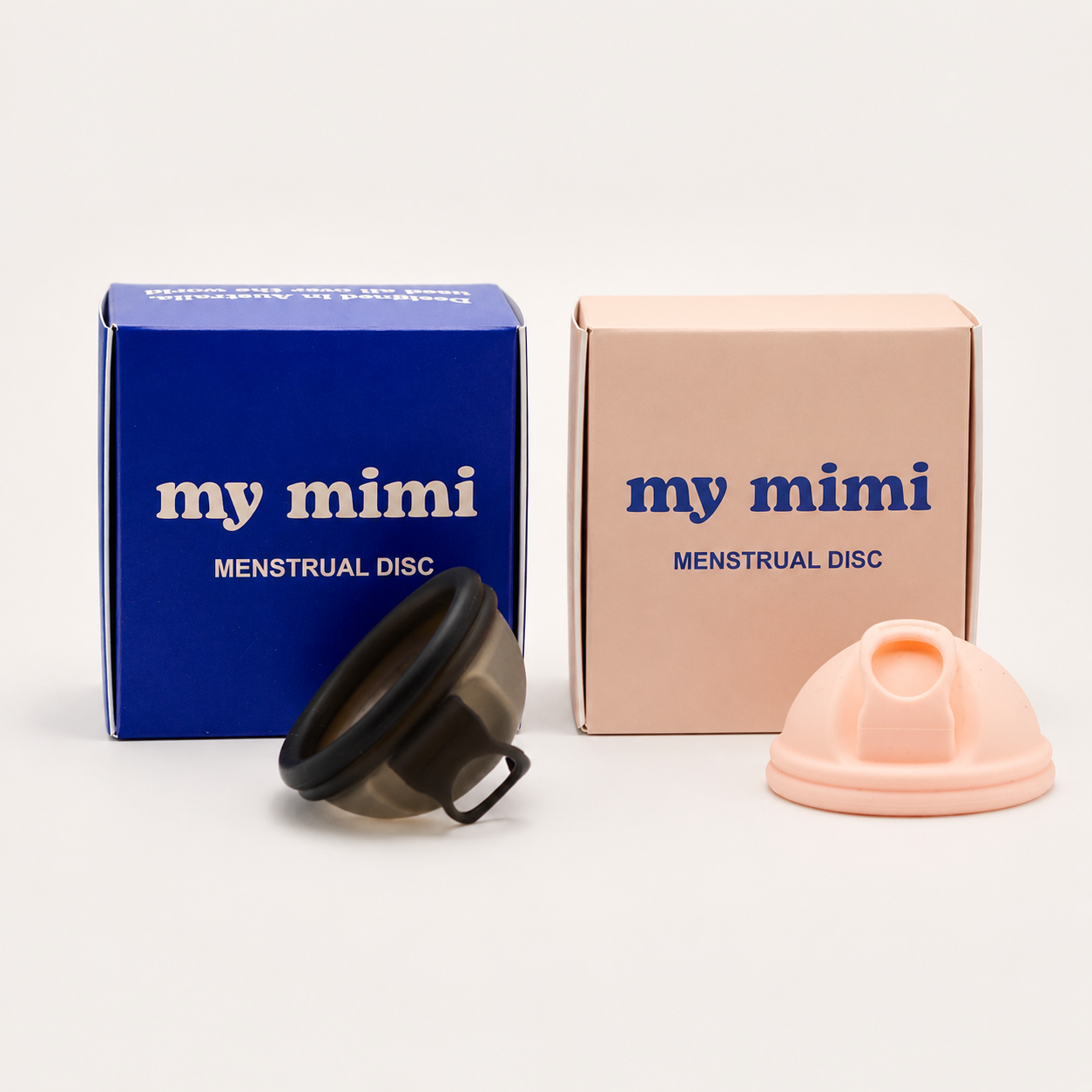
- Two sizes to suit different bodies: Small (32ml) and Large (61ml)
- A loop-tab for easy, mess-free removal - no pinching or suction
- Soft, flexible medical-grade silicone
- Lasts up to five years, costing only around 83 cents per month
- TGA-compliant and FDA-registered
- Safe for IUD users and recommended for low cervix wearers
It’s the only reusable disc in Australia to offer both a loop tab and two sizes, making it a favourite for beginners and experienced users alike.
Is it safe to use a menstrual disc with prolapse?
For most people, yes.
If you’ve been diagnosed with a pelvic organ prolapse, it’s always wise to check with a qualified health practitioner before using any internal product. But in general, menstrual discs - because they don’t rely on suction - are a gentler option.
Some people even report that the disc provides a slight feeling of support during their period. However, it should never cause pressure, pain or worsen symptoms. If it does, discontinue use and consult a professional.
What about inserting and removing the disc?
Unlike tampons or cups, a menstrual disc is inserted horizontally, not upwards. This helps it tuck neatly into place under the cervix. It might take a cycle or two to get used to, but most users find the learning curve short.
my mimi discs are especially easy to remove thanks to the loop tab. You simply hook your finger, break the seal gently, and guide the disc out - no bearing down or awkward digging.
For those with a low cervix or prolapse, this removal design is often more comfortable than pinching a cup base or reaching too far.
Who is the my mimi disc best for?
Whether you’re new to period care or switching from tampons or cups, my mimi is ideal for:
- People with sensitive vaginal walls
- Those who want a non-suction option
- People managing mild pelvic organ prolapse
- IUD users (always confirm with your doctor)
- Anyone looking for an eco-friendly, reusable option
It’s also a great choice for those seeking comfort during workouts, sleep, or intimacy - yes, some people do have sex while wearing a menstrual disc.
Listen to your body
Your period care should never cause pain or pressure. If you feel discomfort while using any menstrual product, stop using it and talk to your GP or pelvic health physio.
Health Note
This article is for informational purposes only. For personalised advice or diagnosis, always speak to a qualified healthcare professional.
Featured collection

my mimi - reusable menstrual disc