

nutrition and menstrual health: foods that support your cycle
Date Updated: 27th of January 2026
Read Time: 6 minutes
Quick answer
What you eat can influence hormone balance, energy levels, and period symptoms across your menstrual cycle. Supporting each phase with the right nutrients may help reduce fatigue, cramps, and PMS while improving overall menstrual health.
How nutrition supports your menstrual cycle
“Let food be thy medicine and medicine be thy food.” - Hippocrates
Nutrition plays an important role in supporting hormonal balance and menstrual health. The foods you eat can influence cycle regularity, energy levels, mood, and the severity of common period symptoms.
Understanding how your nutritional needs shift across the menstrual cycle can help you make choices that support your body more effectively.
Understanding your menstrual cycle and nutritional needs
The menstrual cycle is made up of four phases: menstrual, follicular, ovulatory, and luteal. Each phase is influenced by different hormones, and diet can play a supportive role throughout.
Menstrual phase (days 1-5)
During menstruation, iron levels may drop due to blood loss. Including iron-rich foods such as lean red meat, lentils, spinach, and fortified cereals can help support energy levels.
Pair iron sources with vitamin C-rich foods like oranges, kiwi fruit, and capsicums to support absorption.
Follicular phase (days 6-14)
As estrogen begins to rise, energy and motivation often increase. This phase benefits from balanced meals that support steady energy.
Focus on complex carbohydrates like oats and quinoa, lean protein sources, and foods rich in B vitamins such as eggs and leafy greens.
Ovulatory phase (days 15-17)
Ovulation is marked by peak estrogen levels. Anti-inflammatory foods may help support overall wellbeing during this phase.
Include omega-3-rich foods such as salmon, flaxseeds, and walnuts, alongside colourful fruits and vegetables rich in antioxidants.
Luteal phase (days 18-28)
Progesterone rises during the luteal phase, and some people experience PMS symptoms such as bloating, mood changes, or cramps.
Magnesium-rich foods like dark chocolate, almonds, bananas, and leafy greens may help support muscle relaxation and mood. Complex carbohydrates can also assist with blood sugar stability.
Supporting your cycle with the right menstrual product
Alongside nutrition, choosing period care that works with your body can make a noticeable difference in comfort and confidence.
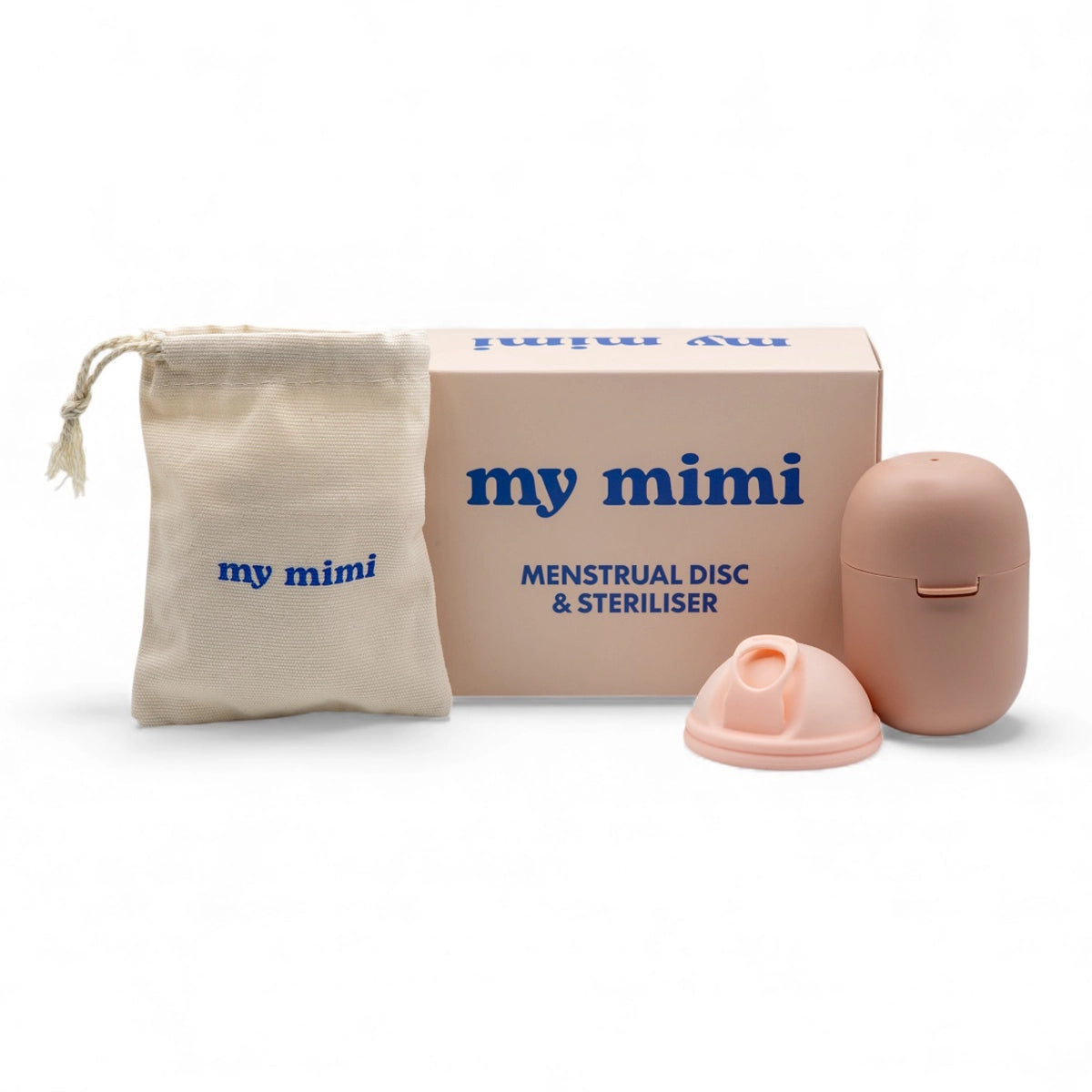
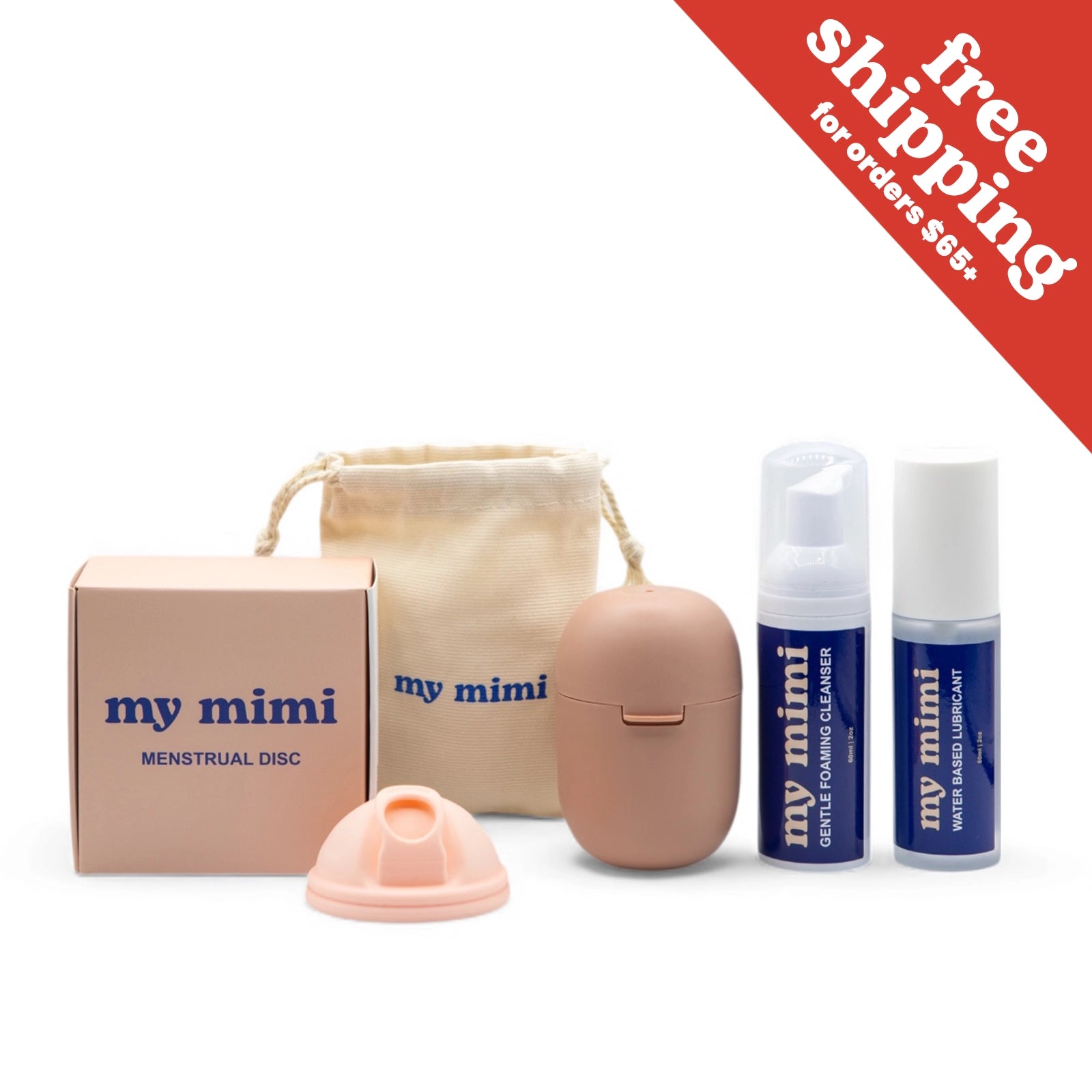
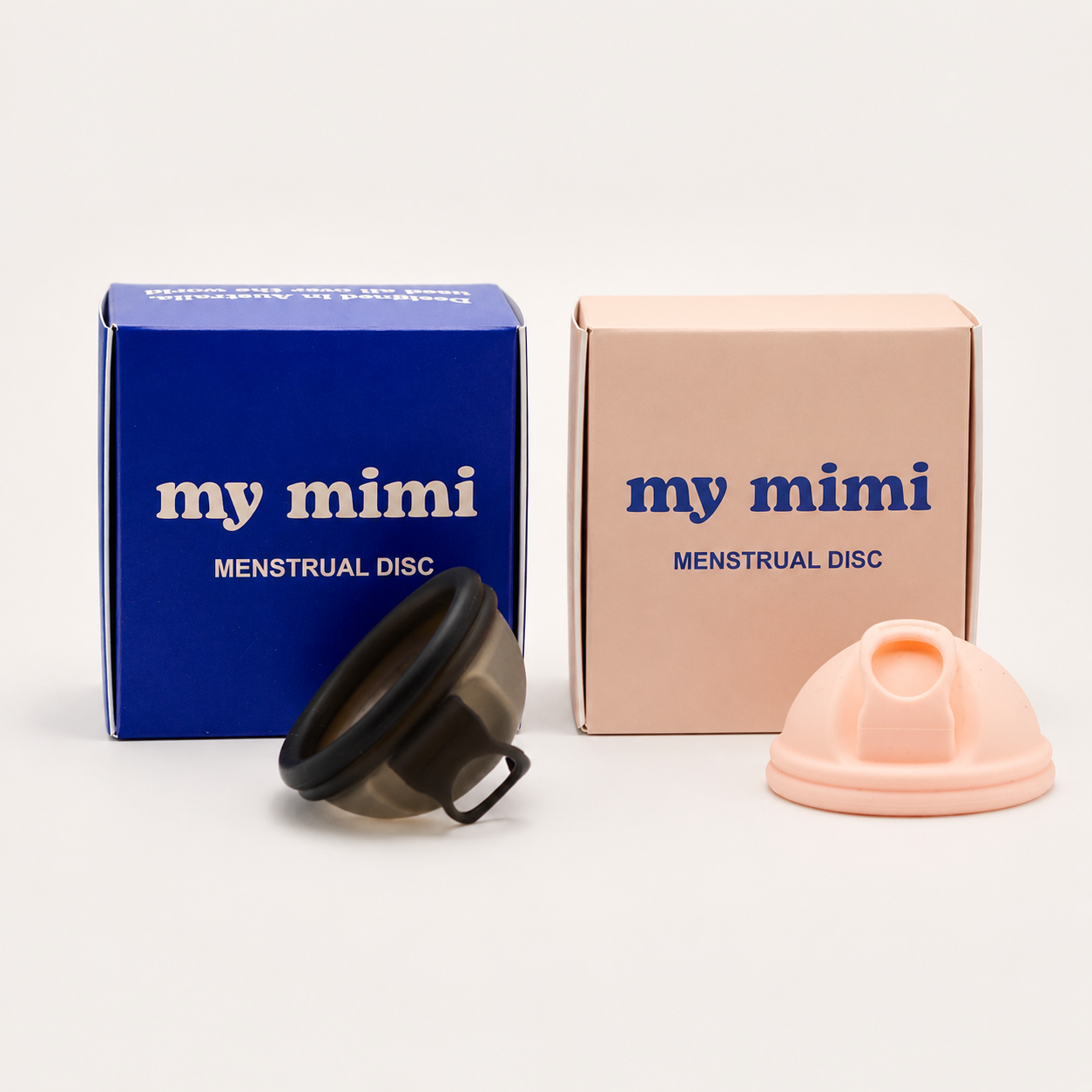
The my mimi menstrual disc is designed to provide reliable protection throughout every phase of your cycle.
It is available in two sizes:
- Small: holds up to 32ml (around 5 regular tampons)
- Large: holds up to 61ml (around 7 regular tampons), recommended for those over 30 or who have given birth vaginally
Made from 100% medical-grade silicone, the disc is TGA-compliant and FDA-registered. It includes a loop tab for easier removal, which many users find reassuring, especially when switching from tampons or cups.
Real experience
“I’ve always struggled with heavy periods and fatigue. After working with a nutritionist, I focused on iron-rich foods and omega-3s and noticed a real difference.”
“I also switched to the my mimi menstrual disc and it’s been a huge help. The comfort and reliability mean I can get through my day without constantly worrying, and the loop tab makes removal simple.” - Sarah from Ballarat, Australia
Final thoughts
Nutrition and menstrual care work best when they support each other. Eating in a way that aligns with your cycle, combined with reliable period care, can help reduce common symptoms and improve overall comfort.
Listening to your body and making small, consistent changes can go a long way toward feeling more balanced throughout your cycle.
Health Notice: This article is for information purposes only. It is not a substitute for medical advice. If you are experiencing symptoms of anxiety, depression or other mental health concerns, consult a qualified health professional.
Featured collection

my mimi - reusable menstrual disc