

15 Ways to Feel Better on Your Period
Date Created: 10 July 2026
Read Time: 10 minutes
For many people, periods are little more than a minor inconvenience. For others, they can bring cramps, fatigue, bloating, headaches, mood changes and low energy that make everyday life more challenging.
The good news is that there are plenty of simple, evidence-based strategies that may help you feel more comfortable during your period. While every body is different, combining healthy lifestyle habits with the right period products can make a noticeable difference.

Here are 15 practical ways to help you feel better during your period.
1. Use a Heat Pack
A heat pack is one of the simplest and most effective ways to ease menstrual cramps.
Applying heat to your lower abdomen helps relax the muscles of the uterus, which may reduce cramping and discomfort. Some research suggests heat therapy can provide pain relief comparable to certain over-the-counter medications for mild menstrual pain.
A reusable wheat bag, hot water bottle or electric heating pad can all be effective.
2. Stay Hydrated
Drinking enough water won't stop your period, but it may help reduce bloating, headaches and fatigue.
Dehydration can also contribute to muscle tension, making cramps feel worse for some people.
Aim to drink water consistently throughout the day rather than waiting until you're thirsty.
3. Eat Nutritious Foods
Your body works hard during your menstrual cycle, so giving it nutritious fuel can help support your energy levels.
Focus on foods rich in:
- Iron
- Magnesium
- Protein
- Whole grains
- Fresh fruit and vegetables
- Healthy fats
These nutrients may help support energy production, muscle function and overall wellbeing.
4. Keep Moving
Exercise might be the last thing you feel like doing, but gentle movement can actually help many people feel better.
Walking, stretching, yoga or light cycling may help:
- Reduce cramps
- Improve mood
- Boost circulation
- Increase energy
- Reduce stress
You don't need an intense workout—even 20 to 30 minutes of movement can make a difference.
5. Prioritise Sleep
Your body recovers while you sleep.
If possible, aim for seven to nine hours of quality sleep during your period. Good sleep may help reduce fatigue, improve mood and support your body's natural recovery processes.
If cramps are disrupting your sleep, try using a heat pack before bed or adjusting your sleeping position for greater comfort.
6. Reduce Stress
Stress doesn't cause periods, but it can influence how you experience symptoms.
Simple stress-management techniques include:
- Deep breathing
- Meditation
- Reading
- Listening to music
- Spending time outdoors
Even a few minutes of relaxation each day can help you feel calmer.
7. Consider Magnesium-Rich Foods
Magnesium plays an important role in muscle relaxation.
Foods like pumpkin seeds, spinach, almonds and black beans are naturally high in magnesium and may support normal muscle function.
8. Wear Comfortable Clothing
Tight waistbands can sometimes make bloating feel more noticeable.
Choosing comfortable clothing that doesn't place unnecessary pressure on your abdomen may help you feel more relaxed throughout the day.
Comfort isn't just about what you eat or how you rest - it's also about choosing period products that work with your lifestyle.
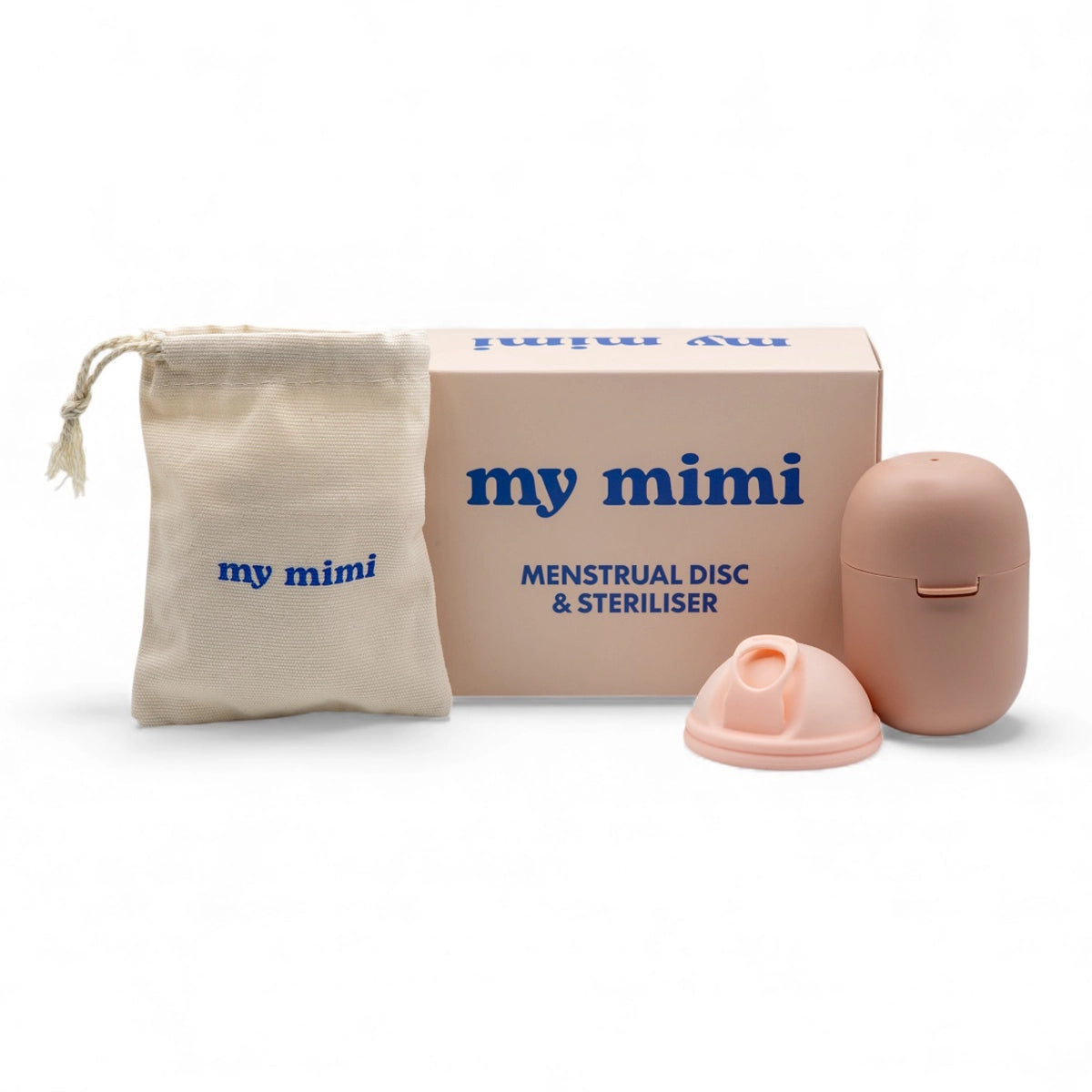
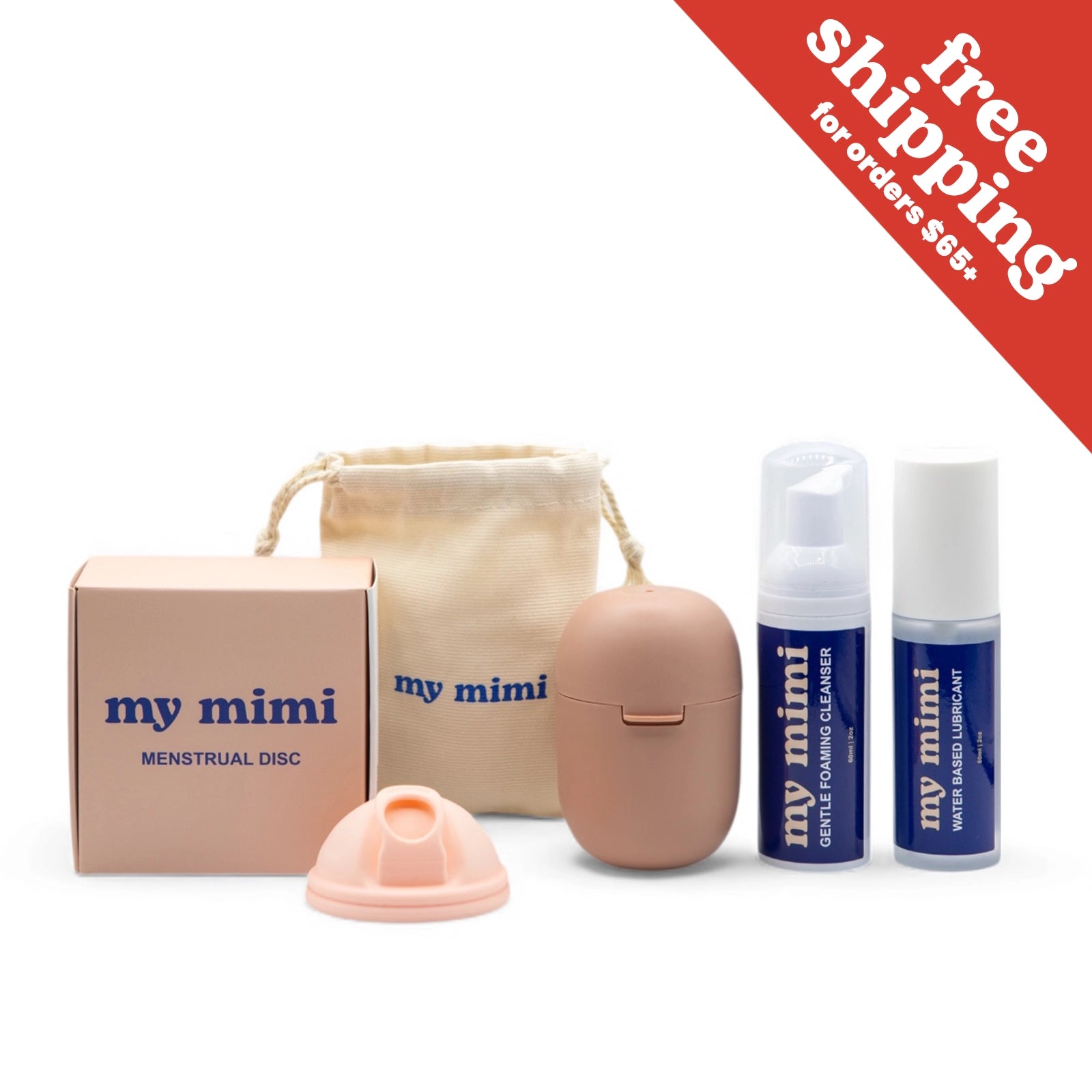
The my mimi Menstrual Disc provides up to 12 hours of leak-free protection, can be worn while sleeping, exercising and swimming, and holds the equivalent of up to seven regular tampons. Many people find that having long-lasting protection means they can spend less time worrying about their period and more time focusing on everyday life.
9. Limit Alcohol
Alcohol affects everyone differently.
Some people notice that drinking alcohol during their period worsens dehydration, disrupts sleep or leaves them feeling more fatigued the following day.
If you choose to drink, staying hydrated at the same time may help.
10. Enjoy Caffeine in Moderation
Coffee doesn't affect everyone the same way.
Some people can enjoy their usual morning coffee without any issues, while others find that too much caffeine can increase anxiety, breast tenderness or make cramps feel worse.
Pay attention to how your own body responds.
11. Gentle Stretching
Stretching your hips, lower back and pelvic muscles may help relieve tension associated with menstruation.
Yoga poses such as Child's Pose or Cat-Cow are popular options that many people find relaxing.
12. Spend Time Outdoors
Fresh air and natural sunlight can support both physical and mental wellbeing.
A gentle walk outside combines movement, sunlight and stress relief—all of which may help you feel better.
13. Track Your Cycle
Understanding your menstrual cycle can help you prepare for symptoms before they begin.
Tracking your cycle using the free my mimi period tracker, this may allow you to:
- Plan around heavier flow days
- Prepare pain relief if needed
- Recognise patterns in symptoms
- Identify changes worth discussing with your doctor
14. Listen to Your Body
Some days you may feel like exercising.
Other days you may simply need extra rest.
Your body's needs can change from one cycle to the next, and that's perfectly normal.
Give yourself permission to slow down when needed.
15. Speak with Your Healthcare Provider if Something Doesn't Feel Right
While some discomfort during a period is common, severe pain isn't something you simply have to live with.
If your symptoms are significantly affecting your daily life, becoming progressively worse or causing heavy bleeding, it's important to seek medical advice. Conditions such as endometriosis, adenomyosis or fibroids may require assessment and treatment.
Frequently Asked Questions
What is the fastest way to feel better on your period?
Many people find that combining a heat pack, staying hydrated, eating nourishing foods and getting adequate rest provides the quickest relief from common period symptoms.
Does exercise really help period cramps?
For many people, yes. Gentle exercise may improve circulation, release endorphins and reduce muscle tension, which can help ease cramps.
What foods are best during your period?
Iron-rich foods, leafy greens, whole grains, fruit, vegetables, healthy fats and protein-rich meals can all support your body during menstruation.
Should I rest or stay active?
There's no single right answer. Listen to your body—some people benefit from light movement, while others need more rest on heavier days.
Final Thoughts
Feeling better during your period usually isn't about finding one miracle solution. Instead, it's often the result of combining several healthy habits that support your body throughout your cycle.
Whether it's staying hydrated, eating nutritious foods, using a heat pack, getting enough sleep or choosing comfortable period products like a menstrual disc, small changes can add up to make each cycle feel more manageable.
Medical Disclaimer: This article is intended for general educational purposes only and does not replace professional medical advice. If you experience severe menstrual pain, unusually heavy bleeding, irregular periods or symptoms that interfere with your daily life, consult your GP or another qualified healthcare professional for personalised assessment and treatment.
Featured collection
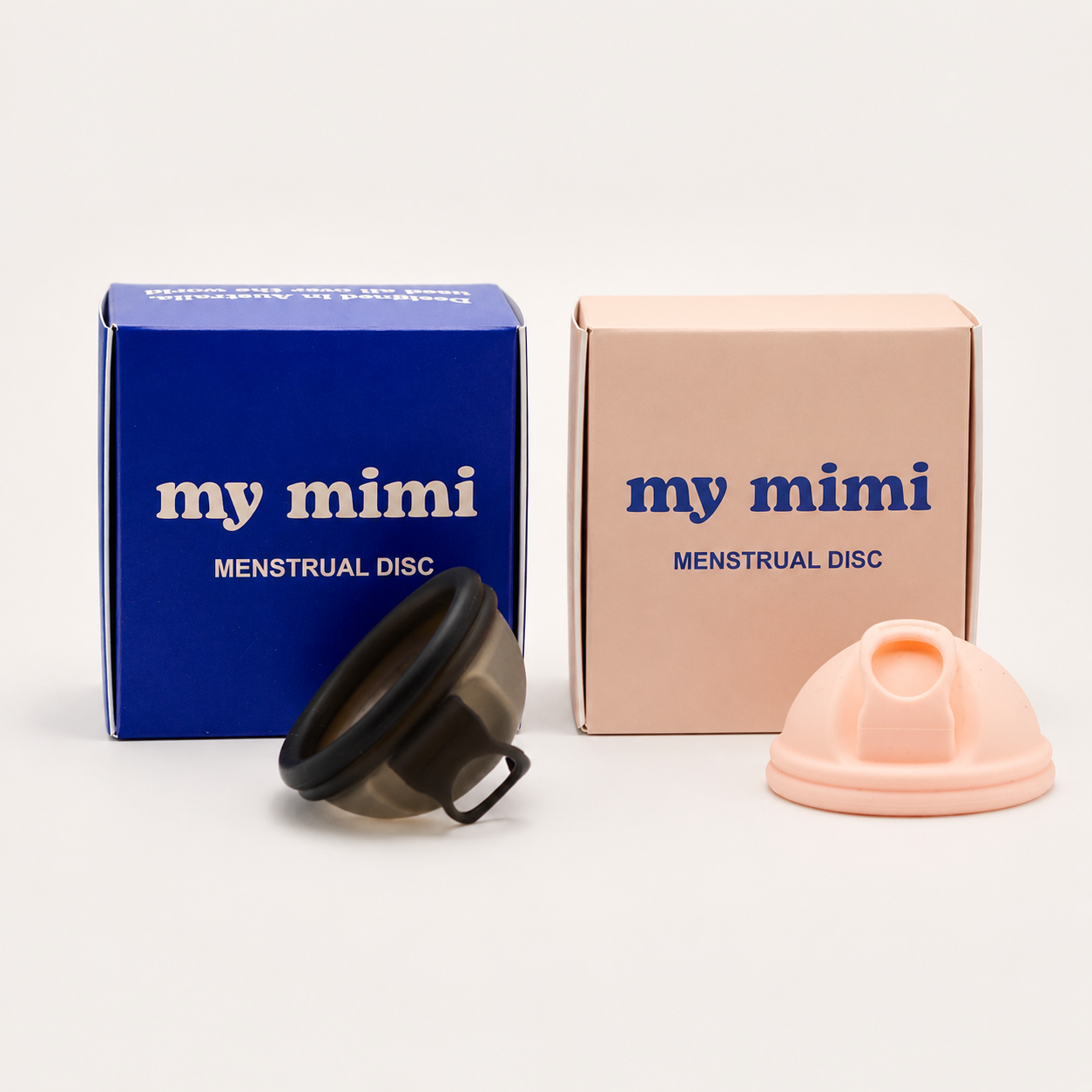

my mimi - reusable menstrual disc