

Can You Use a Menstrual Disc With Fibroids?
Date Created: 29 June 2026
Read Time: 7 minutes
If you have fibroids, you might be wondering whether a menstrual disc is still a safe and comfortable option for your period.
The short answer is: many people with fibroids can use a menstrual disc, but it depends on your body, your symptoms, and where your fibroids are located.
Fibroids are non-cancerous growths of the uterus. They can cause symptoms such as heavy or long periods, painful periods, bleeding between periods and pelvic pressure. Because symptoms can vary so much from person to person, menstrual disc comfort can also vary.

What Are Fibroids?
Fibroids, also called uterine fibroids, are growths that develop in or around the uterus. Some people have fibroids and never notice symptoms, while others experience heavier bleeding, longer periods, pain, pressure or changes to their cycle.
Fibroids can also differ in size and position. This matters because your menstrual disc does not sit inside the uterus. It sits in the vaginal fornix, at the base of the cervix, and is held in place behind the pubic bone.
Can You Wear a Menstrual Disc If You Have Fibroids?
In many cases, yes. Having fibroids does not automatically mean you cannot use a menstrual disc.
A my mimi menstrual disc sits differently to a tampon or menstrual cup. Instead of absorbing fluid inside the vaginal canal, it collects menstrual fluid while sitting higher in the body, beneath the cervix.
However, fibroids may sometimes affect comfort or fit. This is more likely if fibroids are large, causing pelvic pressure, changing the position of your cervix, or contributing to very heavy bleeding.
How Fibroids May Affect Menstrual Disc Use
1. Your flow may be heavier
Heavy menstrual bleeding is one of the more common symptoms associated with fibroids. A menstrual disc can be helpful for heavier flow because it has a higher capacity than many disposable products, but it still needs to be emptied based on your own flow.
If heavy flow is your main concern, you may also find this guide helpful: Menstrual Discs for Heavy Flow: What Actually Works?
2. Your cervix position may feel different
Some people with fibroids notice changes in pelvic pressure or cervical position. Because a menstrual disc sits near the cervix, this may affect how easily the disc tucks into place.
If you are unsure about your cervix height or fit, read: What Size Menstrual Disc Should I Get?
3. You may need to experiment with sizing
There is no single best size for everyone with fibroids. Some people may prefer a smaller disc if they have a lower cervix, sensitivity or pelvic pressure. Others may prefer a larger disc for higher capacity.
For more detail, visit: Menstrual Disc Sizes Explained: Small vs Large
4. Insertion may take a little practice
If fibroids are causing discomfort, bloating or pressure, inserting a disc may feel different on some days of your cycle. Take your time, use clean hands, relax your pelvic floor and avoid forcing the disc if it feels painful.
If you are new to discs, start here: How to Use a Menstrual Disc
Can a Menstrual Disc Make Fibroids Worse?
There is no evidence that using a menstrual disc causes fibroids to grow or makes fibroids worse.
Fibroids are related to the uterus and hormonal factors, while a menstrual disc is a period care product that sits in the vaginal fornix. A disc should not enter the uterus or push into the cervix when inserted correctly.
That said, if using any internal period product causes pain, pressure, unusual bleeding or discomfort, stop using it and speak with a healthcare professional.
Is a Menstrual Disc Better Than a Tampon If You Have Fibroids?
It depends on your symptoms and personal preference.
Some people with fibroids prefer menstrual discs because they collect rather than absorb, can be worn for up to 12 hours depending on flow, and may offer higher capacity than tampons. Others may prefer pads, period underwear, tampons or a combination of products during heavier days.
If your fibroids cause very heavy bleeding, you may need to empty your disc more often than someone with a lighter flow.
When Should You Speak With a Doctor?
Speak with your GP, gynaecologist or healthcare professional if you have:
- very heavy bleeding
- bleeding between periods
- severe or worsening pelvic pain
- dizziness, fatigue or symptoms of low iron
- pain when inserting or removing a menstrual disc
- persistent leaking even when the disc seems correctly placed
- new or sudden changes to your cycle
You should also seek personalised advice if you are waiting for fibroid treatment, recovering from surgery, using an IUD, or have been told your fibroids are changing the shape or position of your uterus.
Can You Use a Menstrual Disc With Fibroids and an IUD?
Some people use menstrual discs with an IUD, but it is worth speaking with your doctor first, especially if you also have fibroids. Fibroids can sometimes affect bleeding, cramping or uterine shape, so personalised guidance is important.
You may also like: Can You Use a Menstrual Disc With an IUD?
Tips for Trying a Menstrual Disc With Fibroids
- Start on a lighter day if you are nervous.
- Try inserting the disc when you are relaxed and not rushed.
- Use water-based lubricant if needed.
- Check that the front rim is tucked behind the pubic bone.
- Empty more often on heavy days.
- Stop using the disc if it causes pain.
The Bottom Line
Fibroids do not automatically rule out menstrual discs.
Many people with fibroids can use a menstrual disc comfortably, but your experience may depend on your flow, cervix position, pelvic pressure and the size or location of your fibroids.
If your symptoms are mild and you are comfortable using internal period products, a my mimi menstrual disc may be worth trying. If you have heavy bleeding, significant pain or known changes to your pelvic anatomy, speak with your healthcare professional first.
Health Notice: This article is for general educational purposes only and should not be considered medical advice. If you have fibroids, heavy bleeding, pelvic pain, an IUD, or concerns about using a menstrual disc, please speak with your GP, gynaecologist or qualified healthcare professional.
Featured collection
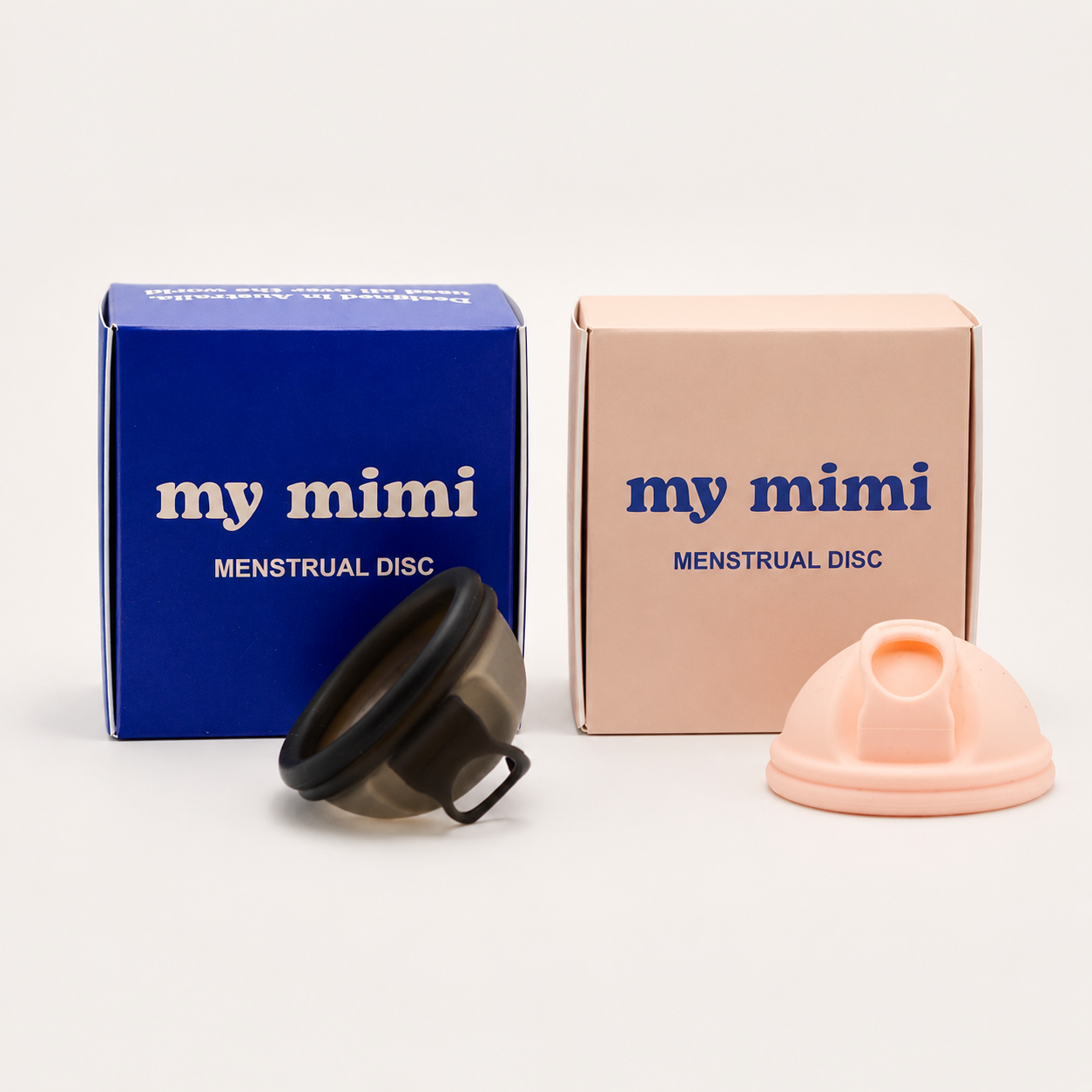

my mimi - reusable menstrual disc