

How Much Do Disposable Menstrual Products Really Cost in Australia?
Date created: 15 April 2025
For many Australians, managing a period is getting more expensive every year. Most people buy pads or tampons, without ever adding up what those products cost across a lifetime. When you look closely at the numbers, the long term expense is far higher than most expect and it places real pressure on households already dealing with rising living costs.
This article breaks down the monthly, yearly, and lifetime cost of disposable period products in Australia using current retail pricing and realistic usage patterns. It also explains why more people are choosing reusable options like the my mimi menstrual disc as a long term, cost saving option that still feels comfortable and reliable.
How Much Do Pads and Tampons Cost Each Month?
Most people use a mix of pads, tampons, and liners throughout their cycle. Based on average flow patterns, an Australian menstruator typically uses around 20 to 25 single use products per period.
Using supermarket pricing as a guide:
- Pads - roughly $5.50 to $9.50 per pack
- Tampons - roughly $5 to $8.50 per pack
- Liners - roughly $3 to $5 per pack
Depending on brand preference, absorbency and how often products are changed, the monthly cost usually sits somewhere between $15 and $20 per month. People with heavy periods, irregular cycles, or longer bleed times may easily spend more than this.
The Yearly Cost Adds Up Fast
Across a full year, that monthly spend turns into a substantial line in the household budget. At $15 to $20 per month, the average person spends:
- $180 to $240 per year on disposable menstrual products alone
This figure does not include pain relief, period underwear, overnight pads, laundry, or other extras like heat packs and liners for backup. Once those are included, the real yearly spend can easily push well beyond $300.
Lifetime Cost of Disposable Period Products
Most people menstruate for roughly 38 to 40 years. Using the same conservative assumptions above, that adds up to:
- $7,000 to $10,000 or more spent on disposable pads, tampons, and liners over a lifetime
That estimate assumes relatively steady pricing. In reality, inflation, brand loyalty, and unexpected price rises can push the total even higher. For families with multiple menstruating teens or adults in the same household, these costs multiply quickly.
Rising Prices and Access Barriers
While the so called tampon tax was removed in 2019, many shoppers have not felt much relief at the checkout. Retail prices continue to rise due to higher manufacturing costs, freight pressures and general supermarket price increases.
People living in rural or remote communities often face even higher costs. Some community reports describe packs of pads or tampons selling for $18 to $25, which places significant financial stress on families already managing high food and fuel prices.
These pressures are a key reason that period poverty - the struggle to afford basic menstrual products - remains a real issue in Australia.
Why Reusable Period Care Is Getting More Popular
Reusable products offer another way to manage periods that can reduce both waste and cost. A high quality, well cared for menstrual disc or cup can replace thousands of disposable items over its lifespan.
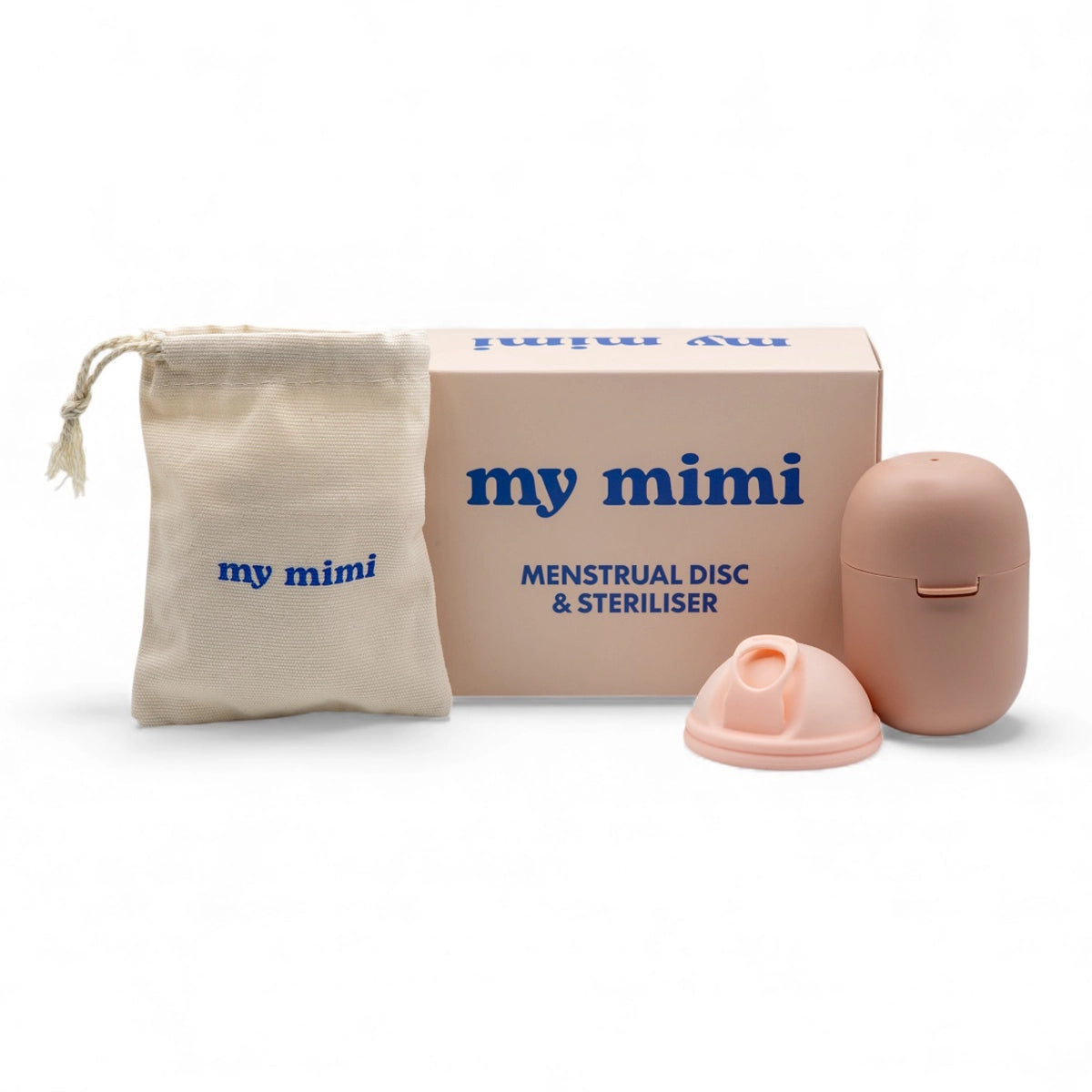
The my mimi menstrual disc is designed as a long wear, reusable option that can last for up to five years with proper care. At a retail price of $44.95, that works out to roughly 83 cents per month across its life. Over the same five year period, a person using only disposables could easily spend more than $900.
If you are curious about how discs actually work, you can read our explainer how do menstrual discs work, which covers placement, wear time, and tips for getting used to a disc.
For a broader overview of what a disc is and how it differs from pads and tampons, see our guide what is a menstrual disc. It explains why discs collect rather than absorb fluid and why many people find them more comfortable than traditional options.
Comfort, Design and Long Term Value
The my mimi menstrual disc is made from soft, 100 percent medical grade silicone and includes a loop tab to make removal simpler and less stressful. It is available in two sizes so users can choose a fit that suits their body and flow pattern.
If you are unsure which size might be right for you, our detailed size guide what size menstrual disc should I get walks through age, birth history, cervix height and comfort considerations so you can make a confident choice.
Each disc is TGA compliant and FDA registered, and the brand has been recognised as Best Sustainable Period Care Solution in Australia 2025. Thousands of customers across Australia and overseas now use my mimi as their main period care option, replacing years of pads and tampons with a single, reusable product.
Cost Comparison - Disposables Versus a Reusable Disc
Five Year Cost Snapshot
- Disposable pads and tampons - approximately $900 or more over five years for one person
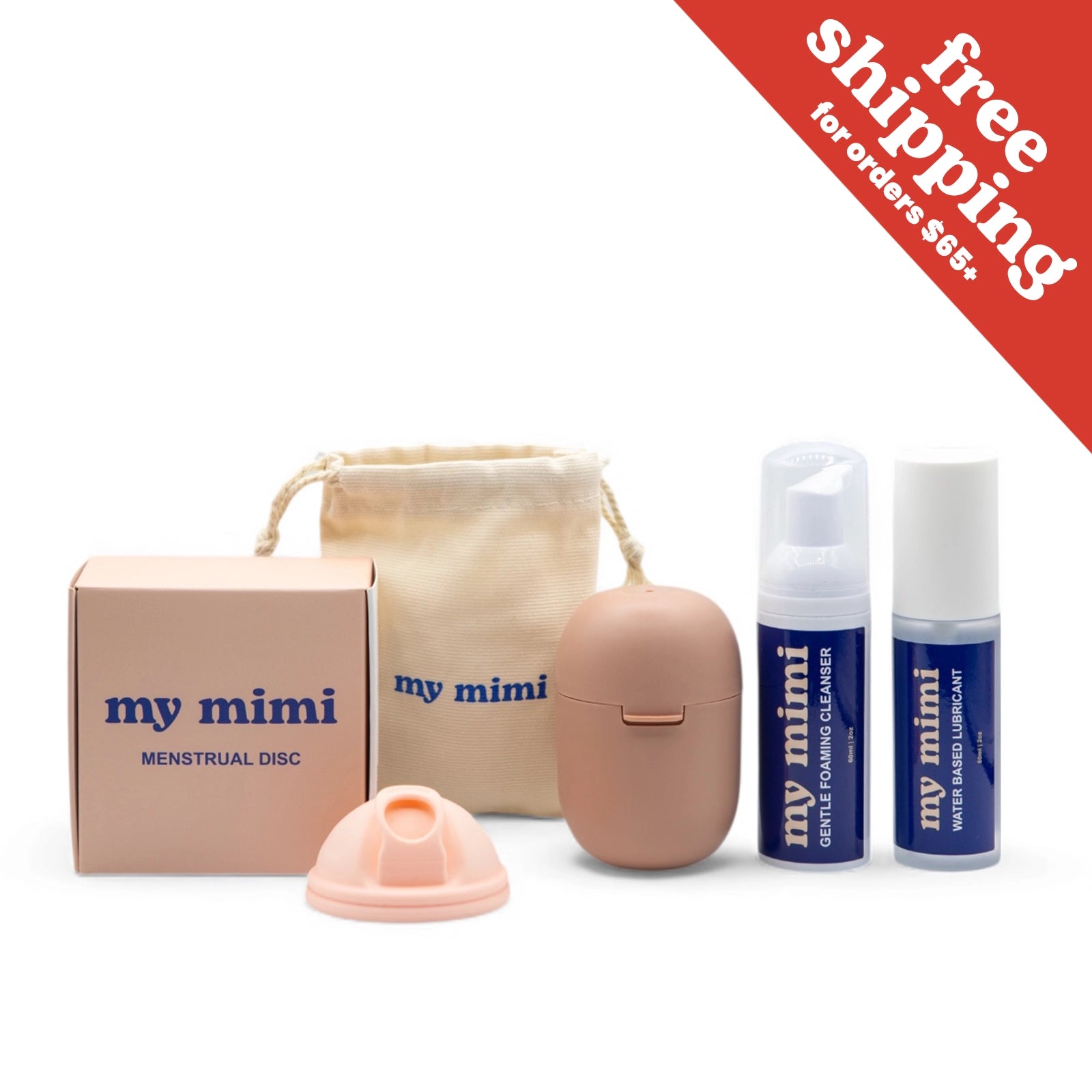
- One my mimi menstrual disc - $44.95 over the same period, plus a small amount for gentle cleanser or cleaning tablets if preferred
Even if someone chooses to buy a second disc or a bundle for added convenience, the cost remains far lower than buying disposables month after month. Our main product page, my mimi menstrual disc, outlines features, sizing and reviews for those comparing options side by side.
Beyond the financial savings, there is the environmental impact to consider. Over five years, one reusable disc can replace roughly 2,500 to 3,000 single use products. That means fewer pads and tampons in landfill and less plastic waste created during manufacturing and packaging.
Is a Reusable Disc Right for Everyone?
Every body is different, so no single product will suit absolutely everyone. Some people prefer the familiarity of pads, others like the feel of tampons, and many now use a mix of period underwear and a disc or cup for backup.
When deciding whether to switch to a disc, think about:
- Your flow pattern and how long you like to go between changes
- Whether you are comfortable with internal products
- How active you are during your period - for example swimming, sport, or long shifts at work
- Your budget, and whether an upfront investment that saves money over time feels manageable
If you decide to try a disc, resources like our beginner friendly hub menstrual disc - your guide to better period care and detailed how to content can help make the first few cycles much easier.
In Summary
Disposable menstrual products have been the default for decades, but they come with a steep price tag across a lifetime. For many Australians, that ongoing expense is starting to feel unsustainable, especially as living costs rise in almost every area.
Reusable options like the my mimi menstrual disc give people another way to manage their period that can cut costs, reduce waste and still feel soft and comfortable to wear. By switching even part of your routine from disposables to reusables, you may notice a difference in both your budget and your peace of mind.
To explore the full range of discs and care products, visit our collection of reusable menstrual discs and see which option fits your lifestyle.
Health Notice: This article is for information purposes only. It is not a substitute for medical advice. If you are experiencing symptoms of anxiety, depression or other mental health concerns, consult a qualified health professional.
Featured collection
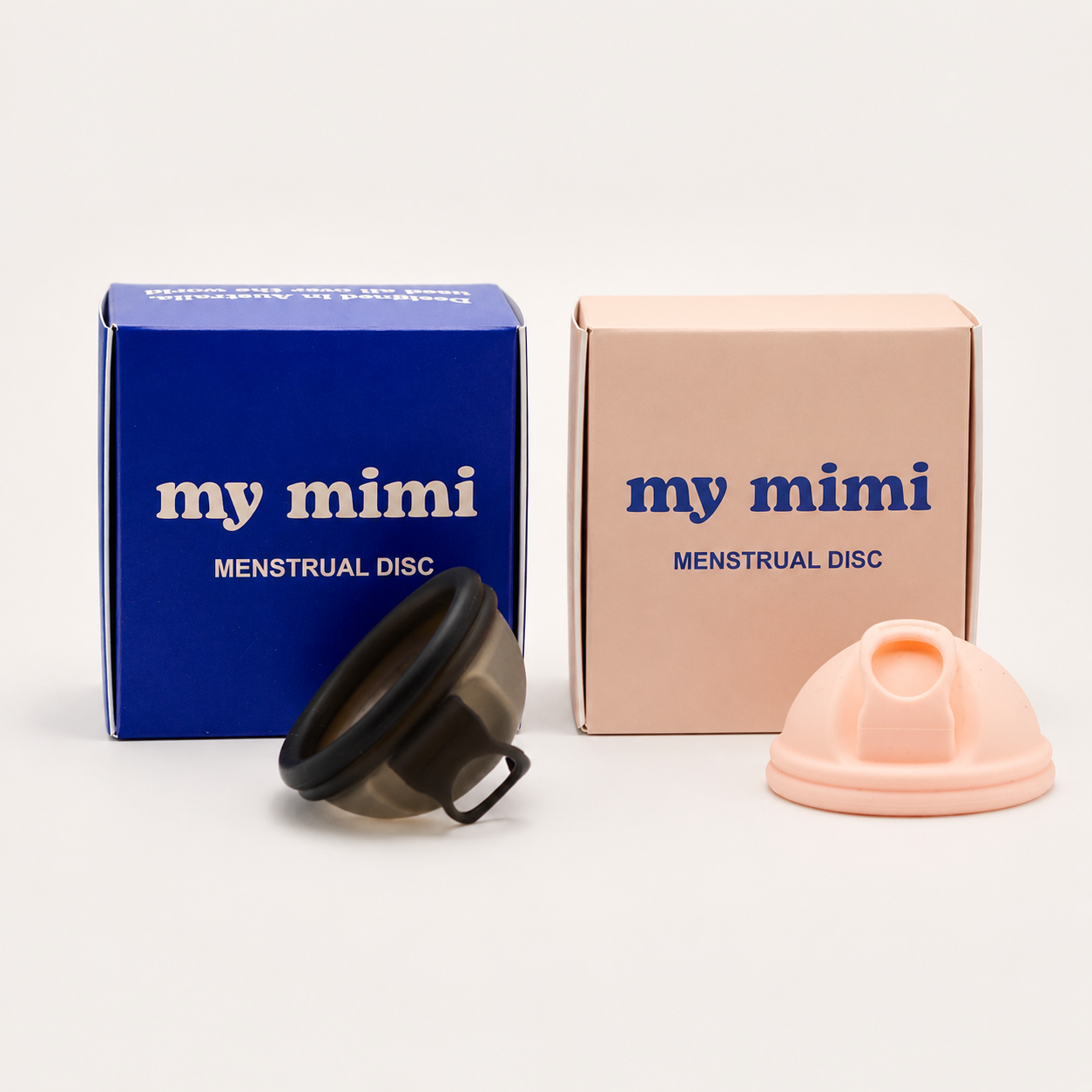

my mimi - reusable menstrual disc