

How Much Do Period Products Cost in Australia Over 10 Years?
Date Created: 30 June 2026
Read Time: 8 minutes
Period products may seem like a small monthly expense, but over time the cost can add up quickly.
In Australia, people who menstruate often spend around $15 to $20 per month on disposable period products such as pads, tampons and liners. That may not sound like much at first, but over 10 years it can become a major recurring cost.
So, how much do period products cost in Australia over 10 years?
period cost calculator
How Much Do Period Products Cost in Australia Over 10 Years?
Estimate your monthly spend on disposable pads or tampons, then compare it with a reusable my mimi menstrual disc at $44.95 over 5 years.
Change this to match the brand you buy.
Estimated monthly disposable cost
$0.00
Disposable cost over 5 years
$0.00
my mimi disc over 5 years
$44.95
Possible 5 year saving
$0.00
Disposable cost over 10 years
$0.00
Estimate only. Calculations assume one period per month. A my mimi menstrual disc is compared at $44.95 for 5 years of use.
All cost estimates in this article are based on publicly available Australian supermarket pricing, published research and government information current at the time of writing.
Depending on the products you use, your flow, how often you change products and whether you buy branded or budget options, disposable period products could cost approximately $1,200 to $2,400 over 10 years.
For some people, especially those with heavier flows or limited access to cheaper supermarket products, the cost may be even higher.
Quick Answer: 10-Year Period Product Cost in Australia
| Monthly Spend | Yearly Cost | 10-Year Cost |
|---|---|---|
| $10 per month | $120 | $1,200 |
| $15 per month | $180 | $1,800 |
| $20 per month | $240 | $2,400 |
| $25 per month | $300 | $3,000 |
For many Australians, a realistic 10-year cost sits somewhere between $1,200 and $2,400. This estimate is based on regular monthly use of disposable pads, tampons or liners.
That does not include related period costs such as pain relief, heat packs, extra underwear, laundry, replacement bedding or time off work or school.
How Much Do Australians Spend on Period Products Each Month?
Monthly period product costs vary from person to person.
Some people may spend less than $10 per period if they use budget supermarket brands and have a lighter flow. Others may spend $20 or more per month if they use branded pads, tampons, liners or multiple product types across their cycle.
A typical monthly spend may include:
- one to two packs of pads
- one box of tampons
- panty liners for lighter days
- overnight pads for heavier flow
- a mix of products depending on the day of the cycle
For many people, this becomes a fixed monthly cost from their first period through to menopause.
How Many Period Products Do You Use Per Cycle?
A typical period lasts around four to six days, although this can vary.
Depending on flow, product absorbency and personal preference, someone may use around 20 to 25 disposable period products per cycle.
That could look like:
- 4 to 6 products per day
- 20 to 25 pads, tampons or liners per period
- approximately 240 to 300 disposable products per year
- approximately 2,400 to 3,000 disposable products over 10 years
People with heavier flows may use more. People with lighter periods may use fewer. But even moderate product use can add up over time.
Disposable Period Product Cost Over 10 Years
Here is a simple example based on an average spend of $15 to $20 per month.
| Time Period | At $15 Per Month | At $20 Per Month |
|---|---|---|
| 1 month | $15 | $20 |
| 1 year | $180 | $240 |
| 5 years | $900 | $1,200 |
| 10 years | $1,800 | $2,400 |
This is why reusable period care is becoming more popular in Australia. While disposable products may feel cheaper at the checkout, the long-term cost can be much higher.
Brand-Name vs Store-Brand Period Products
The cost of period products can change significantly depending on whether you buy brand-name or store-brand options.
| Product Type | Brand-Name Price | Store-Brand Price |
|---|---|---|
| Pads | Approx. $5 to $7 per pack | Approx. $2 to $3 per pack |
| Tampons | Approx. $5 to $8 per box | Approx. $2 to $4 per box |
| Panty liners | Approx. $4 to $6 per pack | Approx. $1 to $2 per pack |
Store-brand products can help reduce the monthly cost, but not everyone chooses period products based on price alone.
Comfort, absorbency, irritation, availability, packaging size and trust in the product can all influence what someone buys.
For people with sensitive skin, heavier flows or specific product preferences, the cheapest option may not always feel like the best option.
What About the Tampon Tax?
Australia removed GST from menstrual products on 1 January 2019. This means pads, tampons, liners, menstrual cups and similar products are GST-free.
This was an important step in recognising period products as essential health items rather than luxury goods.
However, removing GST did not remove the ongoing cost of menstruation. Even without GST, disposable pads and tampons remain a recurring expense every cycle.
Period Poverty in Australia
Period poverty is when someone cannot afford, access or safely use the period products they need.
This can affect school, work, sport, confidence, hygiene and overall wellbeing.
Cost-of-living pressure has made this issue more visible in Australia. Some people report stretching products for longer than recommended, using improvised alternatives or going without other essentials so they can buy period products.
This is why free period product programs in schools, public spaces and community services are so important.
Free Period Products in Schools and Public Spaces
Across Australia, many schools now provide free pads and tampons to students.
Victoria was one of the first states to roll out free products in government schools, and other states and territories have since introduced similar initiatives.
Victoria has also expanded access beyond schools, with free pad and tampon vending machines being installed in public places such as hospitals, TAFEs, courts, libraries, staffed train stations and major cultural institutions.
These programs help reduce the immediate cost of period care, especially for students, low-income households and people who may be caught without products when they need them.
Remote and Regional Cost Differences
Period product costs can be much higher in remote and regional communities.
In major cities, shoppers may have access to supermarket specials, bulk packs and cheaper store-brand products. In remote areas, there may be fewer retailers, higher freight costs and limited product choice.
This can make period care significantly more expensive for people living outside major metropolitan areas.
For someone who needs one to two packs of products per period, even small price increases can become a serious financial burden over time.
The Hidden Cost of Disposable Period Products
The cost of disposable period products is not only financial.
Disposable pads, tampons and liners also create ongoing waste. Most are used once and then thrown away.
Over 10 years, someone may use thousands of disposable period products. Over a lifetime, that number can be much higher.
This is one of the reasons many Australians are switching to reusable period products such as menstrual discs, menstrual cups, reusable pads and period underwear.
How Much Could a Reusable Menstrual Disc Save?
A reusable menstrual disc has a higher upfront cost than a packet of pads or tampons, but it can be reused for years with proper care.
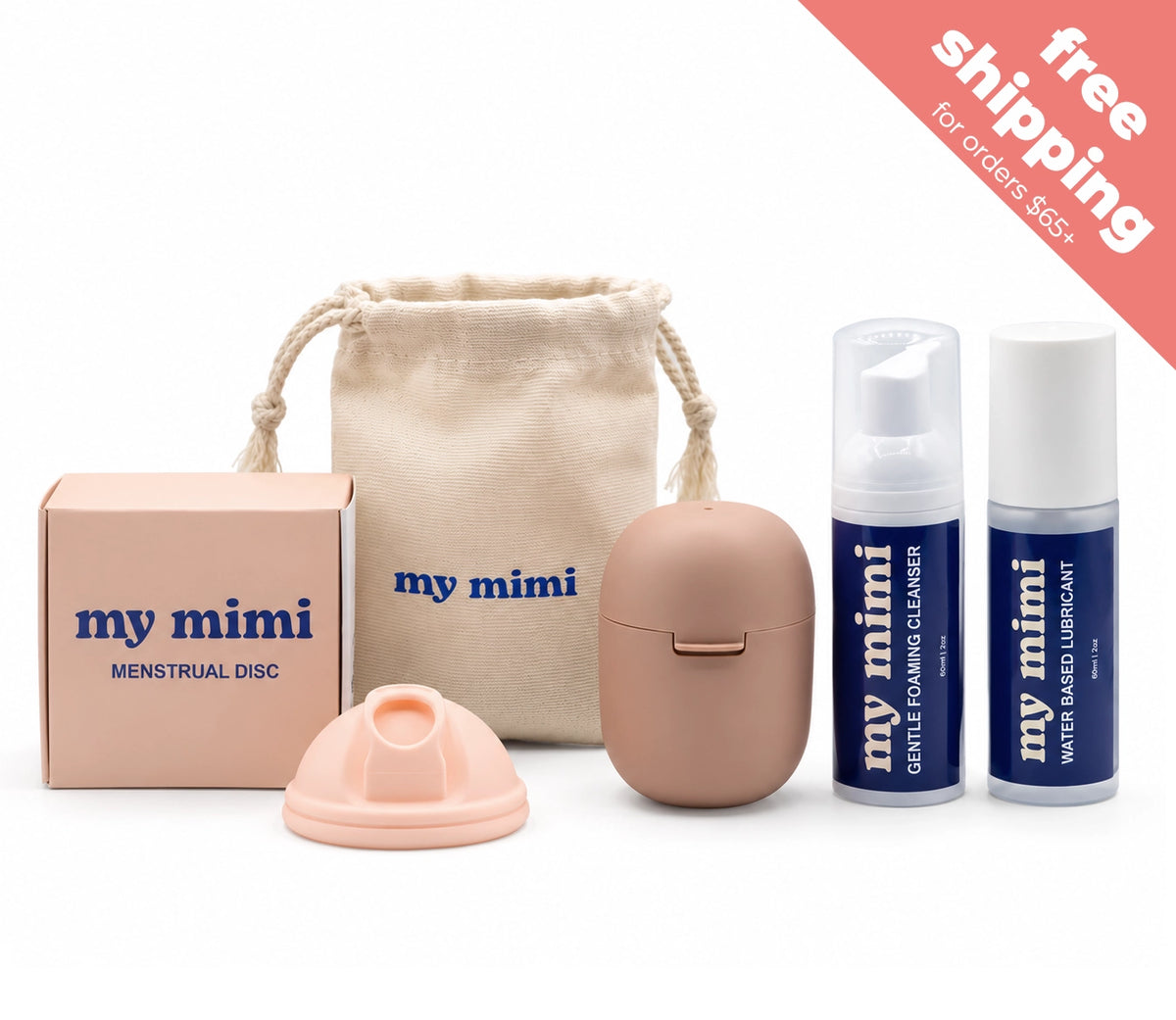
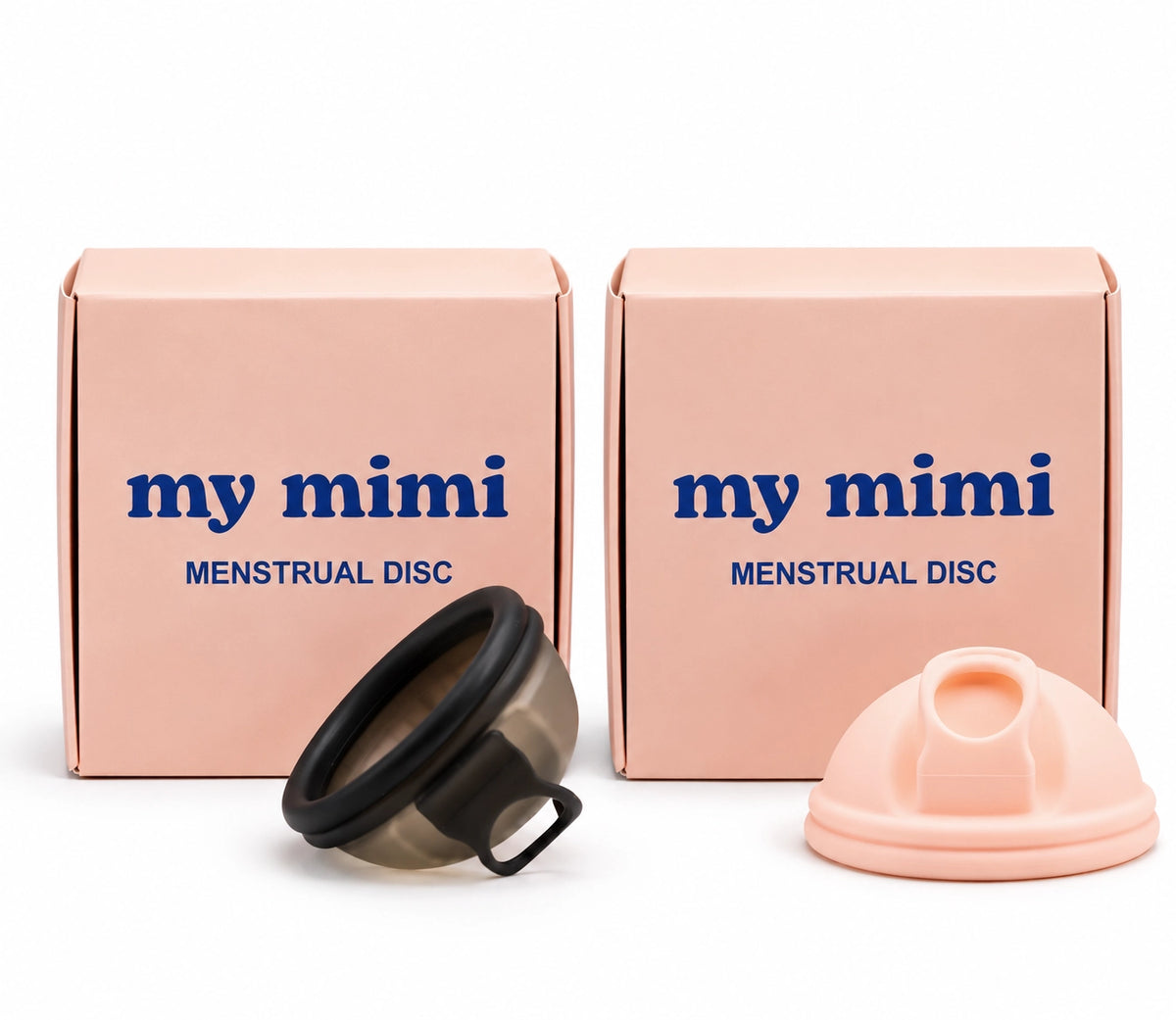
A my mimi menstrual disc can be reused for up to five years.
That means over 10 years, you may only need two discs.
| Period Care Option | Estimated 10-Year Cost |
|---|---|
| Disposable products at $15 per month | $1,800 |
| Disposable products at $20 per month | $2,400 |
| Two my mimi menstrual discs over 10 years | Approx. $89.90 |
Based on these estimates, switching to a reusable menstrual disc could save approximately $1,700 to $2,300 over 10 years, depending on how much you currently spend on disposable products.
This does not include optional extras such as cleanser, sterilising tablets or storage accessories, but it shows the potential long-term saving.
Cost Per Month: Disposable Products vs my mimi
When you break the cost down monthly, the difference becomes clearer.
| Product | Approx. Cost | Cost Over Time |
|---|---|---|
| Disposable pads or tampons | $15 to $20 per month | $1,800 to $2,400 over 10 years |
| my mimi menstrual disc | $44.95 | Approx. 75c per month over 5 years |
At $44.95 and up to five years of use, a my mimi disc works out to approximately 75 cents per month over its lifespan.
For people looking to reduce the long-term cost of period care, this can be a major benefit.
Why More Australians Are Considering Reusable Period Products
Reusable period products are becoming more popular because they can help with three major concerns:
- reducing long-term period costs
- reducing disposable period waste
- offering longer wear time and convenience
Menstrual discs can usually be worn for up to 12 hours, depending on flow. They collect menstrual fluid rather than absorbing it and sit higher in the vaginal fornix.
For many people, this makes them a practical option for work, school, sport, travel, sleep and everyday life.
If you are new to menstrual discs, you can read our guide on how to insert a menstrual disc.
Is a Menstrual Disc Cheaper Than Pads and Tampons?
Over time, yes.
A menstrual disc costs more upfront than a single box of tampons or packet of pads, but it can be reused for years.
If you currently spend $15 to $20 per month on disposable products, you may spend between $900 and $1,200 over five years.
By comparison, one my mimi menstrual disc costs $44.95 and can be reused for up to five years with proper care.
This makes reusable period care one of the most cost-effective options over the long term.
Who Might Save the Most by Switching?
You may save more by switching to a reusable menstrual disc if you:
- have a regular monthly period
- use pads or tampons every cycle
- buy branded products
- have a heavier flow
- use overnight pads or liners
- live in an area where products are more expensive
- want to reduce disposable waste
- want a longer-term period care solution
The more you currently spend on disposable period products, the greater your potential saving over time.
What About Period Underwear?
Period underwear is another reusable option, and many people love it.
However, it usually requires multiple pairs to get through a cycle, especially if you have a moderate or heavy flow.
A menstrual disc may be more cost-effective for people who want one reusable product that can be worn for up to 12 hours and emptied throughout the day.
Some people use a menstrual disc as their main product and period underwear as backup protection.
How to Choose the Right my mimi Size
my mimi comes in two sizes: Small and Large.
The Small is 61 mm in diameter and holds up to 32 mL. It may suit beginners, people under 30, those who have not given birth vaginally, people with a lower cervix or those with a lighter to moderate flow.
The Large is 68 mm in diameter and holds up to 61 mL. It may suit heavier flows, people over 30, those who have given birth vaginally, people with a higher cervix or anyone wanting maximum capacity.
For more help choosing your size, visit the my mimi menstrual disc size guide.
How Much Do Period Products Cost Over a Lifetime?
Over a lifetime, disposable period product costs can add up to thousands of dollars.
If someone menstruates for around 35 to 40 years and spends $15 to $20 per month, the total could sit somewhere between approximately $6,300 and $9,600.
For people who spend more each month, the total may be even higher.
This is why the long-term cost of menstruation matters. Period products are not optional. They are essential health items used repeatedly for decades.
Final Answer: What Is the 10-Year Cost?
In Australia, disposable period products may cost approximately $1,800 to $2,400 over 10 years for someone spending $15 to $20 per month.
For people with heavier flows, brand preferences or higher local prices, the cost may be closer to $3,000 or more over the same period.
By comparison, a reusable my mimi menstrual disc costs $44.95 and can be reused for up to five years. Over 10 years, two discs may cost approximately $89.90.
That means switching to a reusable menstrual disc could save hundreds or even thousands of dollars over time.
Frequently Asked Questions
How much do period products cost per month in Australia?
Many Australians who menstruate spend around $15 to $20 per month on disposable period products, although this can vary depending on flow, product type, brand and location.
How much do period products cost over 10 years?
If you spend $15 to $20 per month, disposable period products may cost approximately $1,800 to $2,400 over 10 years.
How much do pads and tampons cost per year?
At $15 to $20 per month, pads, tampons and liners may cost around $180 to $240 per year.
Are reusable period products cheaper?
Reusable period products usually cost more upfront but can be cheaper over time. A my mimi menstrual disc costs $44.95 and can be reused for up to five years with proper care.
How much does my mimi cost per month?
At $44.95 and up to five years of use, a my mimi menstrual disc works out to approximately 75 cents per month over its lifespan.
Can a menstrual disc replace pads and tampons?
For many people, yes. A menstrual disc can be used as a reusable alternative to pads and tampons. Some people still choose to use backup protection while learning or on heavier days.
How long can my mimi be worn?
my mimi can be worn for up to 12 hours, depending on your flow.
How long does a my mimi disc last?
With proper care, a my mimi menstrual disc can be reused for up to five years.
Are period products GST-free in Australia?
Yes. Menstrual products have been GST-free in Australia since 1 January 2019.
Why are period products still expensive if GST was removed?
Removing GST reduced the tax on menstrual products, but it did not remove the base cost of manufacturing, distribution, retail markups or inflation. Disposable period products remain a recurring monthly expense.
Health Notice
This article is intended for general educational purposes only and should not be considered medical advice. Period needs vary from person to person depending on flow, cycle length, anatomy, health conditions and personal comfort. If you experience unusually heavy bleeding, severe pain, bleeding between periods or sudden changes to your cycle, speak with a qualified healthcare professional.
Featured collection

my mimi - reusable menstrual disc