

Menstrual Disc Ingredients: What Should and Shouldn’t Be in Your Period Product
Date Updated: 23 June 2026
Read Time: 6 minutes
When choosing a menstrual disc, most people focus on size, comfort and leak protection. However, one of the most important factors is often overlooked: what the product is actually made from.
Because menstrual discs are worn internally and come into direct contact with sensitive body tissue, the materials used matter.
Understanding which ingredients and materials belong in a menstrual disc—and which ones don't - can help you make a more informed decision about your period care.
Why menstrual disc materials matter
Unlike disposable pads and tampons, a menstrual disc may be worn for up to 12 hours at a time and reused for years.
This means the material needs to be:
- Safe for prolonged internal contact
- Comfortable and flexible
- Durable enough for repeated use
- Easy to clean and sterilise
- Resistant to degradation over time
The quality of the material can directly affect comfort, performance and long-term reliability.
What should be in a menstrual disc?
100% Medical-Grade Silicone
The gold standard for reusable menstrual discs is 100% medical-grade silicone.
Medical-grade silicone is commonly used in healthcare applications because it is:
- Biocompatible
- Flexible and comfortable
- Durable
- Non-porous
- Suitable for long-term contact with the body
It is widely regarded as one of the safest and most reliable materials for reusable menstrual products.
A Stable, Non-Porous Material
High-quality menstrual discs should be made from materials that do not readily absorb fluids, odours or bacteria when cleaned according to the manufacturer's instructions.
Non-porous materials are generally easier to clean and maintain throughout the life of the product.
Materials Suitable for Medical Use
Products intended for internal use should be manufactured from materials that are specifically designed and tested for contact with the human body.
This is one reason reputable menstrual disc brands are transparent about the materials they use.
What shouldn't be in a menstrual disc?
BPA (Bisphenol A)
BPA is an industrial chemical used in some plastics.
Most reputable menstrual disc brands specifically manufacture their products to be BPA-free.
When comparing products, BPA-free materials are generally considered preferable for reusable intimate care products.
Latex
Latex can trigger allergic reactions in some individuals.
Many menstrual disc users actively seek latex-free products to avoid potential sensitivities.
Medical-grade silicone menstrual discs are typically latex-free.
Fragrances
A menstrual disc should not contain perfumes or fragrances.
Fragrances serve no functional purpose in a reusable menstrual disc and may increase the risk of irritation for some users.
If a period product relies on fragrance to mask odours, it may be worth considering why.
Dyes and Colourants of Unknown Origin
If colourants are used, consumers should be able to identify that the materials are appropriate for medical or body-safe applications.
Reputable brands are transparent about their manufacturing standards and material quality.
Harsh Chemical Treatments
A menstrual disc should not require chemical coatings, absorbent treatments or additives to perform its intended function.
Unlike tampons, menstrual discs collect menstrual fluid rather than absorb it.
This means the product itself can remain simple in design and material composition.
What about toxins?
Many people ask whether menstrual discs contain toxins.
The answer depends entirely on the materials used by the manufacturer.
High-quality menstrual discs made from medical-grade silicone are designed to provide a simple, body-safe alternative to disposable period products.
This is why transparency around materials and manufacturing standards is important when evaluating period care products.
How can you tell if a menstrual disc uses quality materials?
Look for brands that clearly disclose:
- The material used
- Whether it is medical-grade silicone
- BPA-free status
- Latex-free status
- Regulatory compliance information
- Product safety information
If a brand does not clearly explain what its product is made from, consumers may find it more difficult to assess quality and safety.
Why reusable menstrual discs have fewer ingredients than many disposable products
One of the benefits of reusable menstrual discs is their simplicity.
Unlike some disposable period products, a menstrual disc does not require:
- Absorbent gels
- Fragrance additives
- Chemical odour masking agents
- Plastic applicators
- Synthetic absorbent cores
A high-quality menstrual disc is typically made from a single primary material: medical-grade silicone.
This simplicity is one reason many women choose reusable period care products.
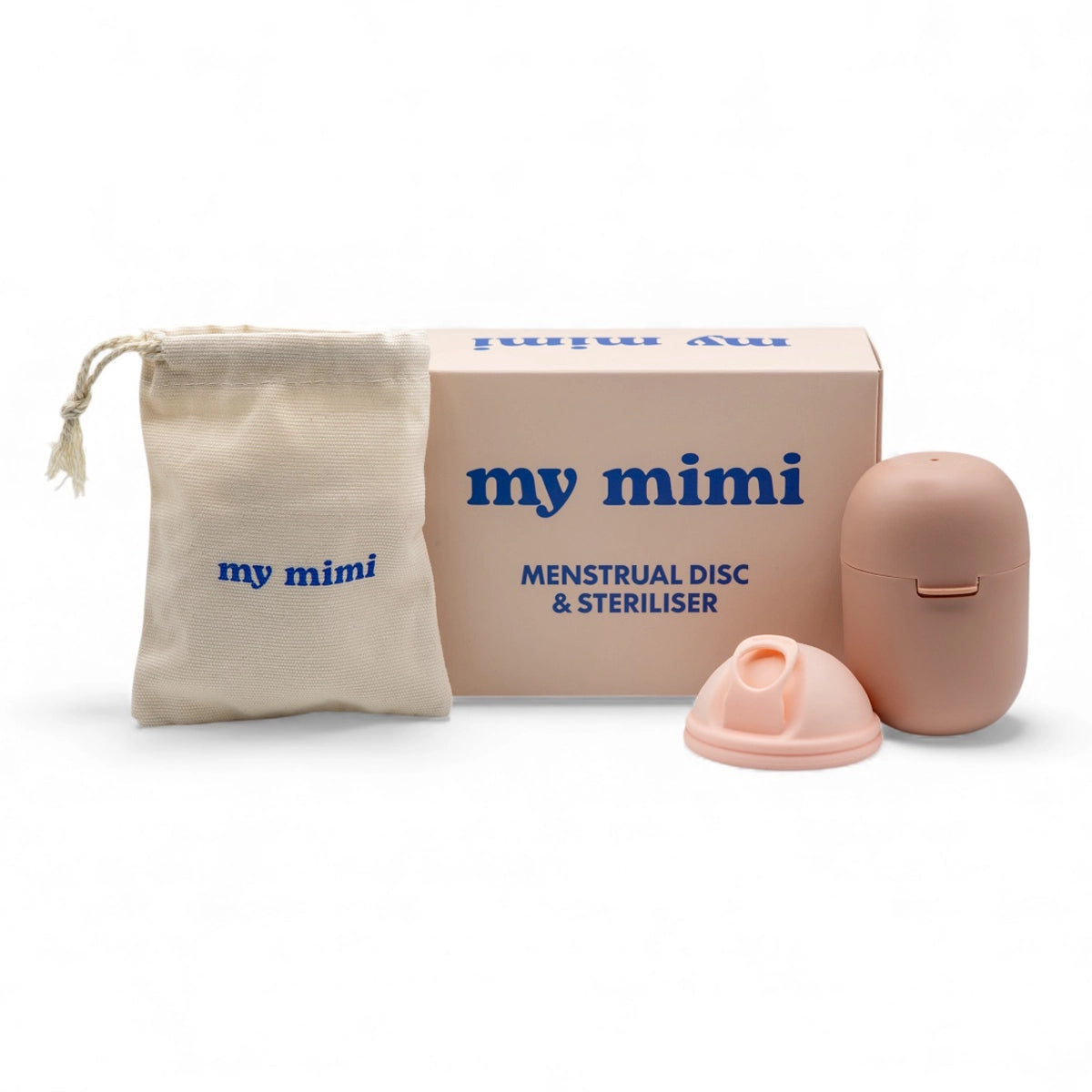
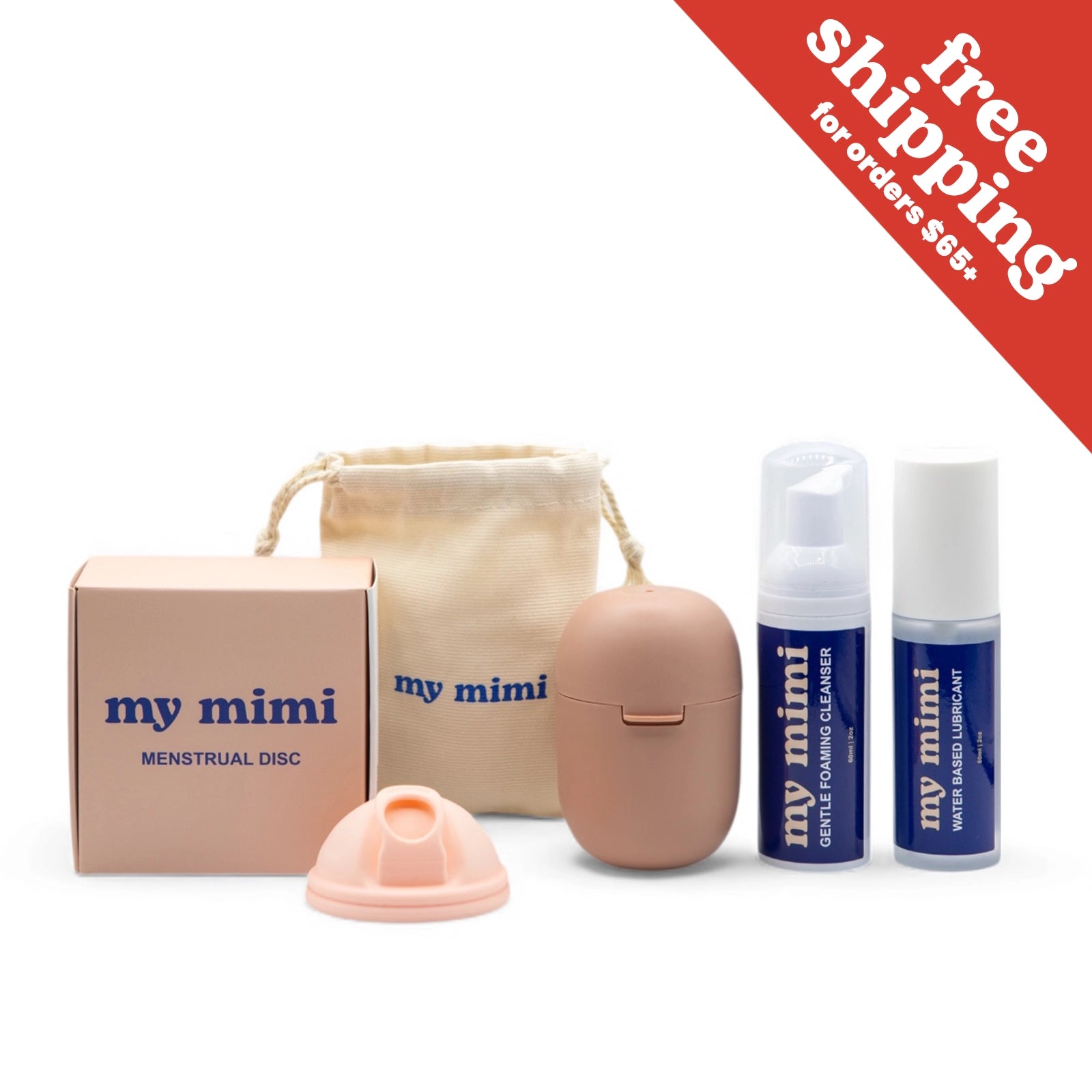
my mimi menstrual disc materials
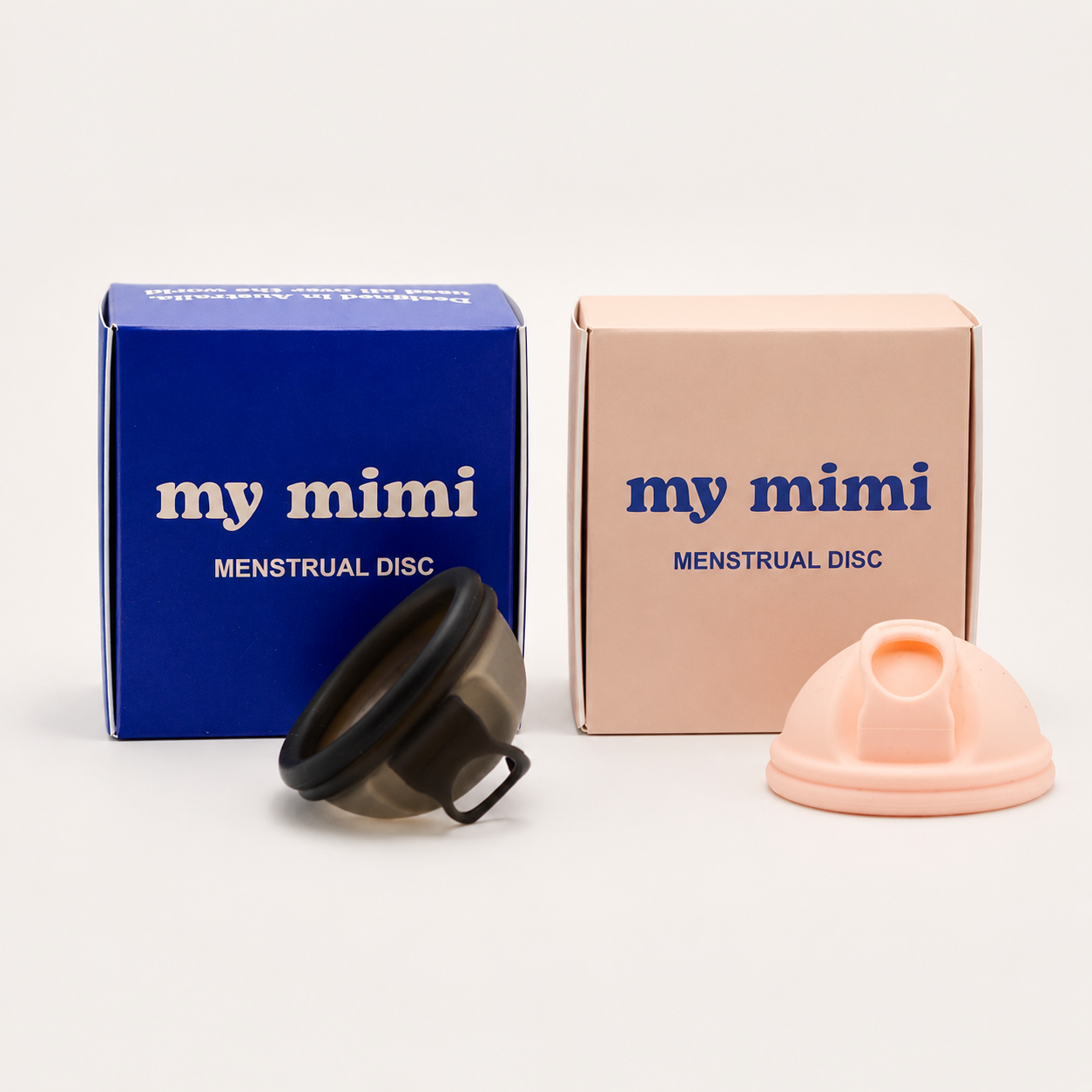
The my mimi menstrual disc is manufactured from 100% medical-grade silicone and is designed for comfort, durability and long-term use.
Every my mimi menstrual disc is:
- Made from 100% medical-grade silicone
- BPA-free
- Latex-free
- TGA-compliant
- FDA-registered
- Designed for up to 12 hours of wear
- Reusable for up to 5 years with proper care
Our focus is on providing a reusable period care option built around high-quality materials, transparent product information and reliable performance.
The bottom line
When it comes to menstrual discs, simpler is often better.
Look for products made from 100% medical-grade silicone and avoid products that contain unnecessary additives, fragrances or materials that are not clearly disclosed.
Understanding what should - and shouldn't - be in your period product can help you choose a menstrual disc with greater confidence.
Health Notice: This article is intended for general educational purposes only and should not be considered medical advice. If you experience pain, irritation, unusual symptoms or have concerns about using a menstrual disc, consult your doctor or qualified healthcare professional.
Featured collection

my mimi - reusable menstrual disc