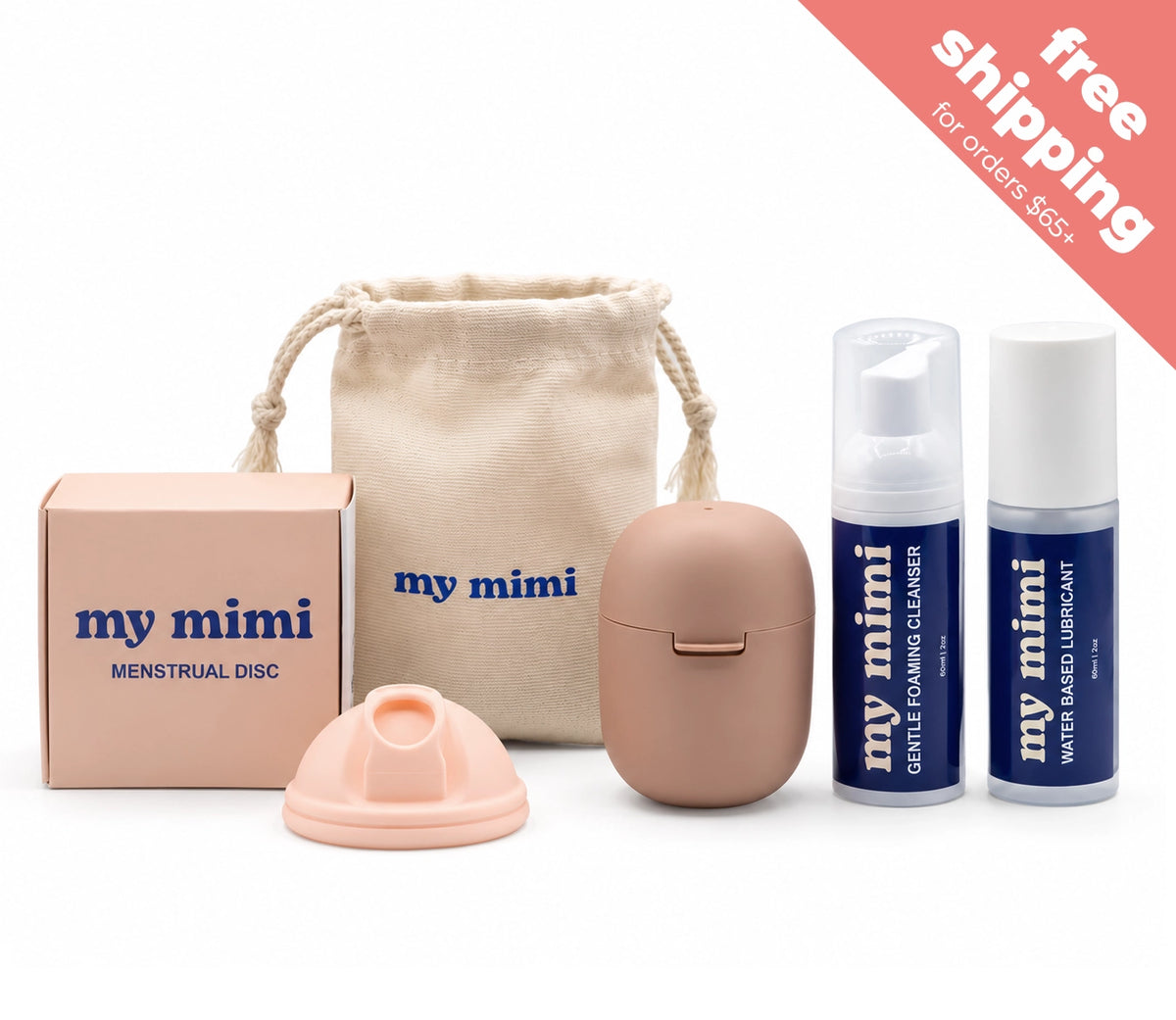


Are women’s health terms being hidden on social media?
Date Updated: 4th of June 2026
Read Time: 4 minutes
Words like period, menopause, miscarriage, breastfeeding, vagina and menstrual health should not be controversial. They are normal health terms. They describe real bodies, real experiences and real questions people search for every day.
Yet recent reporting has raised concerns that women’s health content may be restricted, reduced in reach or made harder to find on social media platforms. This matters because many people now use social media to learn about their bodies, ask questions privately and find support when they are unsure where else to turn.
For period care brands, health educators, charities, doctors, creators and everyday people, this creates a serious problem. If the words needed to explain menstrual health are treated as inappropriate, the conversation becomes harder to have.

What does shadow banning mean?
Shadow banning usually refers to content being limited without the creator being clearly told. A post may still exist, but fewer people see it. It may not appear in search, hashtags or recommendations. Engagement can drop sharply, even when the content is factual, educational and safe.
In women’s health, this can mean helpful posts about periods, menstrual discs, tampons, breastfeeding, menopause, endometriosis, PCOS, miscarriage or cervical health may not reach the people looking for them.
Why this is a problem for menstrual health education
Menstrual health already carries stigma. Many people grow up feeling embarrassed to talk about periods, leaking, pain, blood, discharge, anatomy or reusable period products. If social media also makes those words harder to use, the stigma continues.
People should be able to search for simple, direct answers such as:
- What is a menstrual disc?
- How do I insert a menstrual disc?
- Why is my period so heavy?
- Can I swim on my period?
- Is period pain normal?
- How do I choose the right menstrual disc size?
These are not adult or inappropriate questions. They are health questions. Hiding or reducing access to this information can make people feel more alone, less informed and less confident about their own bodies.
The problem with using coded language
Some creators and brands avoid direct words to protect their reach. They may write “that time of the month”, use emojis instead of the word period, or spell health terms with symbols to avoid filters.
That may help a post get through, but it also creates new problems. Coded language can make content less accessible, especially for people using search tools, screen readers or translation features. It can also make serious health topics sound vague or shameful.
Clear language matters. Periods are periods. A menstrual disc is a menstrual disc. A vagina is a body part. Menopause, miscarriage, breastfeeding, endometriosis and PCOS are health topics, not words that should be hidden.
Why open period conversations matter
Period education helps people understand what is normal, what may need medical advice and what product options are available. It also helps reduce embarrassment around common issues like leaking, heavy flow, odour, insertion difficulty and overnight protection.
For reusable products such as the my mimi menstrual disc, education is especially important. Many people are still learning how menstrual discs work, how they sit in the body and how to choose between sizes.
If those topics are harder to discuss online, people may miss out on information that could help them make a more confident choice.
Menstrual discs need clear education, not silence
A menstrual disc is different from a tampon or a menstrual cup. It sits higher in the vaginal fornix, collects rather than absorbs menstrual fluid and can be worn for up to 12 hours depending on flow.
Because the product works differently, clear instructions are important. People need practical answers about insertion, removal, fit, leaking, cleaning and sizing. That is why resources such as how to use a menstrual disc, choosing the right menstrual disc size and why a menstrual disc may leak are so important.
People should not have to guess. They should not have to rely on hidden comments, coded posts or unclear advice. Good menstrual health education should be easy to find.
What platforms should do better
Social media platforms have a responsibility to keep users safe, but safety should not mean treating medical and anatomical words as inappropriate by default.
Educational women’s health content should be assessed in context. A post explaining periods, menstrual discs, menopause, breastfeeding or reproductive health is not the same as explicit content. Health language should not be automatically pushed down, flagged or hidden simply because it relates to the body.
Better moderation would help creators, health professionals, charities and brands share accurate information without having to dilute the message.
What readers can do
If you see helpful period education online, engage with it. Save it, share it, comment on it or send it to someone who may need it. These small actions can help useful content reach more people.
You can also look for trusted sources outside social media. Brand education pages, health organisations, doctors, pharmacists and official product instructions can often provide clearer information than short posts or comments.
Why my mimi will keep using clear language
At my mimi, we believe period care should be explained plainly. That means using correct words, answering real questions and making menstrual disc education easier to understand.
Periods are not shameful. Menstrual health is not inappropriate. People deserve clear information about their bodies and the products they use.
Whether someone is learning about menstrual discs for the first time, comparing reusable period products or trying to solve leaking, fit or comfort concerns, the language should be simple, direct and easy to find.
Final thoughts
If women’s health terms are harder to share online, the issue is bigger than social media reach. It affects education, confidence and access to information.
Period care conversations should not be pushed into code words or hidden corners of the internet. They should be visible, practical and normal.
Because the more openly we talk about periods, the easier it becomes for people to understand their bodies, ask better questions and choose the period care that works for them.
Health notice
This article is general information only and is not medical advice. If you have severe period pain, very heavy bleeding, unusual symptoms, concerns about your menstrual cycle, or questions about whether a menstrual disc is suitable for you, speak with a qualified healthcare professional.
Featured collection
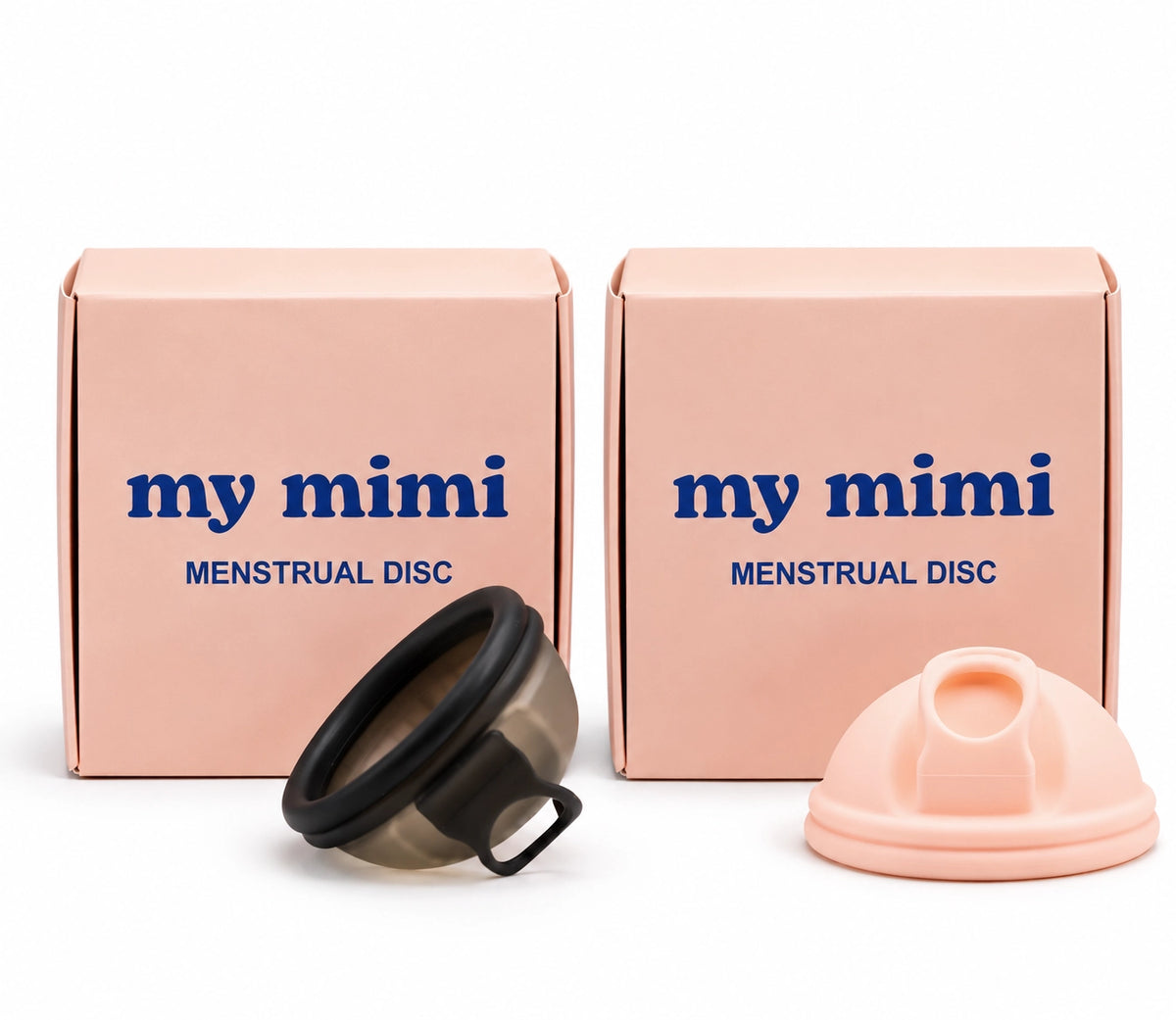

my mimi - reusable menstrual disc