

Why Does My Period Smell? What’s Normal and What’s Not
Yes, it's normal for your period to have a mild smell-often metallic, tangy or earthy. While everyone experiences slightly different scents from cycle to cycle, being aware of what's usual for you helps build confidence and makes it easier to spot when something's changed.
Why menstruation has a smell
Your period smells because menstrual blood is rich in iron, which gives it a metallic or coppery scent. This blood mixes with vaginal fluids, uterine tissue and the unique bacterial balance (flora) of your vagina. The normal vaginal pH is slightly acidic, and together with the presence of healthy bacteria, this natural environment can create subtle odours that might be described as tangy, sour, earthy or metallic.[^1][^2]
Why smell changes over your period
You might notice your period smells stronger or different at certain stages. Old blood-often seen as brown at the start or end of a period-can have a more pronounced, sometimes musty smell because it's been exposed to air longer. Changes in pH and hormone levels during menstruation can alter the balance of bacteria, making odour more noticeable for some people. Sweat, tight clothing and long periods between changes (whether you use pads, tampons or a menstrual disc) can also intensify odours.[^2][^3]
What smells are usually normal-and when to see a healthcare provider
Most period smells are harmless. A slightly metallic, tangy, or earthy scent is expected and will vary depending on flow, timing and your hygiene habits.
But it's important to know the warning signs:
- A persistent or very strong fishy, rotten or yeasty smell
- Odour lingering well after your period ends
- Accompanying symptoms such as unusual discharge, itching, irritation, pain or burning
These changes could signal an infection like bacterial vaginosis, trichomoniasis, or (less commonly) a forgotten tampon or other medical condition. If you notice these symptoms, it's best to speak to your GP or healthcare provider.[^1][^2][^3]
Practical tips to manage period-related odours
- Change pads, tampons or menstrual discs regularly according to your flow.
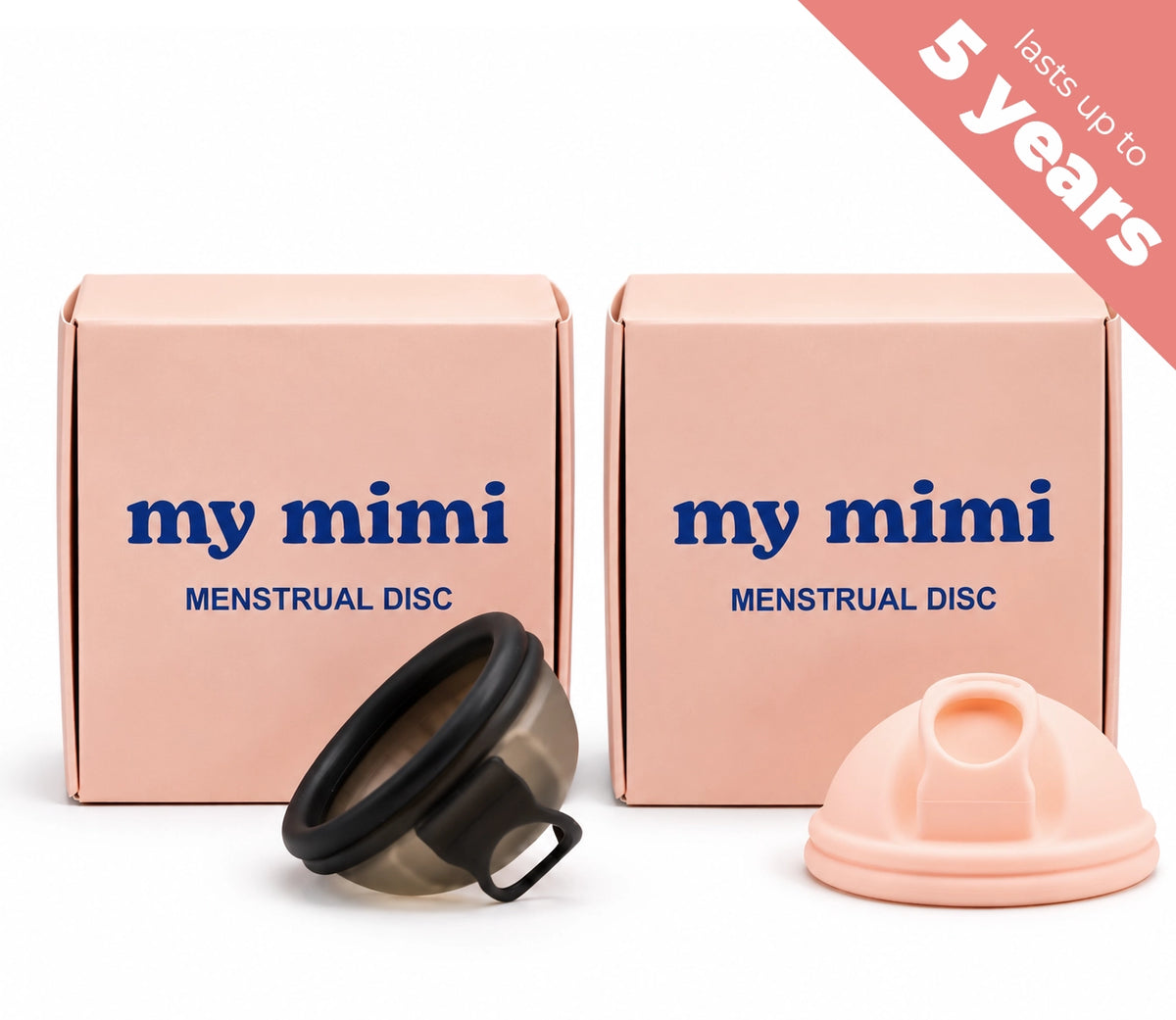
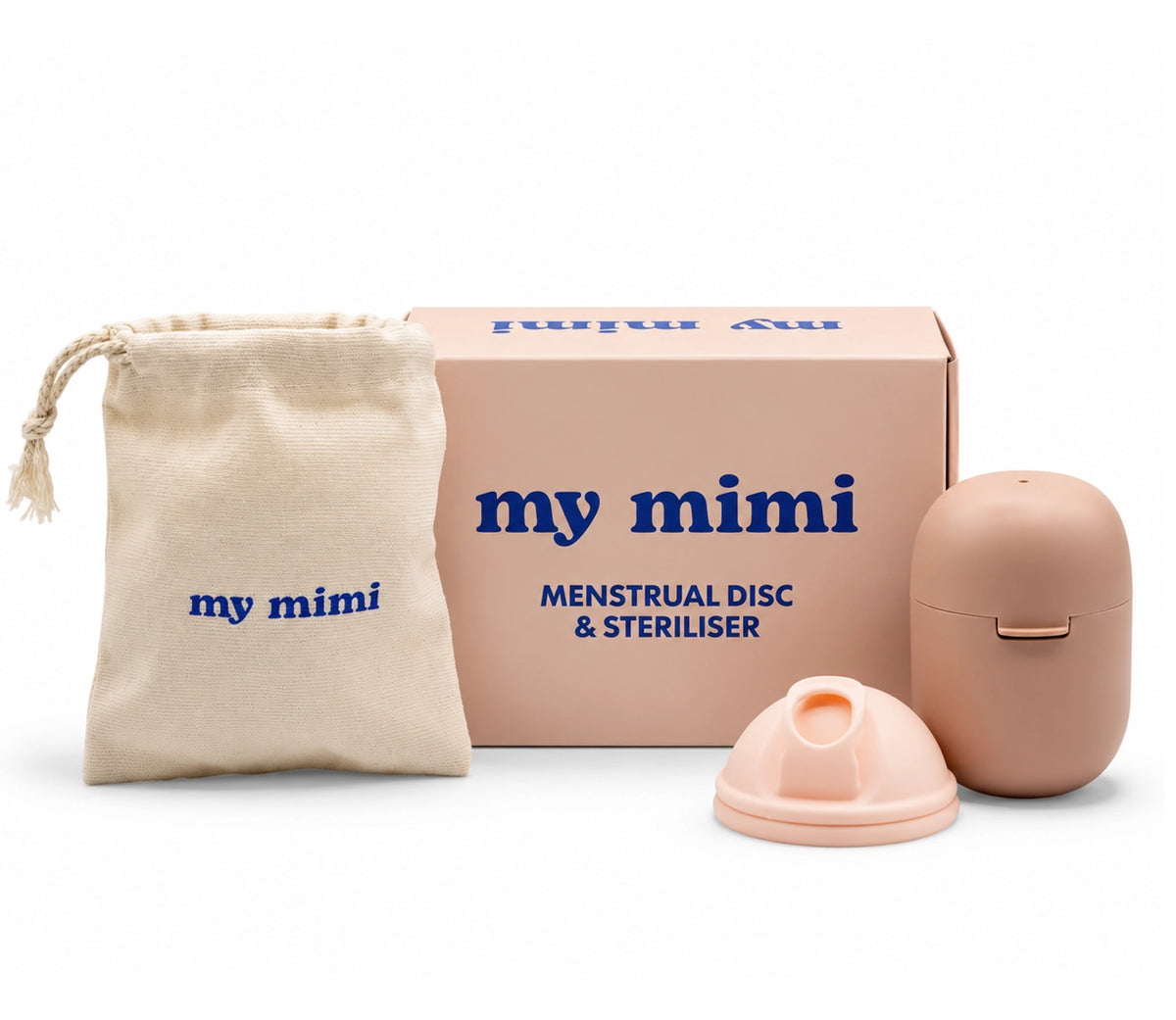
- For reusable products like the my mimi menstrual disc, rinse with cold water first, then wash thoroughly with a gentle cleanser. Allow the disc to dry before storing it in its cotton pouch.
- Sterilise your disc between periods following product instructions, or use tools like the my mimi GO steriliser for easy care.
- Avoid harsh soaps, antibacterial washes and scented products-these can upset your vaginal flora and may worsen odour or cause irritation.
- Wear clean, breathable underwear and opt for natural fabrics when possible.
- Stay hydrated to help your body manage natural odours.
Find more cleaning and care guidance in the my mimi disc odour guide.
How using my mimi reusable menstrual disc may influence odour experience
Because the my mimi menstrual disc collects blood internally and forms a seal just beneath the cervix, it can limit blood’s contact with air and external factors like sweat. For some, this can mean a milder or less noticeable period smell compared to disposable products that absorb and expose menstrual blood to the air. A consistent cleaning and storage routine-rinsing, washing and sterilising-is the best way to keep your disc (and your period) feeling fresh.
It's important to remember every body is different: some odour is perfectly normal and may come and go over your cycles.
Personal awareness and normalising your own scent patterns
Learning what is ‘normal’ for your body makes it easier to spot any sudden or concerning changes. Minor shifts in period smell are typical and mostly not a cause for alarm. Trust your instincts-if a new, unpleasant or persistent odour arises, or if you have other symptoms, don’t hesitate to seek professional advice. Remember, everyone’s cycle is unique and there’s no single ‘normal’ to aim for.
---
[^1]: Cleveland Clinic - Vaginal Odor: Types, Causes, Diagnosis & Treatment
[^2]: Always UK - Why can menstrual blood have a distinctive odour?
[^3]: Medical News Today - Period blood smell: What you need to know
Frequently asked questions
Is it normal for my period to smell metallic?
Yes, a mild metallic smell during your period is normal and comes from the iron in your blood. Each person’s scent varies, but a coppery or tangy odour on your period is expected. If you notice a strong, persistent, or unfamiliar odour, especially with discomfort or discharge, contact your GP.
My menstrual disc smells a bit-am I doing something wrong?
A faint odour on your menstrual disc is normal after use and often linked to blood exposure or residue. Make sure to rinse, wash with a gentle silicone-safe cleanser, let it dry thoroughly and sterilise between cycles. Persistent or unpleasant smells may mean your disc needs a deeper clean or replacement. Find practical cleaning solutions in our
When should I see my GP about period smell?
You should seek medical advice if you notice a strong, fishy, rotten, or yeasty smell that lingers after your period, or if the odour is accompanied by pain, itching, unusual discharge, or irritation. Sudden changes that don’t improve with good hygiene are worth discussing with your healthcare provider. Learn about similar experiences in our
Could diet or stress affect the smell of my period?
Yes, things like strong-smelling foods, dehydration, and even stress can temporarily change your body’s scent or how you perceive it. These shifts are usually mild and resolve on their own. See more about managing variations in period experiences here.
How can I reduce period odour when I'm out or at work without using scented products?
Choose breathable, unscented underwear and change your pad or disc before it’s full. For reusable discs, rinse and clean thoroughly at every change, store in a cotton pouch, and use gentle cleanser or sanitiser between cycles if possible. For tips on period management outside home, read our
Health Warning
This content is for general information and does not replace personalised advice from a qualified healthcare professional. Speak with your healthcare professional about symptoms, treatment or concerns.