

The Science Behind Menstrual Discs in 2026
Curious about menstrual discs? Our up-to-date guide explains the science, practical details, and newest findings about using a menstrual disc for period care in Australia. Learn the differences from cups, capacity advantages, and get practical tips for comfort and leak management, with plain-language advice and science you can trust.
Introduction
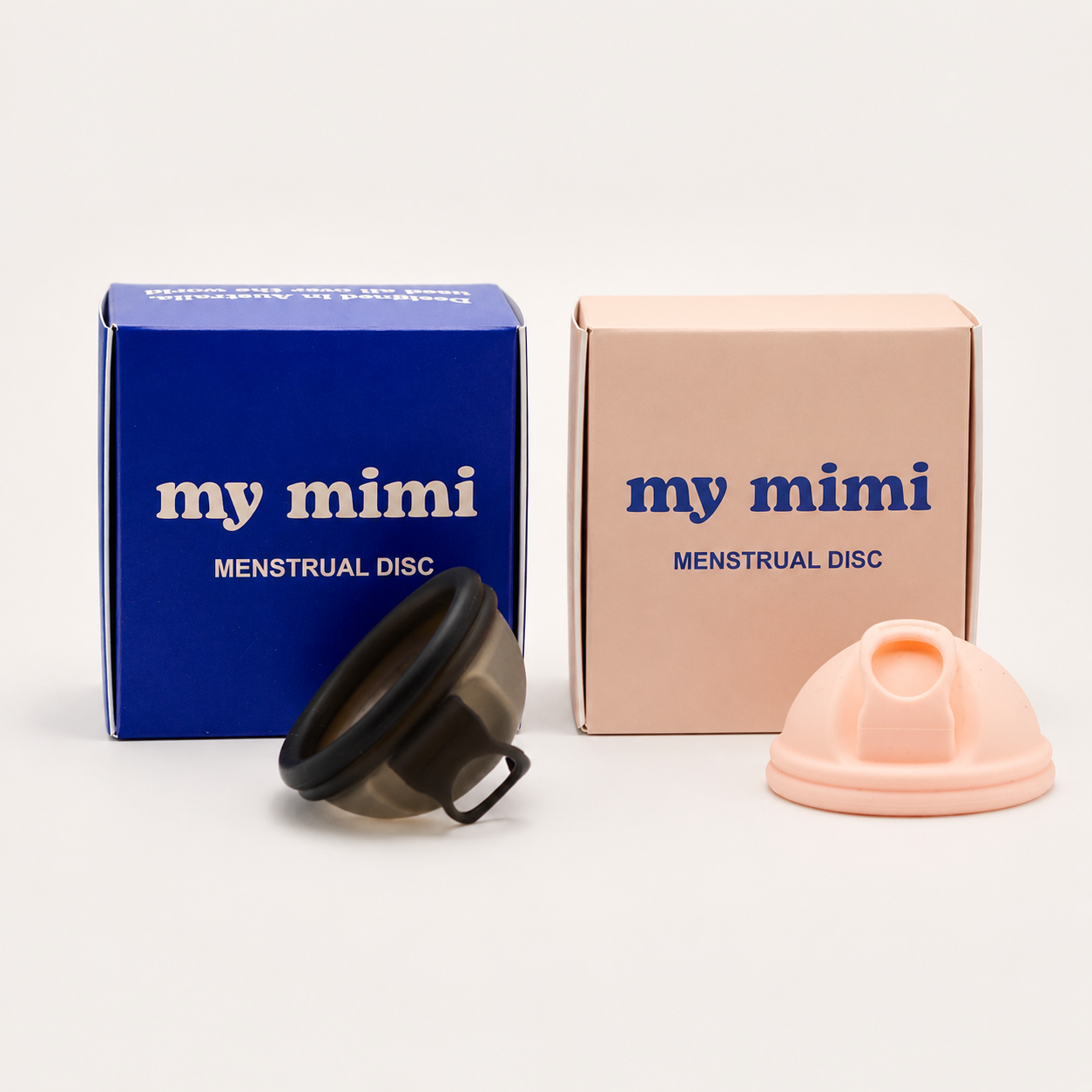
If you’re new to menstrual discs, you’re not alone. Most people first ask, “How do period discs actually work, and will they fit my life?” Rather than another niche product, discs like the my mimi menstrual disc are quietly transforming period care by blending simple science with practical comfort. Let’s explore the latest data and user-centred advice to show why discs are gaining popularity in Australia - and how the science supports your choices in 2026.
Understanding Menstrual Discs - The Science
How Menstrual Discs Work in the Body
A menstrual disc is designed to sit high in the vaginal canal, right below the cervix. Unlike pads and tampons that absorb fluid externally or low in the vagina, a disc collects your period fluid internally in a soft, flexible reservoir. When inserted, the disc tucks behind the pubic bone - using your body’s natural anatomy, not suction, for retention. This is a key distinction from menstrual cups.
Anatomy and Retention Mechanism
Scientific analysis shows that the disc rim is supported mainly by the pubic bone, with the collection area resting below the cervix in the wider space called the fornix [1]. This anatomical approach means the disc remains secure during daily movement, and most users cannot feel it when placed correctly. Since discs do not rely on suction (unlike menstrual cups), they can be an option for people with IUDs (intrauterine devices), provided care is taken, especially during removal. Always consult a healthcare provider if you have specific concerns.
Capacity: How Much Can a Disc Hold?
Capacity is one of the major advantages of menstrual discs. The my mimi Large disc holds approximately 61 mL, and the Small about 32 mL [2]. This higher volume compared to cups or tampons makes discs popular for those with heavier flows or who want fewer bathroom trips. Discs can generally be worn for up to 12 hours, depending on your flow and daily routine, but may need to be emptied sooner on heavier days.
What is Auto-Dumping?
A unique feature of menstrual discs, highlighted in recent clinical reviews, is “auto-dumping.” Some users notice the disc partially empties (“auto-dumps”) while using the toilet, due to pelvic floor movement shifting the position [3]. This can be a surprise at first but is harmless and doesn’t indicate a problem with the product. Simply check if you need to reposition the disc afterwards.
Menstrual Discs vs. Menstrual Cups - Key Differences
Positioning, Retention, and Removal
- Position: Discs sit higher in the vaginal canal, with the rim behind the pubic bone; cups sit lower and form a seal using mild suction.
- Retention: Discs are stabilised by body anatomy - not a suction mechanism.
- Removal: Discs are removed by hooking a finger under the rim and sliding them out, while keeping them level to avoid spills.
Comfort, Learning Curve, and Common Challenges
Most users find that after a brief learning curve, a menstrual disc can be comfortable and unobtrusive. The rim may take some practice to position, but support is available throughout the learning journey. A small number of users may experience leaks or need to adjust positioning; sizing and insertion technique can help here. For those used to cups, discs often feel different - but many find them more comfortable for overnight or longer wear.
Practical Advice - Insertion, Removal, and User Tips
Step-by-Step Insertion Guide
1. Wash your hands.
2. Pinch the disc to make it narrower.
3. Insert it into the vagina, aiming back towards your tailbone.
4. Tuck the front rim securely behind the pubic bone.
5. Check for comfort - if you can’t feel it and there’s no spotting after a short time, it’s likely well placed.
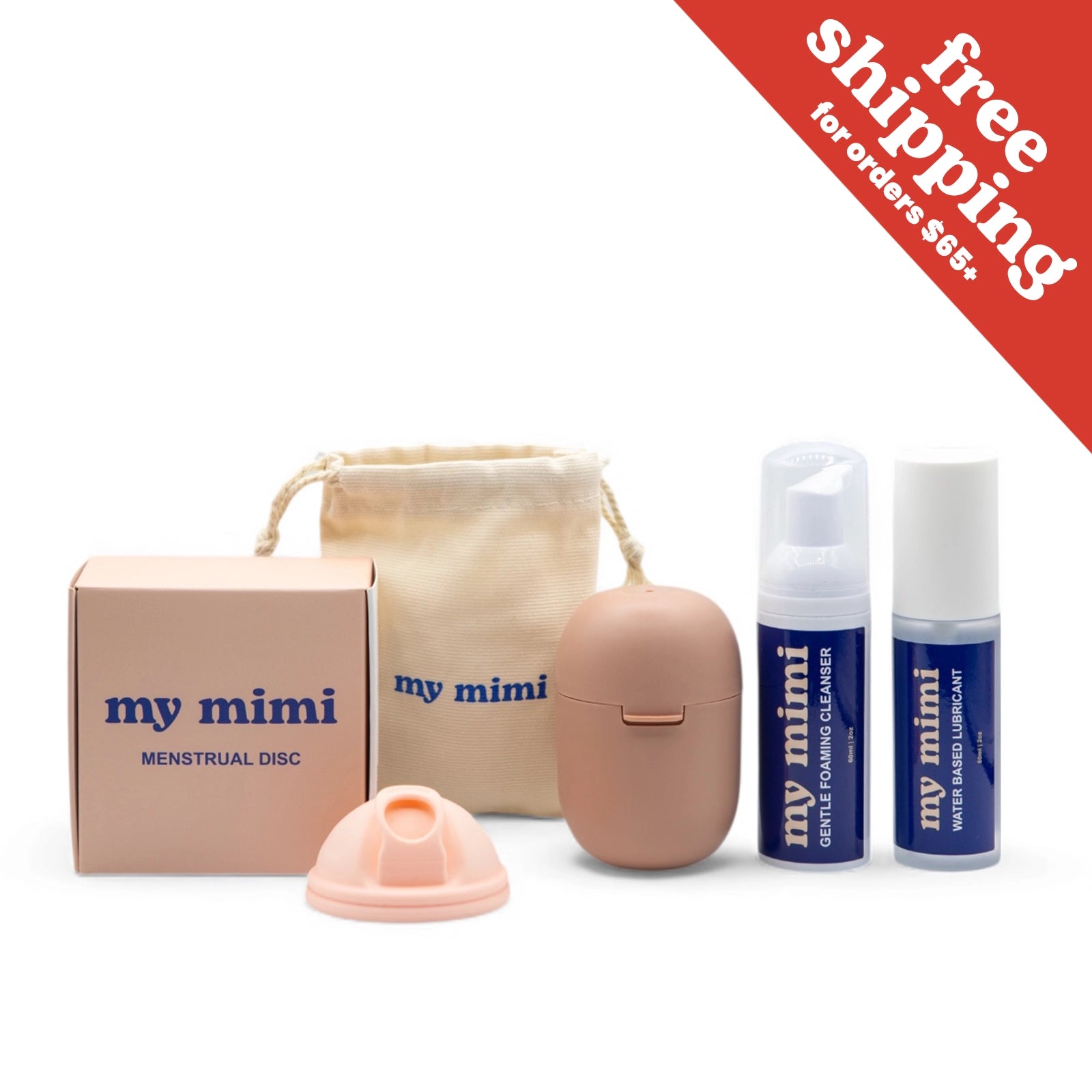
Many people find a water-based lubricant or disc applicator helpful when learning. For detailed visuals, see our internal how to insert a menstrual disc guide.
Removal Techniques and Troubleshooting
- Relax your pelvic floor and bear down gently.
- Hook a clean finger under the rim or removal loop (if present).
- Keep the disc level as you bring it out to minimise spillage.
- Some users prefer to remove the disc in the shower initially.
Visit our disc removal troubleshooting guide if you need more support.
Handling Leaks and Slipping
Minor leaks are usually due to disc position or size selection. If leaks persist, revisit sizing guidance - our choosing the right size guide [source needs verification] can help. Remember: “designed for reliable period protection when correctly positioned” is not an absolute guarantee - experience varies.
IUD-Friendliness
Because my mimi menstrual discs do not use suction, with appropriate care they are often considered IUD-friendly. Take care to avoid catching your IUD strings during removal, and always consult your healthcare provider with concerns or if you experience unexpected symptoms.
Current Clinical Data and User Experiences
What’s Changed in 2026? Latest Findings
- Clinical capacity data: Recent studies confirm the average capacity for Large discs is around 61 mL, higher than many cups and tampons.
- Auto-dumping recognition: Increased awareness and practical tips for managing partial emptying have helped normalise this phenomenon.
- User education: More brands are offering clear, plain-language instructions and supporting accessories (e.g., disc applicators, cleansers).
User Quotes and Survey Findings
"I switched to a disc for the higher capacity, and after a couple of cycles, I hardly notice it’s there most days. Auto-dumping caught me by surprise at first but is actually helpful on heavy days."
Visual Comparison – Table: Discs vs Cups
| Feature | Menstrual Disc (my mimi) | Menstrual Cup |
| Position | High in vaginal canal, behind pubic bone | Lower, beneath cervix; relies on suction |
| Retention mechanism | Tucked behind pubic bone | Suction/seal |
| Capacity (Large size) | ~61 mL | ~20–40 mL |
| Wear time | Up to 12 hours (depends on flow) | Up to 12 hours (depends on flow) |
| IUD-friendly | Does not rely on suction* | Uses suction |
| Removal | Hook finger under rim; level out | Pinch base to break seal |
| Auto-dumping possible | Yes | No |
*Speak with your healthcare professional if you have an IUD.
Further Reading:
- How menstrual discs work
- Choosing the right size
- Insertion troubleshooting guide
- Disc vs cup comparison
References
Where statistics or clinical findings are cited, see:
- Complete Healthcare
- ScienceInsights
- Women Health Calculator
- Planned Parenthood
- PMC Clinical Literature
We avoid making claims like “discs are always easier than cups” as comfort always depends on your anatomy and preferences. For any medical queries, consult a health professional.
Conclusion - Why Menstrual Discs Remain a Smart Choice
Menstrual discs like the my mimi reusable menstrual disc combine scientific design, practical capacity, and anatomy-based retention for a new kind of period confidence. With clear education, supportive accessories, and up-to-date guidance, they are an approachable option for both experienced and first-time reusable product users. Whether you’re curious, comparing with cups, or hoping for a better fit, the science and support for menstrual discs continue to grow in 2026.
Related reading
Frequently asked questions
How do menstrual discs stay in place?
A menstrual disc is held in place by your vaginal anatomy. The disc sits high in the vaginal canal, with the front rim tucked behind the pubic bone. This provides natural retention without relying on suction.
How much fluid can a menstrual disc hold?
A Large my mimi menstrual disc holds approximately 61 mL of menstrual fluid, while the Small size holds around 32 mL, according to current clinical data.[1] Capacity is one of the major advantages of menstrual discs for those with heavier flow.
How does auto-dumping work?
Some users experience a partial emptying ("auto-dumping") of the disc when using the toilet, as pelvic floor movements can shift the disc. Others may never notice this. This does not mean the disc must be changed; simply check and reposition as needed.[2]
Can I wear a menstrual disc with an IUD?
Menstrual discs do not rely on suction in the way menstrual cups commonly do. Many people with IUDs use a disc, but always speak with your healthcare professional if you have specific concerns. Take care not to pull on your IUD strings during removal.
Is a menstrual disc right for me if I’ve used a menstrual cup before?
Menstrual discs and cups differ: discs sit higher and do not require suction. There may be a learning curve, but some users find discs more comfortable for long-wear or overnight use.
[1] https://scienceinsights.org/what-is-a-menstrual-disc-and-how-does-it-work/?utm_source=openai
[2] https://pmc.ncbi.nlm.nih.gov/articles/PMC10026971/?utm_source=openai
Explore our educational hub or shop my mimi menstrual discs to find the size and accessories that suit your needs.
Health notice
This content is for general information and does not replace personalised advice from a qualified healthcare professional. Speak with your healthcare professional about symptoms, treatment or concerns.