

Why Am I So Tired on My Period?
Feeling unusually sleepy, drained or mentally foggy around your period is common. Hormonal changes, disrupted sleep, period pain and blood loss can all contribute, but persistent or severe fatigue deserves attention.
The quick answer: You may feel tired during your period because your hormone levels are changing, premenstrual symptoms have affected your sleep, pain is wearing you down or your usual routine has been disrupted. If your periods are heavy, iron deficiency or anaemia may also contribute. Fatigue that is severe, persistent or accompanied by breathlessness, dizziness, palpitations or very heavy bleeding should be discussed with a doctor.
What does period fatigue feel like?
Period fatigue is the tiredness or low energy some people experience before or during menstruation. It may feel different from ordinary end-of-day tiredness and can affect both your body and your ability to concentrate.
You may notice:
- feeling sleepy even after a full night of rest
- struggling to get out of bed
- having less energy for work, study or exercise
- finding it harder to focus or think clearly
- feeling physically weak, heavy or sluggish
- having less motivation than usual
- needing more breaks throughout the day
- feeling exhausted before bleeding begins
Some people notice fatigue in the days before their period, while others feel it most strongly during the first few days of bleeding. Premenstrual syndrome, commonly called PMS, can include tiredness, poor sleep, headaches, mood changes and physical discomfort.
Mild tiredness that lasts for a short time may be part of your usual cycle. Fatigue that repeatedly prevents you from working, studying, exercising or completing normal activities should not automatically be dismissed as “just your period”.
Why does my period make me so tired?
There is not one single cause of period fatigue. Several physical and emotional factors may overlap during the days before and during your period.
Hormonal changes
Oestrogen and progesterone change throughout the menstrual cycle. These shifts can occur alongside changes in sleep, mood, appetite and perceived energy, particularly in the days leading up to menstruation.
PMS may affect your sleep
PMS can involve poor sleep, headaches, bloating, cramps, bowel changes and emotional symptoms. Even a few restless nights can leave you feeling unusually tired when your period arrives.
Cramps and pain are exhausting
Period pain occurs as the muscles of the uterus contract. Pain can make it harder to sleep, concentrate, move comfortably and complete your usual activities.
Heavy bleeding can reduce iron
Repeated heavy blood loss can lower iron levels and may contribute to iron deficiency or iron-deficiency anaemia. Possible symptoms include tiredness, dizziness, weakness, pale skin, breathlessness and heart palpitations.
Your eating pattern may change
Pain, nausea, cravings, a busy routine or changes in appetite may lead you to skip meals or rely on foods that do not provide sustained energy.
You may not be drinking enough
Dehydration may contribute to headaches, sluggishness and difficulty concentrating. Diarrhoea, vomiting, exercise or hot weather can increase your fluid needs.
Stress may magnify fatigue
Stress can affect sleep, appetite, muscle tension and your perception of pain. Period symptoms may also become another source of pressure, creating a cycle of poor sleep and reduced energy.
Another health issue may be involved
Persistent fatigue can have causes unrelated to menstruation, including thyroid conditions, sleep disorders, nutritional deficiencies, infection, medication effects and mental health conditions.
Could heavy periods be making you tired?
Heavy menstrual bleeding is one of the more important causes to consider when period fatigue is severe or happens repeatedly. Ongoing blood loss may reduce your iron stores and can eventually contribute to iron-deficiency anaemia.
Signs your period may be heavy
Heavy bleeding can look different from person to person. The impact on your daily life is just as important as the amount of blood you lose.
- needing to change a period product every two hours or less
- regularly bleeding through clothing or bedding
- waking during the night to change protection
- using more than one type of protection at the same time
- passing large blood clots
- bleeding for longer than is usual for you
- avoiding work, school, exercise or social activities because of bleeding
Possible symptoms of iron deficiency or anaemia include:
- persistent tiredness or weakness
- dizziness or feeling light-headed
- headaches
- pale skin
- shortness of breath
- a racing heart or heart palpitations
- difficulty completing normal activities
A GP can assess your bleeding pattern and may recommend blood tests, including a full blood count and iron studies, where appropriate.
What may help with tiredness during your period?
The most useful approach depends on what is causing your fatigue. These general strategies may make the days around your period feel more manageable.
Protect your sleep
Keep your bedtime and wake time as consistent as practical. Prepare anything you may need overnight, including heat therapy, comfortable sleepwear and your preferred period product.
Eat regular meals
Aim for meals containing protein, fibre-rich carbohydrates and healthy fats rather than relying only on foods that provide a brief burst of energy.
Stay hydrated
Keep water nearby and drink regularly throughout the day, particularly if you are exercising, experiencing digestive symptoms or spending time in hot weather.
Try gentle movement
A short walk, stretching or another comfortable form of movement may support mood and energy. Rest is also valid when your body needs it.
Manage pain early
Heat packs, gentle movement and suitable pain relief may help some people. Ask a pharmacist or doctor which medicines are appropriate for you.
Track the pattern
Record fatigue, flow, pain, sleep and associated symptoms for several cycles. A clear pattern can make a medical appointment more useful.
What should you eat when you feel tired on your period?
Regular, balanced meals may help prevent energy dips. Try to combine a source of protein with fibre-rich carbohydrates and a variety of nutrient-rich foods.
| Food idea | Why it may be useful |
|---|---|
| Greek yoghurt with fruit and seeds | Provides protein, carbohydrates and a convenient snack or breakfast option. |
| Wholegrain toast with nut butter | Combines carbohydrates with fat and protein for a more sustained source of energy. |
| Lentil soup with wholegrain bread | Lentils provide plant-based protein, fibre and iron. |
| Tofu, vegetables and rice | Provides protein, carbohydrates and a variety of nutrients. |
| Beans, avocado and salad in a wrap | A balanced option containing protein, fibre, carbohydrates and fats. |
| Fruit with nuts or yoghurt | An easy snack that combines carbohydrates with protein or fat. |
Include iron-rich foods
Iron is needed to make haemoglobin, which helps red blood cells carry oxygen around the body. Food sources include legumes, tofu, fortified cereals, leafy green vegetables, eggs and meat. Eating plant-based iron sources with vitamin C-rich foods may help your body absorb the iron.
Should you take an iron supplement?
Do not assume that feeling tired automatically means you have low iron. Fatigue can have many causes, and taking more iron than you need can be harmful. A doctor can assess your symptoms and determine whether blood tests or supplementation are appropriate.
Can changing period products improve fatigue?
A period product cannot treat hormonal changes, iron deficiency, anaemia or another medical cause of fatigue. However, using a product that feels comfortable and suits your flow may reduce leaking concerns, overnight interruptions or the need for frequent changes.
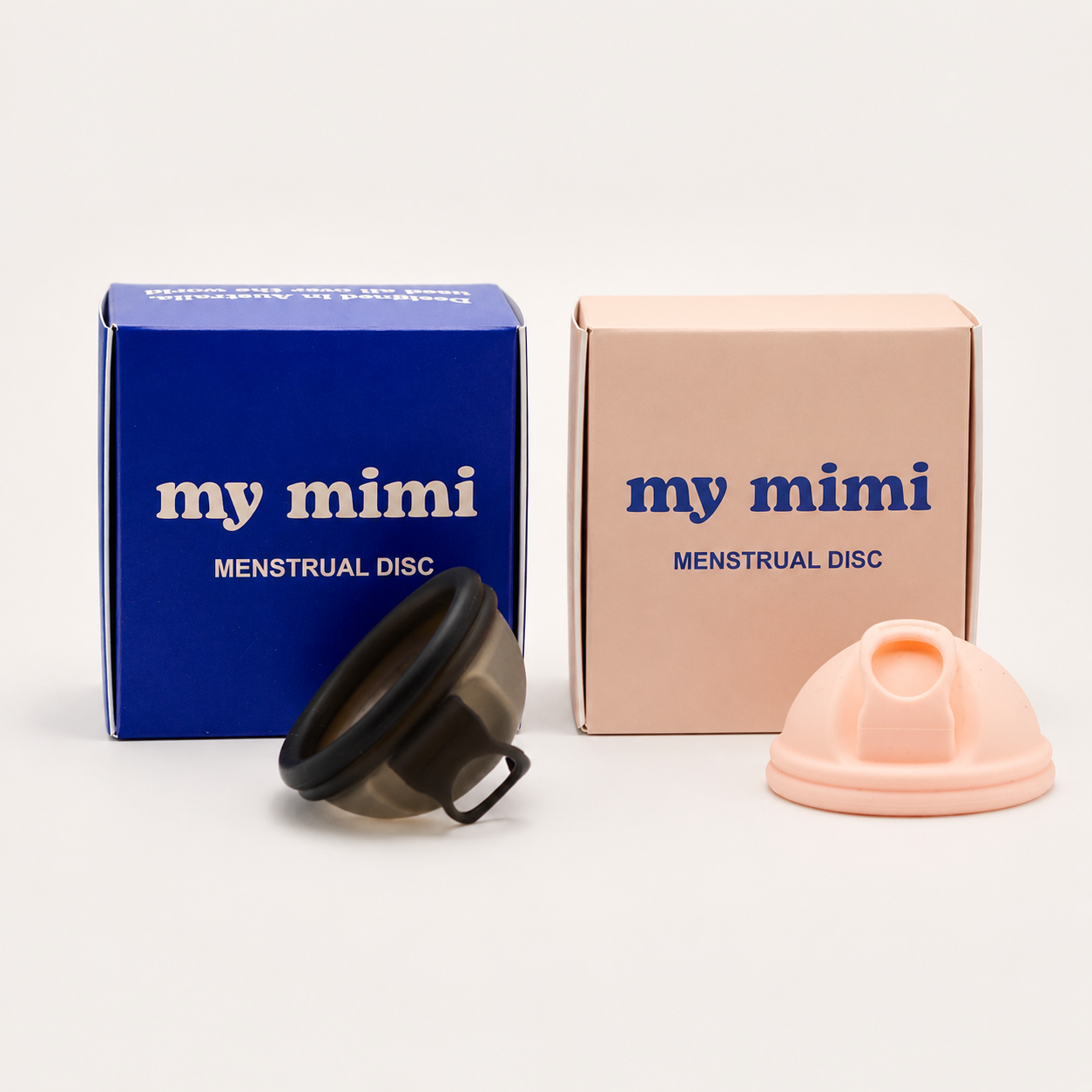
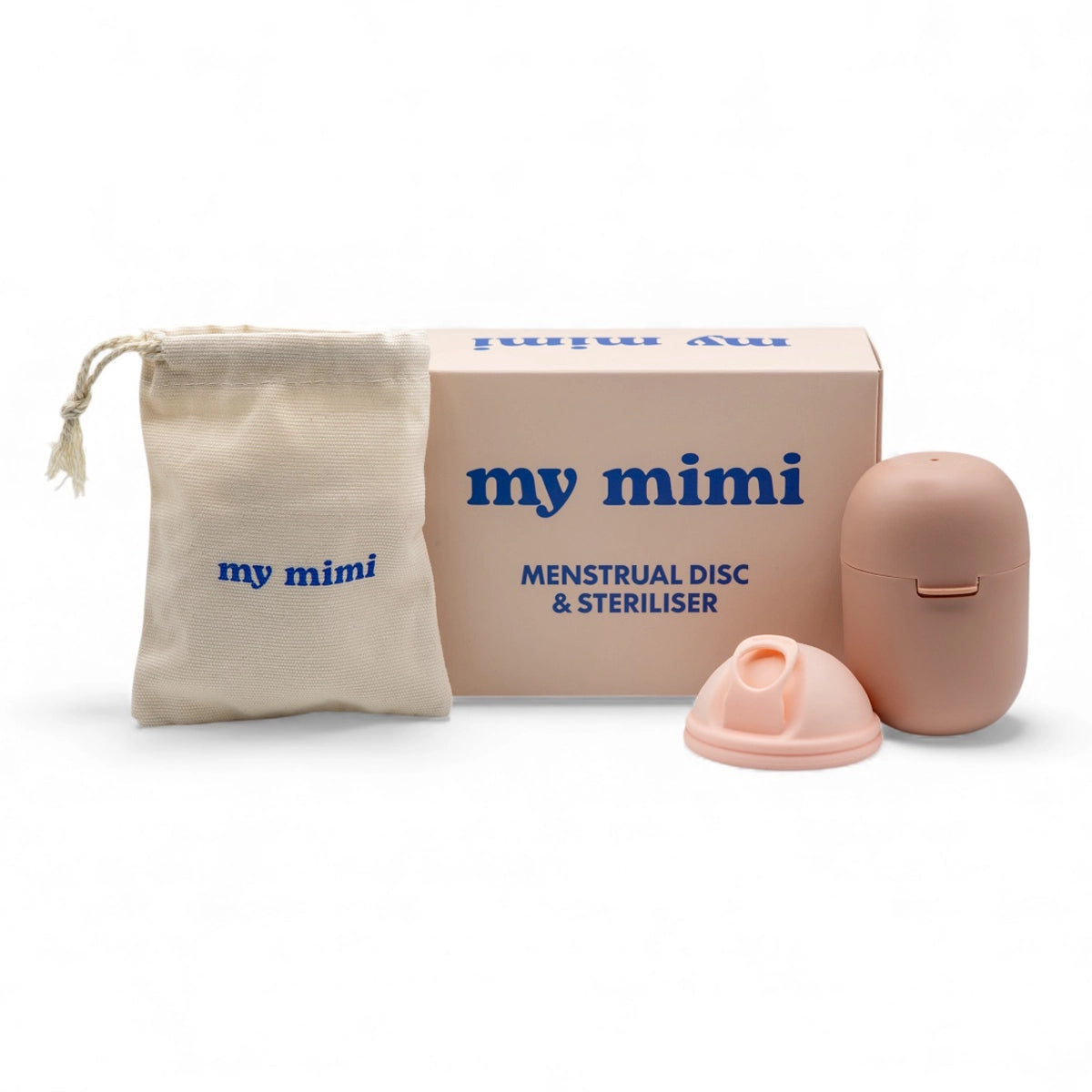
A reusable menstrual disc can generally be worn for up to 12 hours, depending on the product instructions and your individual flow. Some people find the longer wear time convenient overnight. A disc should still be emptied and cleaned correctly, and it should not be used to ignore unexplained heavy bleeding.
When should you see a doctor about period fatigue?
Arrange an appointment with your GP if:
- fatigue is severe, worsening or present for much of the month
- tiredness regularly affects work, study, exercise or social activities
- your periods have become noticeably heavier, longer or more painful
- you frequently bleed through products or need to change every two hours or less
- you experience dizziness, pale skin, breathlessness or heart palpitations
- you have bleeding between periods or after sex
- your symptoms feel unusual for you
- you are concerned about an underlying condition
Your doctor may ask about your bleeding pattern, diet, sleep, medications and other symptoms. Depending on your circumstances, they may recommend blood tests or further investigation.
Seek urgent medical assistance
Seek urgent help if you are fainting, have severe shortness of breath, chest pain, confusion, uncontrollable bleeding or feel acutely unwell. In Australia, call Triple Zero on 000 in an emergency.
Frequently asked questions
Is it normal to sleep more during your period?
Some people feel sleepier before or during their period, particularly when PMS, cramps or disrupted sleep are involved. Needing a little extra rest may be normal. Feeling overwhelmingly exhausted despite adequate sleep is worth discussing with a doctor.
Why am I tired before my period even starts?
PMS occurs before menstruation and can include tiredness, poor sleep, headaches, mood changes and physical discomfort. Tracking when the fatigue begins may help you identify whether it follows a recurring premenstrual pattern.
Why do I feel weak during my period?
Weakness may be related to pain, poor sleep, inadequate food or fluid intake, or heavy blood loss. Weakness accompanied by dizziness, fainting, breathlessness, palpitations or pale skin should be medically assessed.
Can heavy periods make you tired?
Yes. Heavy menstrual blood loss can reduce iron stores and may contribute to iron deficiency or anaemia. Tiredness is a common symptom, along with weakness, dizziness, breathlessness and heart palpitations.
Does iron help period fatigue?
Iron treatment may help when fatigue is caused by iron deficiency, but not all period fatigue is caused by low iron. Speak with a healthcare professional before starting supplements so the cause and appropriate treatment can be assessed.
Why do I get brain fog on my period?
Poor sleep, pain, stress, low mood and fatigue can all make concentration more difficult. Persistent brain fog or cognitive changes that occur outside your period should also be discussed with a healthcare professional.
Why am I exhausted even after sleeping?
Sleep duration is only one part of the picture. Your sleep may be fragmented, or fatigue may be related to iron deficiency, medication, stress, a sleep disorder, thyroid problems or another health condition. Ongoing exhaustion despite adequate rest deserves medical assessment.
Can a menstrual disc stop period fatigue?
No period product directly treats fatigue. A disc may make period management or overnight protection more convenient for some people, but it cannot treat anaemia, hormonal symptoms or another underlying medical condition.