

Will a menstrual disc damage the uterus or cervix?
Date Updated: 27th of January 2026
Read Time: 5 minutes
Quick answer
No. A menstrual disc cannot damage the uterus or cervix when used correctly. It sits below the cervix, does not use suction, and cannot enter the uterus. Comfort depends on correct size, placement, and individual anatomy.
Will a menstrual disc damage the uterus or cervix?
This is a common concern, especially for people new to internal period care. Menstrual discs sit inside the body, so it is natural to wonder whether they could cause harm to sensitive areas like the cervix or uterus.
The short answer is no. When used as directed, a menstrual disc does not damage the uterus or cervix. Understanding how a disc works and where it sits in the body can help ease this concern.
Where a menstrual disc sits in the body
A menstrual disc is worn internally, but it sits differently from tampons or menstrual cups. Instead of sitting low in the vaginal canal or creating suction, a disc rests in the vaginal fornix, just below the cervix.
This position allows the disc to collect menstrual fluid without applying upward pressure. Because it does not rely on suction, it is often considered a gentler option for people with pelvic sensitivity or changing anatomy.
If you are new to this type of product, the step by step guide on how to insert a menstrual disc for beginners explains positioning in detail.
Can a menstrual disc reach the uterus?
No. A menstrual disc cannot reach the uterus.
The cervix acts as a natural barrier between the vagina and the uterus. The cervical opening is far too small for a menstrual disc to pass through. When inserted correctly, the disc sits beneath the cervix rather than pushing into it.
This means there is no physical way for a disc to enter or damage the uterus.
Can a menstrual disc put pressure on the cervix?
When a disc fits correctly, most users do not feel it at all. Discomfort is more likely to occur if the wrong size is used or if the disc is not fully tucked behind the pubic bone.
Unlike cups, which rely on suction to stay in place, discs are held by the pubic bone and vaginal walls. This reduces pressure on the cervix and can feel more comfortable for people with a low cervix, mild prolapse, or pelvic floor sensitivity.
Choosing the right size is important. The menstrual disc size guide can help you decide which option suits your body.
Using a menstrual disc safely
There is no clinical evidence showing that menstrual discs damage the cervix or uterus when used as directed. Most issues reported by users relate to technique rather than the product itself.
For safe and comfortable use:
- Insert the disc at a slight angle toward the tailbone
- Ensure the rim is tucked securely behind the pubic bone
- Use a size that matches your anatomy and life stage
- Do not force insertion or removal
If removal ever feels difficult, the guide on what to do if a menstrual disc feels stuck offers reassurance and practical steps.
Why some people choose my mimi
my mimi is an Australian menstrual disc brand trusted by thousands of customers. It was awarded Best Sustainable Period Care Solution in Australia 2025 and is made from 100% medical grade silicone.
The disc is available in two sizes and includes a loop tab to support controlled, gentle removal. It is TGA-compliant and FDA-registered, and designed to be worn for up to 12 hours.
For users with specific concerns such as pelvic tilt or sensitivity, the article on using a menstrual disc with an IUD explains how discs differ from cups in terms of pressure and placement.
When to seek medical advice
If you experience ongoing discomfort, pain, or difficulty using a menstrual disc, stop use and speak with a healthcare professional. A GP, gynaecologist, or pelvic health physiotherapist can provide personalised advice based on your anatomy.
Menstrual care should feel supportive, not stressful. The right product should work with your body, not against it.
Final thoughts
A menstrual disc does not damage the uterus or cervix when used correctly. It sits below the cervix, does not use suction, and cannot enter the uterus. With the right size, technique, and a little practice, many people find discs to be a comfortable and reliable option for period care.
Learning how your body works and choosing a product designed to support it can make a meaningful difference to your cycle experience.
Health Notice: This article is for information purposes only. It is not a substitute for medical advice. If you are experiencing symptoms of anxiety, depression or other mental health concerns, consult a qualified health professional.
Featured collection
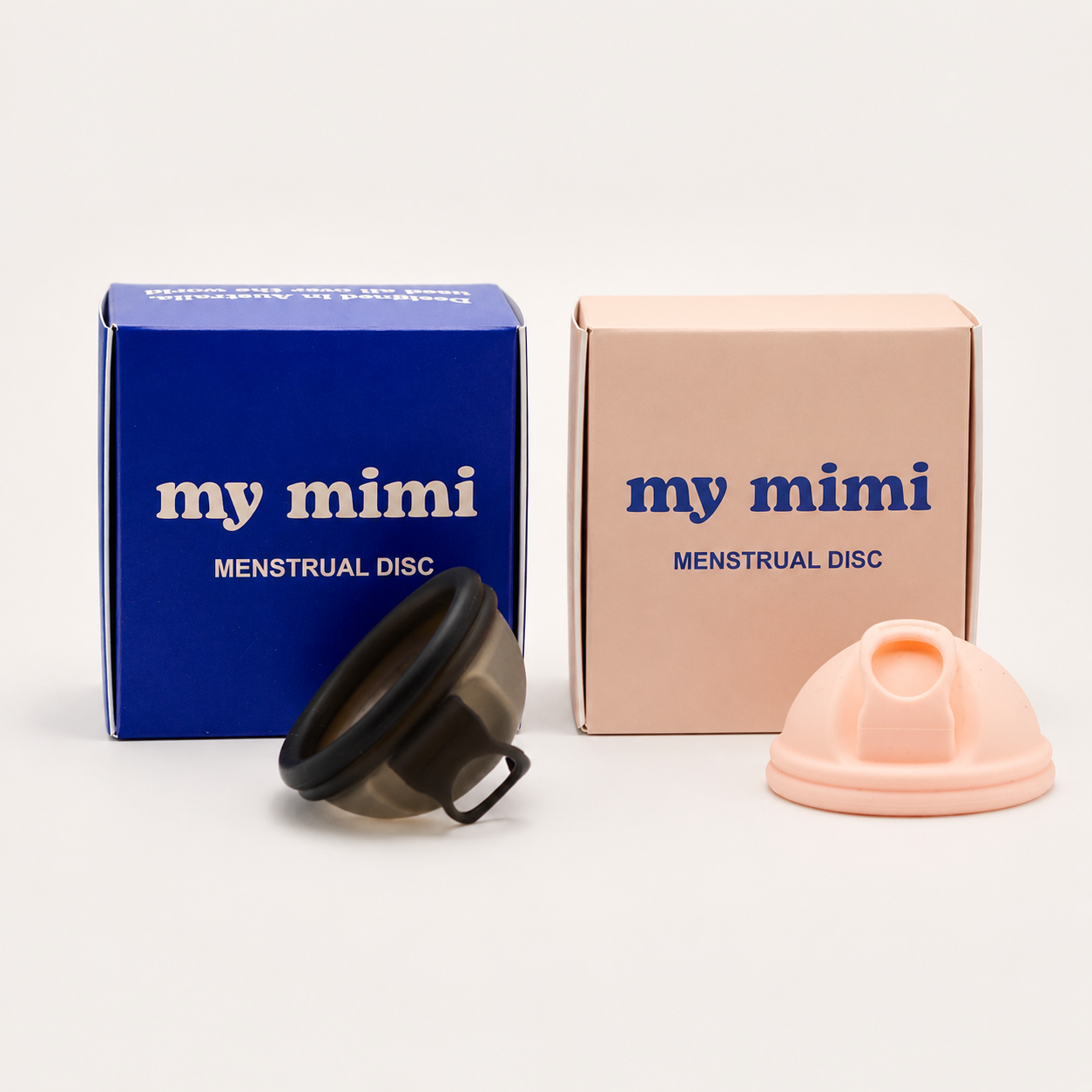

my mimi - reusable menstrual disc