
Date Created: 9 July 2026
Read Time: 9 minutes
When your period arrives, food can feel like both a comfort and a challenge. You might crave chocolate, salty snacks or warm carbs, while also dealing with cramps, bloating, fatigue, nausea or mood changes.
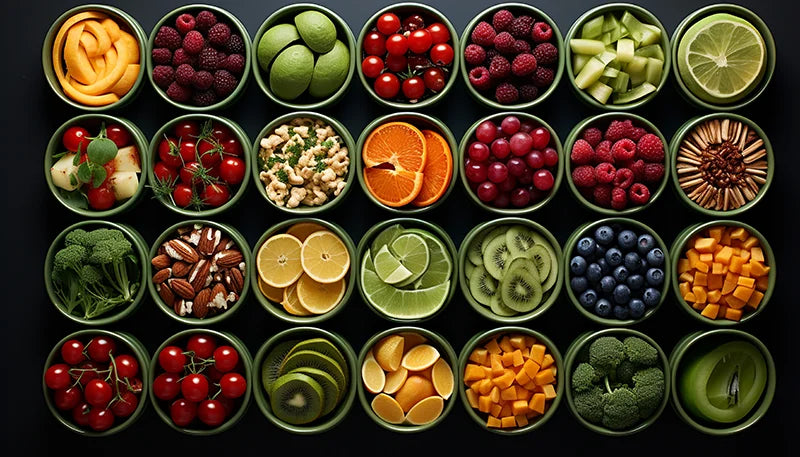
The good news is that what you eat during your period may help support your body. Food will not magically erase period pain, but a balanced diet with enough iron, magnesium, omega-3 fatty acids, fibre, protein and hydration can help you feel more comfortable and supported throughout your cycle.
Here are 15 of the best foods to eat during your period, plus a few foods you may want to limit if they make your symptoms worse.
my mimi interactive food guide
Build Your Period Plate
Choose how you are feeling to discover period-friendly foods that may help support your energy, comfort, digestion and hydration.
Step 1
How are you feeling today?
Select one or more symptoms. Your recommendations will update automatically.
Step 2
Your food recommendations
Select how you are feeling to build your personalised period plate.
Your personalised focus
What to prioritise today
Step 3
Your period shopping list
Tap “Add to my list” on any food you would like to remember.
Why food matters during your period
During menstruation, your uterus contracts to help shed its lining. These contractions are influenced by hormone-like compounds called prostaglandins, which are linked with period cramps. Some people also experience lower energy, digestive changes, headaches, cravings and mood shifts.
While food is not a cure for painful periods, certain nutrients may support energy, muscle function, inflammation, digestion and overall wellbeing. Healthdirect Australia notes that period pain is common, but you should speak with a doctor if pain is severe, unusual or interfering with daily life.

1. Leafy greens
Leafy greens such as spinach, kale, silverbeet and rocket are a great addition during your period because they contain iron, magnesium, folate and fibre.
Iron is especially important if you experience heavier bleeding, as your body loses iron through menstrual blood. Low iron can contribute to tiredness, weakness and low energy.
Try adding leafy greens to:
- Scrambled eggs
- Soups
- Wraps
- Stir-fries
- Smoothies
- Pasta sauces
If you struggle with the taste, spinach is one of the easiest greens to hide in meals because it wilts down quickly and has a mild flavour.

2. Bananas
Bananas are gentle, easy to digest and naturally sweet, making them a useful period snack. They contain potassium, vitamin B6 and carbohydrates, which can help support energy levels.
Potassium also plays a role in normal muscle function. If you feel tired, crampy or a little flat during your period, a banana can be a simple option that does not require much preparation.
Try banana with:
- Greek yoghurt
- Peanut butter
- Oats
- Smoothies
- Wholegrain toast

3. Oats
Oats are one of the best period-friendly breakfast foods. They provide slow-release carbohydrates, fibre, magnesium and B vitamins, which can help keep you fuller for longer.
This can be especially helpful if your appetite changes before or during your period. Instead of reaching for quick sugar hits that may leave you feeling flat later, oats provide steadier energy.
Period-friendly oat ideas include:
- Porridge with banana and cinnamon
- Overnight oats with berries
- Oats blended into a smoothie
- Baked oats with apple
- Oat-based snack balls

4. Eggs
Eggs are a practical source of protein, vitamin D, B vitamins and choline. Protein can help support fullness and stable energy, which is useful when cravings are high or your appetite feels unpredictable.
Eggs are also easy to pair with iron-rich vegetables such as spinach or mushrooms.
Simple period-friendly ideas include:
- One boiled egg with wholegrain toast
- Egg on sourdough with avocado
- Egg and spinach breakfast wrap
- Rice bowl with egg and vegetables

5. Greek yoghurt
Greek yoghurt contains protein and calcium, and some varieties include live cultures that support gut health. This can be helpful if you experience digestive changes around your period, such as bloating or irregular bowel movements.
Choose plain Greek yoghurt where possible, then add your own fruit, honey or cinnamon so you can control the sweetness.
Try it with:
- Berries
- Banana
- Granola
- Chia seeds
- Dark chocolate flakes

6. Berries
Berries such as strawberries, blueberries, raspberries and blackberries are rich in antioxidants, fibre and vitamin C.
Vitamin C helps your body absorb iron from plant foods, which makes berries a smart pairing with iron-rich foods such as oats, spinach, lentils or fortified cereals.
Add berries to:
- Porridge
- Yoghurt bowls
- Smoothies
- Chia pudding
- Wholegrain pancakes

7. Lentils
Lentils are packed with plant-based protein, fibre, iron and magnesium. They are a strong choice during your period, especially if you want something warm, filling and nourishing.
Because lentils contain fibre, they can also help support digestion. If you are not used to eating legumes, start with a smaller portion to avoid extra bloating.
Try lentils in:
- Soup
- Dahl
- Salads
- Wraps
- Pasta sauce
- Rice bowls

8. Chickpeas
Chickpeas are another period-friendly legume. They contain fibre, protein, iron, magnesium and complex carbohydrates.
They are also versatile and easy to add to meals. If your cravings lean towards savoury snacks, roasted chickpeas can be a more nourishing alternative to chips.
Ways to eat chickpeas during your period:
- Hummus with vegetable sticks
- Roasted chickpeas
- Chickpea salad
- Chickpea curry
- Chickpeas added to soup

9. Sweet potato
Sweet potato is comforting, filling and rich in complex carbohydrates, fibre, potassium and vitamin A.
It is a great option when you want something warm and satisfying but still want to support your body with nutrients.
Try sweet potato:
- Roasted with olive oil
- Mashed with dinner
- In a nourishing bowl
- As wedges
- In soup

10. Avocado
Avocado contains healthy fats, potassium, magnesium and fibre. It can help make meals more satisfying, which is useful if you feel hungry more often around your period.
Healthy fats also help your body absorb certain vitamins from vegetables.
Easy avocado ideas include:
- Avocado on toast
- Avocado in wraps
- Avocado in salad bowls
- Avocado with eggs
- Guacamole with veggie sticks

11. Nuts and seeds
Nuts and seeds are small but nutrient-dense. Almonds, walnuts, pumpkin seeds, sunflower seeds, chia seeds and flaxseeds can provide magnesium, healthy fats, fibre and plant-based protein.
Magnesium is involved in normal muscle and nerve function, which is one reason it is often discussed in relation to cramps and PMS symptoms.
Easy ways to add nuts and seeds:
- Sprinkle chia seeds into yoghurt
- Add pumpkin seeds to salads
- Snack on almonds
- Add walnuts to oats
- Use ground flaxseed in smoothies

12. Dark chocolate
Good news: chocolate can absolutely have a place during your period.
Dark chocolate contains magnesium and antioxidants, and it can satisfy sweet cravings without needing a large amount. Choose a higher-cocoa dark chocolate if you enjoy the taste.
A few squares of dark chocolate with berries, yoghurt or nuts can feel indulgent while still being more balanced than a large sugary snack.

13. Ginger
Ginger is often used for nausea and digestive discomfort, which some people experience during their period. It can also be warming and soothing when made into tea.
Try ginger in:
- Ginger tea
- Stir-fries
- Soups
- Smoothies
- Warm lemon and ginger drinks
If you take blood-thinning medication, have a medical condition or are unsure whether ginger supplements are suitable for you, speak with a healthcare professional.

14. Oily fish or plant-based omega-3 foods
Omega-3 fatty acids are often discussed for their role in inflammation and menstrual pain. Oily fish such as sardines, tuna and mackerel contain omega-3s. Plant-based options include chia seeds, flaxseeds and walnuts.
If you do not eat fish, you can still include plant-based omega-3 foods regularly. You can also speak with a healthcare professional before taking any supplement.
Omega-3 food ideas:
- Tuna rice bowl
- Sardines on toast
- Chia pudding
- Walnuts in oats
- Ground flaxseed in smoothies

15. Water-rich fruits and vegetables
Hydration matters during your period. Dehydration can make headaches, fatigue and general discomfort feel worse.
Water-rich foods can support your fluid intake while also providing vitamins, minerals and fibre.
Good options include:
- Watermelon
- Cucumber
- Oranges
- Strawberries
- Celery
- Zucchini
- Tomatoes
You can also support hydration with water, herbal tea, coconut water or a simple homemade smoothie.
Foods you may want to limit during your period
You do not need to eat perfectly during your period. Comfort food is normal, and one snack will not ruin anything. The goal is to notice what makes your symptoms better or worse.
Some people find the following foods and drinks can worsen bloating, cramps, headaches or mood changes:
- Very salty foods: May contribute to fluid retention and bloating.
- High-sugar snacks: May cause energy spikes and crashes.
- Too much caffeine: May worsen anxiety, sleep issues or breast tenderness for some people.
- Alcohol: Can affect sleep, hydration and mood.
- Greasy or highly processed foods: May leave some people feeling sluggish or more bloated.
That does not mean you can never have coffee, chocolate, chips or takeaway. It simply means it may be worth paying attention to how your body responds.
A simple one-day period meal idea
If you want an easy way to bring these foods together, here is a simple period-friendly meal day:
Breakfast
Oats with banana, berries, chia seeds and a spoon of Greek yoghurt.
Lunch
Lentil soup or a chickpea salad wrap with spinach, avocado and cucumber.
Snack
Dark chocolate with strawberries, or hummus with veggie sticks.
Dinner
Sweet potato bowl with leafy greens, egg, chickpeas, avocado and pumpkin seeds.
Drink
Water throughout the day, plus ginger tea or peppermint tea if you want something warm and soothing.
What about cravings?
Period cravings are normal. Hormonal changes can influence appetite, mood and food preferences. Instead of fighting every craving, try building a more balanced version around it.
If you are craving chocolate, have dark chocolate with yoghurt and berries. If you want chips, try a smaller bowl alongside a proper meal. If you want carbs, choose satisfying options such as oats, sweet potato, wholegrain toast or rice bowls.
The goal is not restriction. The goal is to feel better.
Can food stop period cramps?
Food alone usually will not stop cramps completely. Period pain can be influenced by hormones, prostaglandins, inflammation, stress, sleep, hydration and underlying conditions.
However, eating well may help support your body and reduce some triggers that can make symptoms feel worse. Many people find that a combination of nourishing food, hydration, gentle movement, heat packs, rest and suitable period care makes their period easier to manage.
If your cramps are severe, getting worse, suddenly different or stopping you from doing normal activities, speak with a doctor. Conditions such as endometriosis, adenomyosis or fibroids can cause significant period pain and deserve proper medical care.
Period care matters too
Food is one part of feeling better on your period, but your period product can also make a difference to your day.
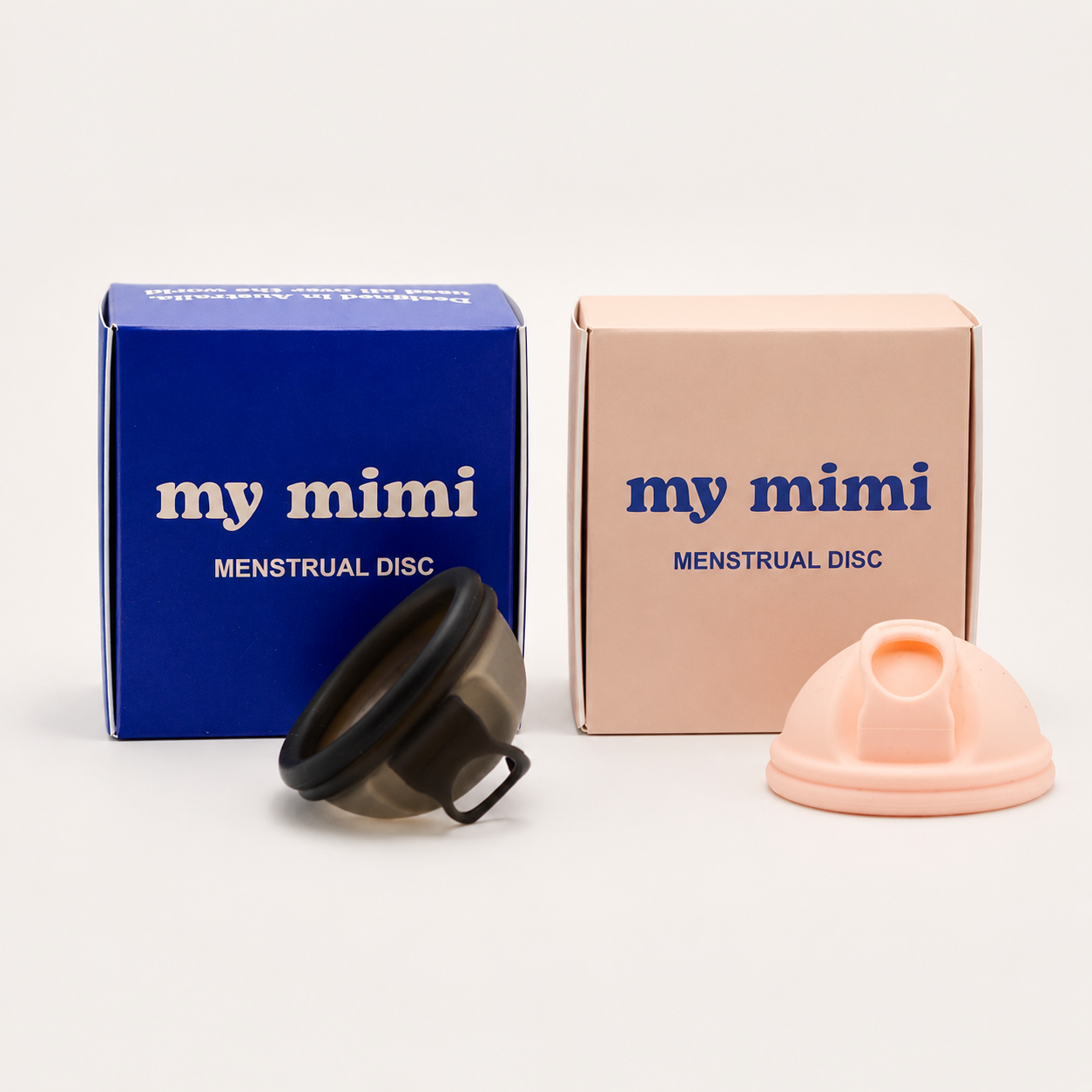
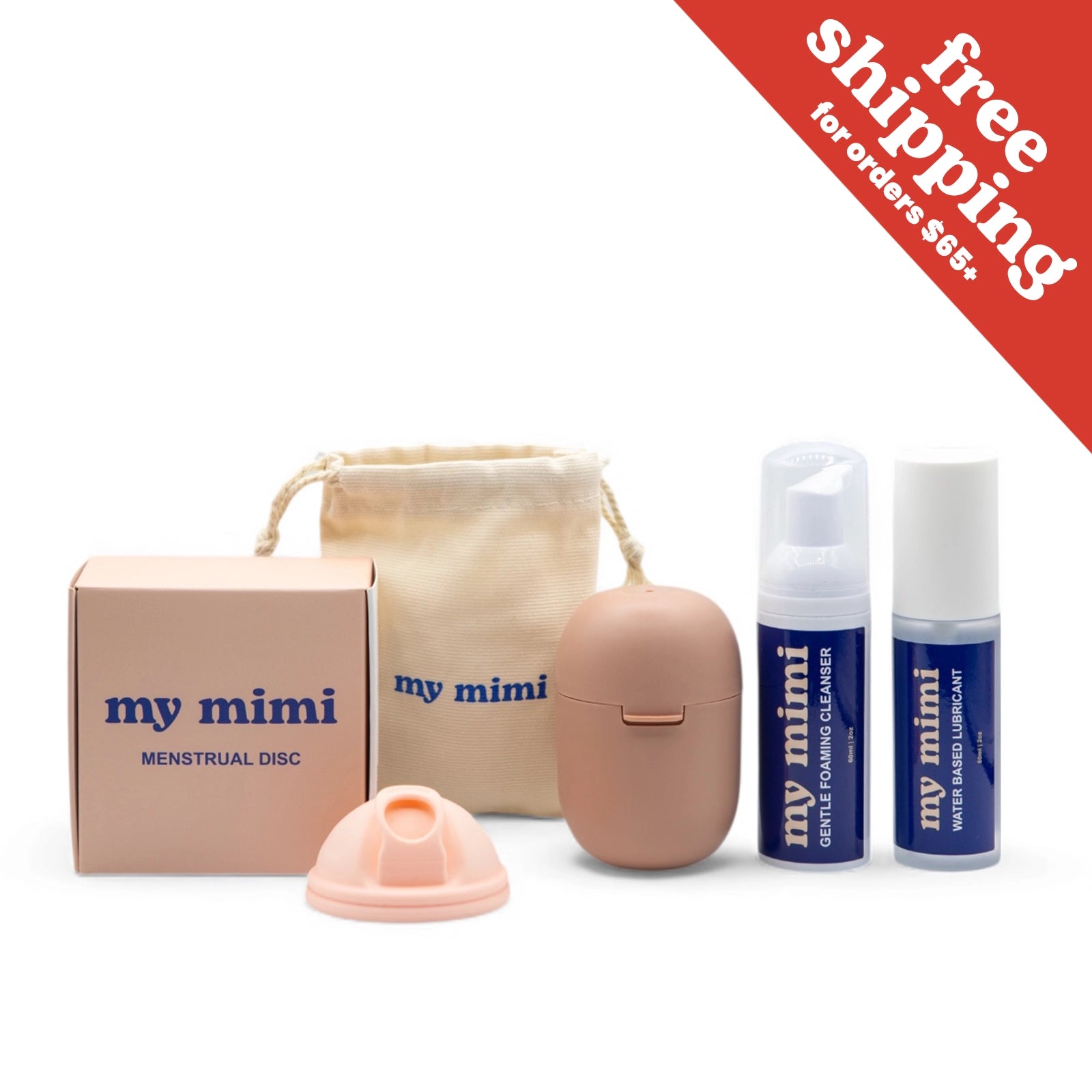
If you are tired of changing pads or tampons frequently, a menstrual disc may be worth considering. The my mimi menstrual disc is reusable, suction-free and designed to be worn for up to 12 hours, depending on your flow. It is made from 100% medical-grade silicone and comes in two sizes, Small and Large, so you can choose the fit that suits your body.
A disc will not change your hormones or stop cramps, but it can help make period management feel simpler, cleaner and more flexible.
Frequently asked questions
What is the best food to eat on your period?
There is no single best food for everyone, but helpful options include leafy greens, oats, bananas, lentils, chickpeas, Greek yoghurt, berries, sweet potato, nuts, seeds and water-rich fruits. These foods provide nutrients that support energy, digestion and overall wellbeing.
What foods help with period cramps?
Foods rich in magnesium, omega-3 fatty acids, fibre and antioxidants may help support your body during your period. Examples include leafy greens, nuts, seeds, lentils, chia seeds, walnuts, berries and oily fish or plant-based omega-3 foods.
What should I eat when I feel tired on my period?
Choose meals with protein, complex carbohydrates and iron-rich foods. Good options include oats with yoghurt and berries, eggs with spinach, lentil soup, chickpea wraps, sweet potato bowls and iron-rich leafy greens.
Is chocolate good during your period?
Chocolate is a common period craving. Dark chocolate can be a good option because it contains magnesium and has a stronger flavour, so a smaller amount may feel satisfying. Enjoy it as part of a balanced diet rather than treating it as something you need to avoid.
Should I avoid coffee during my period?
Not everyone needs to avoid coffee. However, some people find too much caffeine can worsen anxiety, sleep issues, headaches or breast tenderness. If coffee makes your symptoms worse, try reducing your intake or switching to herbal tea during your period.
What can I drink during my period?
Water is the best place to start. Herbal teas, smoothies, coconut water and water-rich fruits can also help with hydration. If you experience bloating, try limiting very sugary drinks, alcohol or excessive caffeine.
Can diet affect heavy periods?
Diet will not usually change heavy bleeding on its own, but iron-rich foods can help support your body if you lose more blood during your period. If your bleeding is very heavy, suddenly changes or causes symptoms such as dizziness or extreme fatigue, speak with a healthcare professional.
Health Notice
This article is for general educational purposes only and is not medical advice. Everyone’s body and menstrual cycle are different. If you experience severe period pain, very heavy bleeding, bleeding between periods, dizziness, fainting, sudden changes to your cycle or symptoms that interfere with daily life, please speak with a qualified healthcare professional.