
What you eat cannot switch period symptoms off completely, but it can influence how supported, energised and comfortable you feel across your cycle. Nutrition may help you maintain steady energy, support iron stores, stay hydrated and manage changes in appetite, digestion and cravings.
This guide explains what to eat before, during and after your period, including practical foods for heavy bleeding, PMS, cramps, low energy, nausea, constipation and cravings. It also covers caffeine, alcohol, magnesium, omega-3 fats, herbal teas, smoothie ideas and high-protein meals.
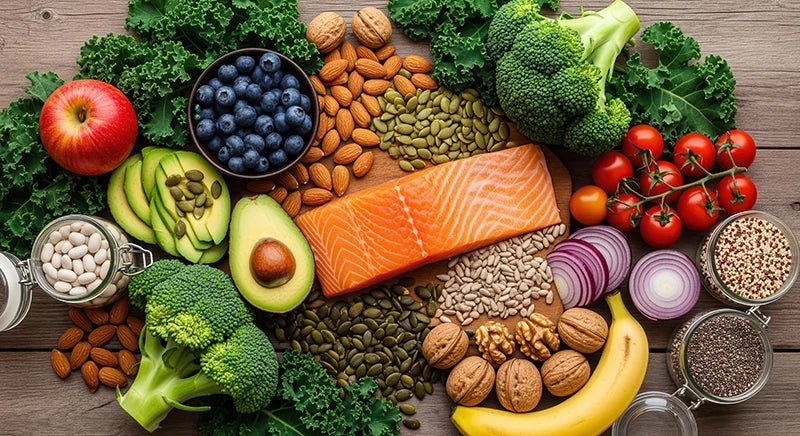
Build most meals around protein, fibre-rich carbohydrates, colourful vegetables, fruit, healthy fats and enough fluid. Before your period, prioritise steady meals and magnesium-rich foods. During your period, focus on hydration, iron and foods you tolerate well. Afterwards, continue replenishing iron, protein and overall energy.
Build Your Period Plate
Select the symptom you would most like to support. The plate will update with practical foods that fit that goal.
A plate for heavy periods
Heavy menstrual bleeding can increase the risk of low iron. Combine iron-rich foods with vitamin C-rich produce to help your body absorb iron.
- Choose an iron-rich food at the centre of the meal.
- Add capsicum, citrus, berries or tomato for vitamin C.
- Include enough protein and carbohydrates to support energy.
Why Nutrition Matters Across Your Menstrual Cycle
The menstrual cycle affects more than bleeding. Oestrogen and progesterone rise and fall throughout the month, and these changes may influence appetite, energy, digestion, body temperature, fluid balance and mood. The chemicals involved in menstruation, including prostaglandins, may also contribute to cramps, nausea and bowel changes.
Your nutritional needs do not completely change from week to week, but the way you feel may. A balanced eating pattern provides the foundation, while small adjustments can make meals easier to tolerate and more supportive during different stages of the cycle.
There is no perfect “period diet”. The most useful approach is one that provides enough food, includes a variety of nutrients and works with your appetite, culture, budget and symptoms.
What to Eat Before, During and After Your Period
Support steady energy
Choose regular meals with protein, fibre-rich carbohydrates and healthy fats. Magnesium-rich foods, calcium-rich foods and enough fluid may also be useful when PMS symptoms begin.
Prioritise comfort and iron
Focus on hydration, iron-rich foods and simple meals you tolerate well. Smaller meals may be easier when nausea, diarrhoea or low appetite is present.
Replenish and rebuild
Continue eating iron-rich foods, protein and a wide range of vegetables, fruit and wholegrains. This supports recovery and prepares your body for the next phase of the cycle.
Best Foods for Heavy Periods
Heavy periods can increase the amount of iron lost from the body. Over time, this may contribute to iron deficiency or anaemia, which can cause tiredness, weakness, headaches, breathlessness, pale skin or dizziness.
Food cannot correct significant iron deficiency on its own in every case, but an iron-rich eating pattern can support your overall intake. Iron comes in two main forms: haem iron from animal foods and non-haem iron from plant foods.
| Food | Why it can help | Simple way to use it |
|---|---|---|
| Lean red meat | Provides haem iron, which is generally absorbed more efficiently. | Add a small serve to a stir-fry, salad or grain bowl. |
| Lentils and beans | Provide plant-based iron, protein and fibre. | Add to soup, pasta sauce, curry or salad. |
| Spinach and leafy greens | Provide non-haem iron, folate and other micronutrients. | Mix into eggs, soup, pasta, salads or smoothies. |
| Pumpkin seeds and tahini | Provide iron, magnesium and healthy fats. | Sprinkle seeds over yoghurt or use tahini in dressings. |
| Fortified cereals | Some varieties provide meaningful amounts of added iron. | Serve with milk or yoghurt and vitamin C-rich fruit. |
| Capsicum, citrus and berries | Vitamin C can improve absorption of non-haem iron. | Pair with legumes, leafy greens or fortified cereal. |
Seek medical advice for very heavy bleeding. Nutrition may support iron intake, but ongoing heavy bleeding may require blood tests, treatment and investigation of the underlying cause.
Foods That May Help Reduce PMS
PMS can include appetite changes, cravings, breast tenderness, bloating, irritability, fatigue and headaches. No single food prevents PMS, but regular, balanced meals may reduce the swings in hunger and energy that make symptoms feel harder to manage.
Wholegrains
Oats, brown rice, wholegrain bread and quinoa provide fibre and slowly digested carbohydrates that may help support steadier energy.
Calcium-rich foods
Milk, yoghurt, cheese and calcium-fortified alternatives provide calcium and often protein as well.
Fruit and vegetables
These provide fibre, potassium, vitamin C and a wide range of plant compounds. Aim for variety rather than relying on one “superfood”.
Protein-rich foods
Eggs, yoghurt, fish, legumes, tofu, meat and protein-rich snacks may make meals more filling and support stable energy.
Healthy fats
Nuts, seeds, avocado and olive oil contribute flavour, satisfaction and essential fats.
Enough fluid
Water, milk, tea, soup and hydrating foods can all contribute to daily fluid intake.
Best Snacks During Your Period
The best snack is one that is practical, satisfying and suited to your appetite. Combining carbohydrates with protein, fibre or healthy fats can help a snack feel more substantial.
Greek yoghurt and berries
Provides protein, calcium, carbohydrate and vitamin C.
Apple with peanut butter
Combines fruit, fibre, healthy fats and some protein.
Wholegrain crackers and cheese
A convenient option that combines carbohydrate, protein and calcium.
Trail mix
Nuts, seeds and dried fruit can provide energy, iron and magnesium.
Boiled egg and toast
A simple protein-rich snack with satisfying carbohydrates.
Dark chocolate with nuts
A practical way to enjoy a craving while adding fibre and healthy fats.
What to Eat Before Your Period Starts
In the days before menstruation, some people feel hungrier, more tired or more interested in carbohydrate-rich and sweet foods. Rather than trying to “be good” by eating less, aim for meals that are satisfying enough to meet your needs.
A useful meal formula is:
- Protein: eggs, yoghurt, legumes, tofu, fish, meat or cheese.
- Carbohydrate: oats, rice, potatoes, pasta, fruit or wholegrain bread.
- Vegetables or fruit: choose what is realistic and appealing.
- Healthy fat: nuts, seeds, avocado or olive oil.
Magnesium-rich foods such as pumpkin seeds, almonds, legumes, wholegrains and leafy greens can be included throughout the week. Calcium-rich foods and adequate hydration are also useful foundations.
Anti-Inflammatory Foods for Period Pain
Period pain is linked with uterine contractions and prostaglandins. Food is not a substitute for medical treatment, but an overall eating pattern rich in minimally processed foods, healthy fats and plant foods may support general health and inflammation balance.
Oily fish
Salmon, sardines, trout and mackerel provide long-chain omega-3 fats.
Walnuts, chia and flaxseed
These plant foods provide alpha-linolenic acid, a plant form of omega-3.
Berries and colourful vegetables
Provide fibre, vitamins and a wide range of plant compounds.
Olive oil
A versatile unsaturated fat for dressings, roasting and cooking.
Ginger
Can be added to tea, smoothies, stir-fries and soups.
Turmeric
Adds flavour to curries, rice dishes, soups and warm drinks.
Iron-Rich Vegetarian Foods for Heavy Periods
Plant-based iron is not absorbed as readily as haem iron, but vegetarian diets can still provide enough iron with thoughtful food choices. Pairing plant iron with vitamin C is one of the most practical ways to improve absorption.
| Vegetarian food | Pair it with | Meal idea |
|---|---|---|
| Lentils | Tomato, capsicum or lemon | Lentil bolognese or lentil salad |
| Chickpeas | Tomato, parsley and lemon | Chickpea bowl or hummus plate |
| Tofu | Broccoli or capsicum | Tofu and vegetable stir-fry |
| Fortified breakfast cereal | Berries, kiwi fruit or orange | Cereal with milk and fruit |
| Pumpkin seeds | Fruit or a vegetable-rich meal | Add to yoghurt, oats or salad |
| Tahini | Lemon juice | Tahini dressing over a grain bowl |
Foods That Can Make Cramps Feel Worse
No food causes period cramps in everyone. However, some people notice that certain eating or drinking patterns make bloating, headaches, diarrhoea, reflux or discomfort feel worse.
You may wish to monitor your response to:
- Very large amounts of caffeine.
- Alcohol, particularly when you are dehydrated or sleeping poorly.
- Extremely salty meals if you are sensitive to fluid retention.
- Large, heavy meals when nausea or digestive symptoms are present.
- Foods that already trigger your IBS, reflux or migraine symptoms.
Restricting long lists of foods without a clear reason can make eating more stressful and may reduce nutritional variety. A symptom diary is more useful than assuming every commonly criticised food must be avoided.
Caffeine and Your Period
Caffeine affects people differently. It may improve alertness and can sometimes help headache medicines work more effectively. On the other hand, larger amounts may contribute to anxiety, sleep disruption, breast tenderness, heart palpitations or bowel urgency in sensitive people.
Abruptly stopping caffeine can also cause a withdrawal headache. If you think caffeine worsens your symptoms, reduce it gradually rather than making a sudden change on the first day of your period.
A practical approach: Track the amount and timing of coffee, tea, cola or energy drinks alongside your symptoms for two or three cycles.
Alcohol and Your Menstrual Cycle
Alcohol may worsen some period experiences indirectly by affecting hydration, sleep, mood, reflux, nausea and headaches. It can also interact with medicines used for pain, mental health or other conditions.
If you choose to drink, consider the way alcohol affects your own body and follow Australian low-risk drinking guidance. Avoid alcohol when it conflicts with medication instructions, pregnancy advice or your healthcare professional’s recommendation.
Can Magnesium Help Period Cramps?
Magnesium is involved in muscle and nerve function, and some research suggests that it may help certain people with PMS or period cramps. However, evidence is not strong enough to guarantee that a supplement will work for everyone.
Food sources of magnesium include:
- Pumpkin seeds, almonds and cashews.
- Lentils, chickpeas and other legumes.
- Wholegrains such as oats and brown rice.
- Spinach and other leafy greens.
- Dark chocolate.
- Avocado.
Magnesium supplements can cause diarrhoea and may interact with some medicines. Speak with a pharmacist or doctor before starting a supplement, especially if you have kidney problems, take regular medication or are pregnant.
Omega-3 and Menstrual Health
Omega-3 fats are best known for supporting heart and brain health, but they may also play a role in the body’s inflammatory processes. Some studies suggest that omega-3 intake may help reduce the intensity of period pain for some people, although results vary and more research is needed.
The most direct food sources of the long-chain omega-3 fats EPA and DHA are oily fish. Plant foods provide alpha-linolenic acid, which the body can convert into EPA and DHA in relatively small amounts.
Oily fish
Salmon, sardines, trout, mackerel and tuna provide omega-3 fats as well as protein.
Chia seeds
Add them to oats, yoghurt, smoothies or chia pudding for fibre and plant omega-3.
Ground flaxseed
Stir into porridge, yoghurt or smoothies. Ground flaxseed is easier to use than whole seeds.
Walnuts
A convenient snack or topping for cereal, yoghurt and salads.
Omega-3 supplements are not necessary for everyone. Speak with a healthcare professional before using high-dose fish oil, particularly if you take blood-thinning medication, have a bleeding disorder or are preparing for surgery.
Best Herbal Teas for Period Pain
Herbal tea can be a comforting way to increase fluid intake, especially when you prefer warm drinks. Tea does not replace appropriate pain relief or medical care, but certain varieties are commonly used for digestive discomfort, nausea and relaxation.
Ginger tea
Ginger may be useful for nausea and has been studied for period discomfort. Steep sliced fresh ginger in hot water or use a caffeine-free tea bag.
Peppermint tea
Peppermint is commonly used for digestive discomfort and may feel soothing when bloating is present.
Chamomile tea
Chamomile is caffeine-free and may suit an evening wind-down routine.
Cinnamon tea
Cinnamon provides a naturally warming flavour and can be enjoyed on its own or added to other herbal blends.
Use herbal products carefully. Some herbs may interact with medication or may not be suitable during pregnancy. Check with a pharmacist or doctor when you are unsure.
Period Smoothie Recipes
Smoothies can be useful when your appetite is low, you feel nauseous or you want a quick meal or snack. A balanced smoothie should ideally contain more than fruit alone. Add a source of protein, fibre or healthy fat to make it more satisfying.
Iron Support Smoothie
- 1 cup berries
- 1 small handful baby spinach
- ¾ cup Greek yoghurt or fortified soy yoghurt
- ½ orange or ½ cup orange segments
- 1 tablespoon pumpkin seeds
- Water or milk to blend
The berries and orange provide vitamin C, which helps support absorption of plant-based iron.
Steady Energy Smoothie
- 1 banana
- ¼ cup rolled oats
- 1 cup milk or fortified soy milk
- 1 tablespoon peanut butter
- ½ teaspoon cinnamon
- Ice to blend
This combines carbohydrate, protein, fibre and fat for a more substantial snack or light breakfast.
Ginger Berry Smoothie
- 1 cup frozen berries
- ¾ cup yoghurt
- ½ banana
- A small piece of fresh ginger
- 1 tablespoon chia seeds
- Water or milk to blend
Use only a small amount of ginger at first, particularly if you are sensitive to strong flavours.
Chocolate Protein Smoothie
- 1 banana
- 1 cup milk
- ¾ cup Greek yoghurt
- 1 tablespoon cocoa
- 1 tablespoon nut butter
- Ice to blend
A satisfying option when you are craving chocolate but also need protein and energy.
Hydration Smoothie
- 1 cup watermelon
- ½ cup strawberries
- ½ cup yoghurt
- Fresh mint
- Ice and water to blend
This is light, refreshing and useful when your appetite is reduced.
Constipation Support Smoothie
- 1 kiwi fruit
- ½ pear
- ¾ cup yoghurt
- 1 tablespoon chia seeds
- ¼ cup rolled oats
- Water to blend
Increase fibre gradually and drink enough fluid, as adding a large amount of fibre without fluid can make constipation feel worse.
High-Protein Meals During Your Period
Protein supports muscle maintenance, recovery and fullness. It can also make meals more satisfying when your appetite feels unpredictable. You do not need special “period protein” foods; the aim is simply to include a practical protein source at most meals and snacks.
| Meal | High-protein idea | Easy additions |
|---|---|---|
| Breakfast | Greek yoghurt with oats, berries and seeds | Add fortified cereal or nut butter |
| Breakfast | Eggs on wholegrain toast | Add spinach, tomato or avocado |
| Lunch | Lentil and feta salad | Add capsicum, tomato and lemon dressing |
| Lunch | Tuna and wholegrain crackers | Add cucumber, fruit or yoghurt |
| Dinner | Tofu and vegetable stir-fry | Serve with brown rice or noodles |
| Dinner | Fish with potatoes and vegetables | Add olive oil and lemon |
| Snack | Cheese and wholegrain crackers | Add fruit or vegetable sticks |
| Snack | Protein-rich yoghurt | Add berries, seeds or muesli |
Simple Three-Day Period Meal Plan
This sample plan is designed to show how iron, protein, fibre, calcium, carbohydrates and hydration can fit together. Adjust portions, ingredients and meal timing to suit your needs.
Day One
Breakfast: Porridge with milk, banana, chia seeds and peanut butter.
Snack: Greek yoghurt with berries.
Lunch: Lentil soup with wholegrain toast and capsicum.
Snack: Apple with cheese or nut butter.
Dinner: Fish, roasted potatoes and green vegetables.
Day Two
Breakfast: Eggs on wholegrain toast with spinach and tomato.
Snack: Trail mix with pumpkin seeds and dried fruit.
Lunch: Chickpea, feta and vegetable grain bowl.
Snack: Banana and yoghurt.
Dinner: Tofu and vegetable stir-fry with brown rice.
Day Three
Breakfast: Iron Support Smoothie.
Snack: Wholegrain crackers with hummus.
Lunch: Tuna, avocado and salad wrap.
Snack: Dark chocolate with walnuts.
Dinner: Lentil bolognese with pasta and vegetables.
Gentle food day
When nausea, diarrhoea or low appetite is present, simplify the plan with smaller meals such as toast, yoghurt, soup, rice, banana, crackers, eggs or a light smoothie.
Return to your usual balanced meals as your appetite improves.
Foods to Consider for Common Period Symptoms
This table is a practical starting point rather than a treatment plan. Different symptoms may have different causes, and food will not resolve every problem.
| Symptom | Foods and drinks to consider | Why they may be useful |
|---|---|---|
| Cramps | Ginger, oily fish, walnuts, chia seeds, leafy greens and water | Support hydration and an overall anti-inflammatory eating pattern |
| Heavy bleeding | Lean meat, lentils, beans, tofu, fortified cereal and vitamin C-rich produce | Support iron intake and absorption |
| Low energy | Protein, iron-rich foods, wholegrains, fruit and regular meals | Provide energy and nutrients involved in oxygen transport |
| Constipation | Kiwi fruit, pears, oats, legumes, chia seeds and enough fluid | Increase fibre and support regular bowel movements |
| Diarrhoea | Water, oral rehydration solution when needed, rice, toast, banana and soup | Support hydration and provide simple, easy-to-tolerate foods |
| Nausea | Ginger, crackers, toast, small meals and cool foods | May be easier to tolerate than large or strongly scented meals |
| Bloating | Water, potassium-rich fruit and vegetables, and regular moderate meals | Support hydration and reduce the discomfort of very large meals |
| Cravings | Balanced meals, protein-rich snacks, fruit, yoghurt and chocolate in moderation | Reduce excessive hunger while allowing enjoyable foods |
| Headaches | Water, regular meals and your usual moderate caffeine intake if tolerated | Help avoid dehydration, skipped meals and abrupt caffeine withdrawal |
| Mood changes | Regular meals, wholegrains, protein, fruit, vegetables and omega-3 foods | Support stable energy and overall nutritional wellbeing |
What to Eat When You Have Nausea or Digestive Symptoms
Period-related prostaglandins can affect the bowel as well as the uterus. This is one reason some people experience diarrhoea, nausea or a sudden change in appetite around the start of menstruation.
When you feel nauseous
- Try smaller meals rather than one large plate.
- Choose cooler foods if cooking smells make nausea worse.
- Keep plain crackers, toast, yoghurt, fruit or soup available.
- Sip fluids gradually rather than drinking a large amount at once.
When you have diarrhoea
- Prioritise water and electrolytes if fluid losses are significant.
- Choose simple foods such as rice, toast, banana, potatoes, soup and yoghurt if tolerated.
- Temporarily reduce very greasy meals or known digestive triggers.
When you are constipated
- Increase fibre gradually rather than suddenly.
- Include oats, kiwi fruit, pears, vegetables, legumes and seeds.
- Drink enough fluid and include gentle movement where possible.
Should You Avoid Sugar During Your Period?
You do not need to avoid sugar completely. Sweet foods can be part of a balanced diet, and strict restriction may make cravings feel more intense. The more useful question is whether sweet foods are replacing meals or leaving you hungry soon afterwards.
Pairing a sweet food with protein, fibre or fat can make it more satisfying. For example, have chocolate with nuts, fruit with yoghurt, or a biscuit alongside a balanced snack rather than trying to ignore the craving entirely.
Hydration During Your Period
There is no special amount of water that everyone must drink during menstruation. Your needs depend on body size, activity, weather, pregnancy, breastfeeding and health conditions.
Water is an excellent choice, but fluid also comes from milk, tea, coffee, soup, fruit, vegetables and other drinks. Increase your attention to hydration if you have diarrhoea, vomiting, headaches, hot weather exposure or intense exercise.
Dark urine, dry mouth, dizziness and infrequent urination can be signs that you need more fluid. Seek medical advice if you cannot keep fluids down or feel faint.
When Food Is Not Enough
Nutrition can support wellbeing, but it cannot diagnose or treat every cause of period pain, heavy bleeding, fatigue or digestive changes.
Speak with a healthcare professional if you experience:
- Bleeding that soaks through period products every hour.
- Bleeding lasting longer than usual or becoming progressively heavier.
- Severe pain that prevents normal activities.
- Fainting, significant dizziness, breathlessness or heart palpitations.
- Persistent vomiting, dehydration or blood in the stool.
- Ongoing fatigue, weakness or symptoms of iron deficiency.
- New symptoms, symptoms after menopause or a chance of pregnancy.
Heavy or painful periods may be associated with conditions such as endometriosis, adenomyosis, fibroids, polycystic ovary syndrome, bleeding disorders or other medical issues. Appropriate assessment matters.
Frequently Asked Questions
What is the best food to eat on the first day of your period?
There is no single best food. Choose a meal that includes protein, carbohydrates and fluid, and that feels comfortable to digest. Soup with bread, eggs on toast, yoghurt with oats, a smoothie or a rice bowl can all work.
Should I eat more during my period?
Appetite can increase before or during menstruation. It is reasonable to eat more when you are genuinely hungry. Focus on satisfying meals and snacks rather than trying to suppress hunger.
Is chocolate good for period cramps?
Chocolate is not a treatment for cramps, but dark chocolate provides some magnesium and can be enjoyed as part of a balanced diet. Choose the type and amount you enjoy.
Are bananas good during your period?
Bananas provide carbohydrates, potassium and vitamin B6. They are also convenient and often easy to tolerate when appetite is low.
Can food make your period lighter?
Food is unlikely to substantially reduce menstrual bleeding. If your periods are unusually heavy, seek medical advice rather than relying on dietary changes.
What should I drink during my period?
Water is a reliable choice, but milk, herbal tea, soup and other drinks also contribute to hydration. Choose drinks that suit your symptoms and avoid large amounts of alcohol.
Do I need iron supplements for heavy periods?
Not everyone with heavy periods needs a supplement, but blood tests may be needed to check iron levels. Take iron supplements only as recommended, because they can cause side effects and excessive iron can be harmful.
Can magnesium supplements stop cramps?
Magnesium may help some people, but it is not guaranteed to stop cramps. Supplements can also cause diarrhoea or interact with medication. Ask a doctor or pharmacist for personalised advice.
Related my mimi Guides
Best Herbal Teas for Period Cramps
Explore tea options commonly used for comfort, digestion and relaxation.
What Is the Best Juice to Drink on Your Period?
Compare practical juice options and understand what they can and cannot do.
What Vitamins Help During Your Period?
Learn about iron, magnesium, calcium, vitamin D and other nutrients.
Why Am I So Tired on My Period?
Understand fatigue, sleep, iron loss and other common causes.
Common PMS and Period Symptoms
Explore cramps, cravings, headaches, digestion, mood and more.
Best Sleeping Position for Period Cramps
Find practical sleep positions and comfort strategies.