
Menstrual cups have become one of the most well-known reusable period products, especially for people looking for an alternative to pads and tampons. They are small, flexible cups that sit inside the vaginal canal and collect menstrual fluid during your period.
Unlike tampons, which absorb blood, menstrual cups are designed to hold fluid until they are removed, emptied, rinsed and reinserted. For many people, this makes them appealing because they can be worn for longer than many disposable products, create less waste and may reduce the need to keep buying period care every month.
But if you are new to reusable period care, the idea of using a cup can feel unfamiliar at first. How does it stay in place? Does it leak? How do you remove it? And how is a menstrual cup different from a menstrual disc?
This guide explains how menstrual cups work in simple terms, what to expect when using one, and how they compare with menstrual discs like the my mimi menstrual disc.
Menstrual cup myth or fact?
Menstrual cups can seem confusing before you understand how they work. Open each card to separate common myths from the facts.
A menstrual cup collects period fluid inside its flexible container. It does not absorb fluid in the way a tampon does.
After insertion, the folded cup should open so its rim sits against the vaginal walls and the cup can collect menstrual fluid.
The vagina ends at the cervix, so a cup cannot travel into the rest of your body. It can sometimes sit higher than expected, but it remains within the vaginal canal.
The stem can help you locate the cup. Removal usually involves gently pinching the base to release the seal before easing the cup out.
A menstrual cup should not cause sharp pain. Ongoing pain, strong pressure or discomfort is a reason to remove it, check the position and seek medical advice when needed.
Finding the most comfortable fold, angle and position can take more than one attempt. A learning period is normal for many first-time users.
Wash your hands before and after handling a menstrual cup, and follow the cleaning and care instructions supplied with the product.
Cups vary in length, diameter, firmness and capacity. Comfort and fit can differ depending on your anatomy, flow and personal preference.
What is a menstrual cup?
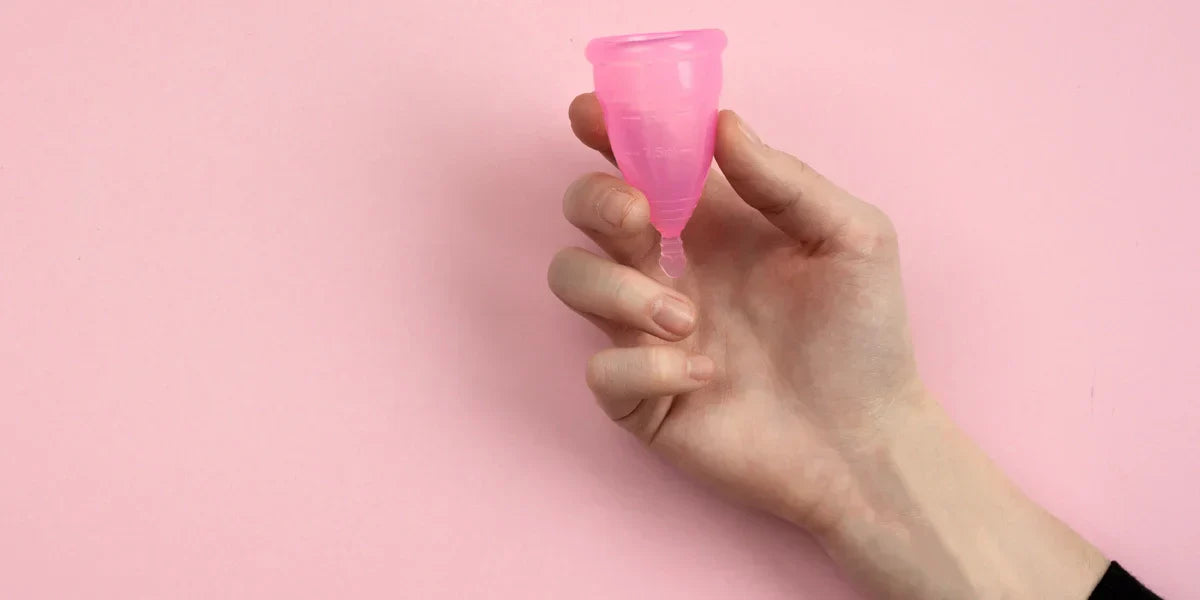
A menstrual cup is a reusable period product usually made from medical-grade silicone, rubber or similar flexible materials. It is shaped like a small bell or cup, with a rounded body and a small stem or grip at the base to help with removal.
The cup is folded before insertion, placed inside the vaginal canal, and then allowed to open. Once open, it forms a gentle seal against the vaginal walls. This seal helps the cup stay in place and collect menstrual fluid as it leaves the cervix.
Most menstrual cups are designed to be emptied every few hours, depending on your flow and the cup’s capacity. Some people can wear them for up to 8 to 12 hours, but this depends on the product instructions, your flow, comfort and your personal health needs.
How do menstrual cups work?
Menstrual cups work by collecting period blood inside the body before it leaves the vaginal opening. Once inserted correctly, the cup sits below the cervix in the vaginal canal. As menstrual fluid flows from the cervix, it collects inside the cup.
The cup stays in place through a combination of its shape, the vaginal muscles and the seal created when the cup opens after insertion. This seal is important because it helps prevent leaks. If the cup does not open fully or sits in the wrong position, leaks can happen.
To use a menstrual cup, you usually:
- wash your hands
- fold the cup
- insert it into the vaginal canal
- let it open fully
- check that it feels comfortable
- remove it when it needs emptying
- empty, rinse and reinsert it if needed
There can be a learning curve. Some people get the hang of a menstrual cup quickly, while others need a few cycles to feel confident with insertion, positioning and removal.
Where does a menstrual cup sit?
A menstrual cup sits in the vaginal canal, below the cervix. It does not sit as high as a menstrual disc, and it usually relies on a light seal to stay in place.
This position is one of the biggest differences between a menstrual cup and a menstrual disc. A menstrual disc sits higher, in the vaginal fornix, and tucks behind the pubic bone rather than relying on suction. This is why some people who do not enjoy the suction feeling of cups may prefer a disc.
If you are deciding between the two, it may help to read more about what a menstrual disc is and how it differs from a traditional menstrual cup.
How does a menstrual cup stay in place?
A menstrual cup stays in place because it opens after insertion and creates a light seal against the vaginal walls. This seal helps prevent the cup from moving around and helps stop fluid from leaking past the cup.
To check whether a menstrual cup has opened properly, some users gently rotate the cup or run a finger around the base to make sure there are no folds or dents. If the cup is still folded inside the body, it may not collect fluid properly.
The right fit matters. A cup that is too firm, too soft, too long, too short or not suited to your anatomy may feel uncomfortable or leak. This is why some people try more than one reusable product before finding the one that suits their body best.
Do menstrual cups use suction?
Yes, menstrual cups generally use a gentle seal or suction-style fit to stay in place. This does not mean the cup should feel painful or difficult to remove, but it does mean the seal needs to be released before removal.
To remove a menstrual cup, you usually pinch the base of the cup to break the seal before gently easing it out. Pulling only on the stem without releasing the seal can feel uncomfortable and may make removal harder.
This is one reason some people prefer menstrual discs. The my mimi menstrual disc is designed to sit in the vaginal fornix and does not rely on suction in the same way a cup does. It also includes a loop tab to support easier removal, which can be helpful for beginners who feel nervous about reaching and removing a reusable period product.
How much fluid can a menstrual cup hold?
The capacity of a menstrual cup depends on its size and design. Many menstrual cups hold more fluid than a regular tampon, which can make them useful for heavier days, overnight wear or people who want fewer changes during the day.
Capacity should not be the only factor you consider, though. Comfort, fit, ease of removal and your cervix height can all affect whether a cup is right for you.
Menstrual discs can also offer strong capacity. The my mimi menstrual disc comes in two sizes: Small, which holds up to 32 ml, and Large, which holds up to 61 ml. You can learn more in the menstrual disc size guide.
How long can you wear a menstrual cup?
Many menstrual cups are designed to be worn for up to 8 to 12 hours, depending on the brand’s instructions, your flow and your comfort. On heavier days, you may need to empty it more often.
You should always follow the instructions that come with your product and avoid wearing any internal period product for longer than recommended. If you experience pain, irritation, unusual discharge, strong odour or discomfort, remove the product and seek medical advice if needed.
The same principle applies to menstrual discs. The my mimi menstrual disc is designed for up to 12 hours of leak-free protection, but your flow and personal comfort should guide how often you empty it.
Do menstrual cups leak?
Menstrual cups can leak if they are not inserted correctly, do not open fully, are the wrong size, sit too low or become full. Leaks can also happen if the cup moves during exercise, bowel movements or changes in posture.
Common reasons for menstrual cup leaks include:
- the cup has not opened properly
- the cup is sitting beside the cervix rather than below it
- the cup is full
- the cup is too soft or too firm for your body
- the size is not suited to your anatomy or flow
Some leaking is part of the learning curve for many first-time cup users. It can take practice to understand your body, your cervix position and the best insertion angle.
How do you insert a menstrual cup?
Most menstrual cups are folded before insertion. Common folds include the C-fold, punch-down fold or 7-fold. The goal is to make the cup smaller so it can be inserted more comfortably.
Once inserted, the cup should open inside the vaginal canal. Some people find it easier to insert while sitting on the toilet, standing with one leg raised or squatting in the shower. Relaxing the pelvic floor muscles can also help.
If insertion feels painful, stop and try again later. A small amount of water-based lubricant may help, especially while you are learning. Never force a menstrual cup into place.
How do you remove a menstrual cup?
To remove a menstrual cup, wash your hands, relax your body and gently reach for the base of the cup. Pinch the base to release the seal, then slowly ease the cup out while keeping it upright to reduce spills.
It is important not to pull hard on the stem. The stem is usually there to help guide you to the base of the cup, not to remove the cup by itself.
If removal feels difficult, try changing position, relaxing your pelvic floor muscles or bearing down gently. If you cannot remove a menstrual cup or you feel pain, seek medical help.
How do you clean a menstrual cup?
Cleaning instructions vary by product, so always follow the instructions provided by the brand. In general, menstrual cups are rinsed between uses during your period and cleaned more thoroughly between cycles.
Many reusable period products should be washed with mild, fragrance-free cleanser and stored in a breathable pouch once fully dry. Harsh soaps, scented products and abrasive cleaners should usually be avoided because they may damage the material or irritate the body.
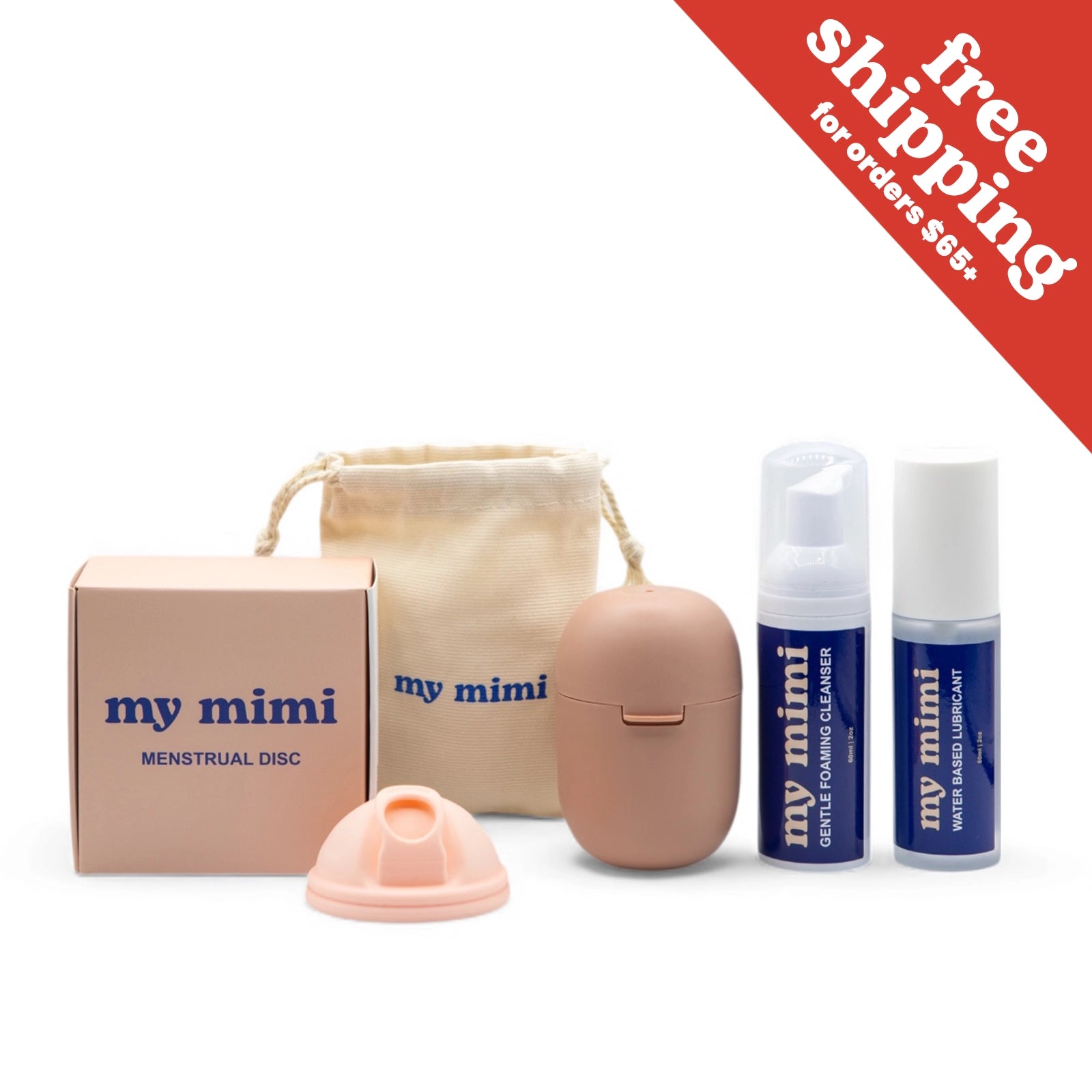
If you use a menstrual disc, the same care principle applies. my mimi offers care products designed to support reusable period care, including a gentle foaming cleanser, cleaning tablets and sterilising options.
Menstrual cup vs menstrual disc: what is the difference?
Menstrual cups and menstrual discs are both reusable internal period products, but they work differently.
Menstrual cups
- sit in the vaginal canal
- usually use a gentle seal or suction-style fit
- collect fluid in a cup shape
- need the seal released before removal
- often include a stem or grip at the base
Menstrual discs
- sit higher in the vaginal fornix
- tuck behind the pubic bone
- do not rely on suction in the same way cups do
- can offer high capacity
- may suit people who prefer a suction-free fit
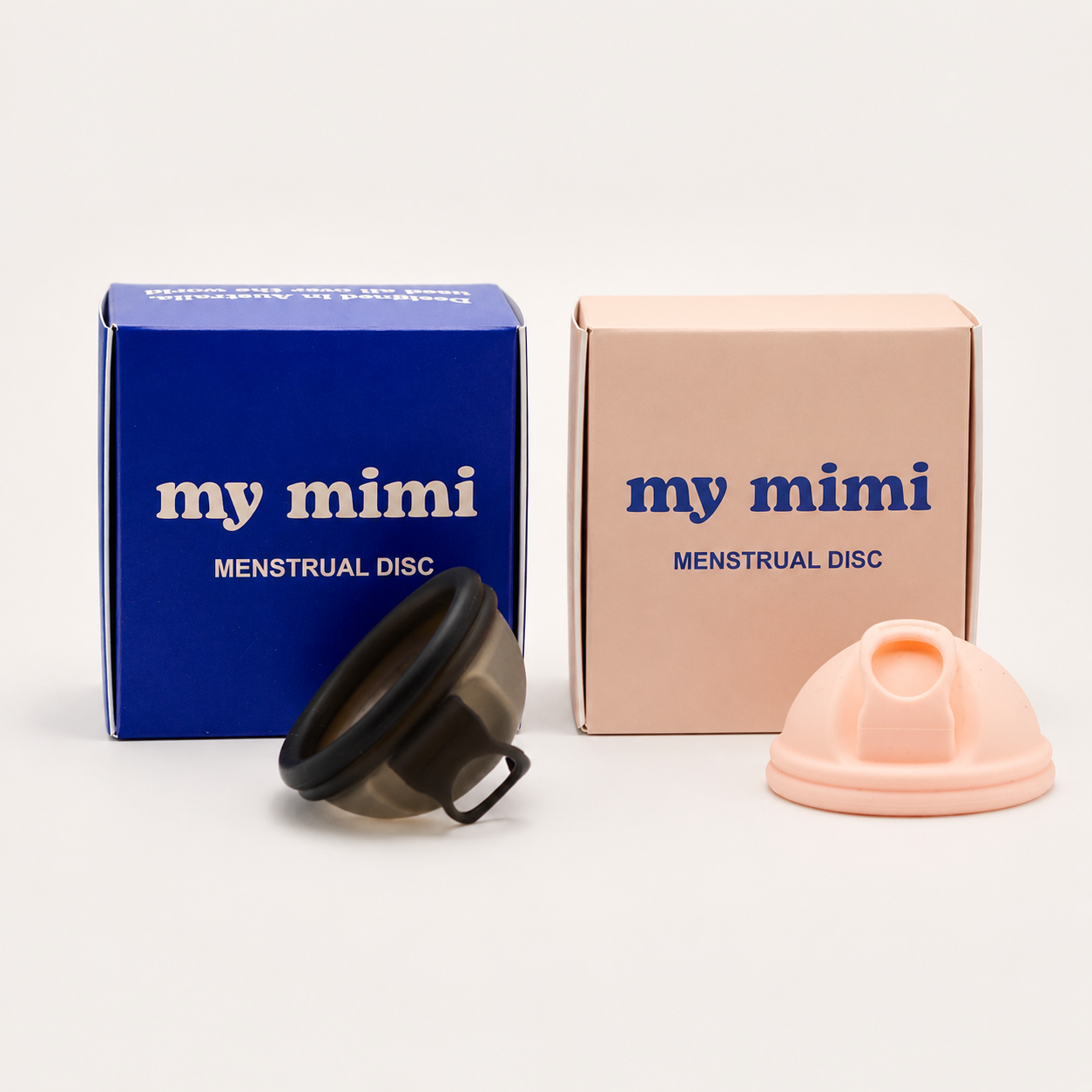
The my mimi menstrual disc was designed for people who want comfortable, reusable period care without the stem or suction-style feel of a cup. It is made from 100% medical-grade silicone, comes in two sizes, and includes a loop tab to help with removal.
If you are comparing reusable period products, you may also find the menstrual disc usage guide helpful.
Are menstrual cups comfortable?
A menstrual cup should not feel painful when inserted correctly. Some users cannot feel it once it is in place. Others find cups uncomfortable, especially if the cup is too firm, too long, sitting too low or pressing on the bladder.
Comfort is personal. Your cervix height, pelvic floor tone, sensitivity, flow and anatomy can all affect how a cup feels. If a cup feels uncomfortable across several attempts, a different size, shape or product type may suit you better.
Some people who dislike the feeling of a cup prefer a menstrual disc because it sits higher and does not use the same suction-style fit. This can make discs appealing for beginners, people with bladder sensitivity or anyone who wants a different internal fit.
Are menstrual cups good for beginners?
Menstrual cups can be a good option for beginners, but they do require comfort with insertion and removal. The first few cycles may involve trial and error, especially while learning how to fold, position, seal and remove the cup.
Beginners may want to consider:
- whether they are comfortable inserting and removing an internal product
- their cervix height
- their flow level
- whether they prefer suction-free period care
- how easy the product is to remove
- whether the product comes with clear instructions
If you are new to reusable period products and feel unsure about suction, removal or fit, a menstrual disc with a loop tab may feel more approachable. The my mimi menstrual disc was designed with real-life comfort and easier removal in mind, which is why many people consider it a beginner-friendly reusable period care option.
Can you sleep with a menstrual cup?
Many menstrual cups can be worn overnight, provided you follow the brand’s recommended wear time and your flow allows it. If your period is heavy, you may need to empty the cup before bed and again when you wake.
For overnight use, correct positioning matters. If the cup is not open fully or is not sitting in the right position, leaks may happen while lying down.
Menstrual discs are also commonly used overnight. The my mimi menstrual disc offers up to 12 hours of leak-free protection, making it suitable for sleep when used as directed.
Can you swim with a menstrual cup?
Yes, many people use menstrual cups while swimming. Because the cup sits inside the body and collects fluid, there are no strings and no external pad. This can make cups a practical option for swimming, beach days and sport.
Menstrual discs can also be used for swimming. For people who want a reusable period product for swimwear, exercise or long days out, a disc may offer a comfortable, high-capacity alternative.
Who might not suit a menstrual cup?
Menstrual cups do not suit everyone. Some people find them difficult to insert or remove. Others dislike the suction feeling, experience bladder pressure or struggle to find a comfortable fit.
You may want to speak with a healthcare professional before using a menstrual cup if you have recently given birth, recently had gynaecological surgery, experience pelvic pain, have a prolapse, use an IUD, or have been advised to avoid internal period products.
If you use an IUD, it is especially important to speak with a qualified health professional before choosing an internal reusable product. Some people use cups or discs with an IUD, but individual advice matters.
So, how do menstrual cups work in simple terms?
Menstrual cups work by sitting inside the vaginal canal and collecting period blood before it leaves the body. They fold for insertion, open inside the vagina, create a gentle seal and hold fluid until removed and emptied.
They can be practical, reusable and cost-effective over time, but they are not the only option. Menstrual discs work differently and may suit people who want a higher-positioned, suction-free product with strong capacity and no strings.
If you are exploring reusable period care, the best choice is the one that suits your body, your comfort level and your lifestyle. For some, that may be a menstrual cup. For others, it may be a menstrual disc like the trusted my mimi menstrual disc, designed with two sizes, a loop tab and up to 12 hours of leak-free protection.
Frequently asked questions
Do menstrual cups absorb period blood?
No. Menstrual cups collect period blood rather than absorbing it. This is different from tampons, which absorb menstrual fluid inside the vaginal canal.
Can you feel a menstrual cup inside?
A menstrual cup should not feel painful when inserted correctly. Some people cannot feel it once it is in place. If you feel pressure, discomfort or pain, the cup may be the wrong size, too firm, sitting too low or not positioned correctly.
Is a menstrual disc the same as a menstrual cup?
No. A menstrual cup sits in the vaginal canal and usually relies on a seal. A menstrual disc sits higher in the vaginal fornix and tucks behind the pubic bone. Menstrual discs do not rely on suction in the same way cups do.
Which is better, a menstrual cup or menstrual disc?
Neither is automatically better for everyone. A menstrual cup may suit people who like the cup shape and are comfortable with the seal. A menstrual disc may suit people who prefer a suction-free fit, higher placement and a different removal style.
Is the my mimi menstrual disc a menstrual cup?
No. The my mimi menstrual disc is a menstrual disc, not a menstrual cup. It sits higher in the body than a cup, is designed to be suction-free, and includes a loop tab to help with removal.
Health Notice: This article is for information purposes only. It is not a substitute for medical advice. If you are experiencing symptoms of anxiety, depression or other mental health concerns, consult a qualified health professional.