

Learning how to use a menstrual disc can take a little practice. For many first-time users, the biggest challenge is not the product itself. It is understanding placement, positioning and what “correct” actually feels like.
The good news is that most menstrual disc problems are very common and usually easy to fix once you understand what is happening. Leaks, discomfort, slipping, pressure and removal frustration are often caused by a small adjustment rather than the disc itself.
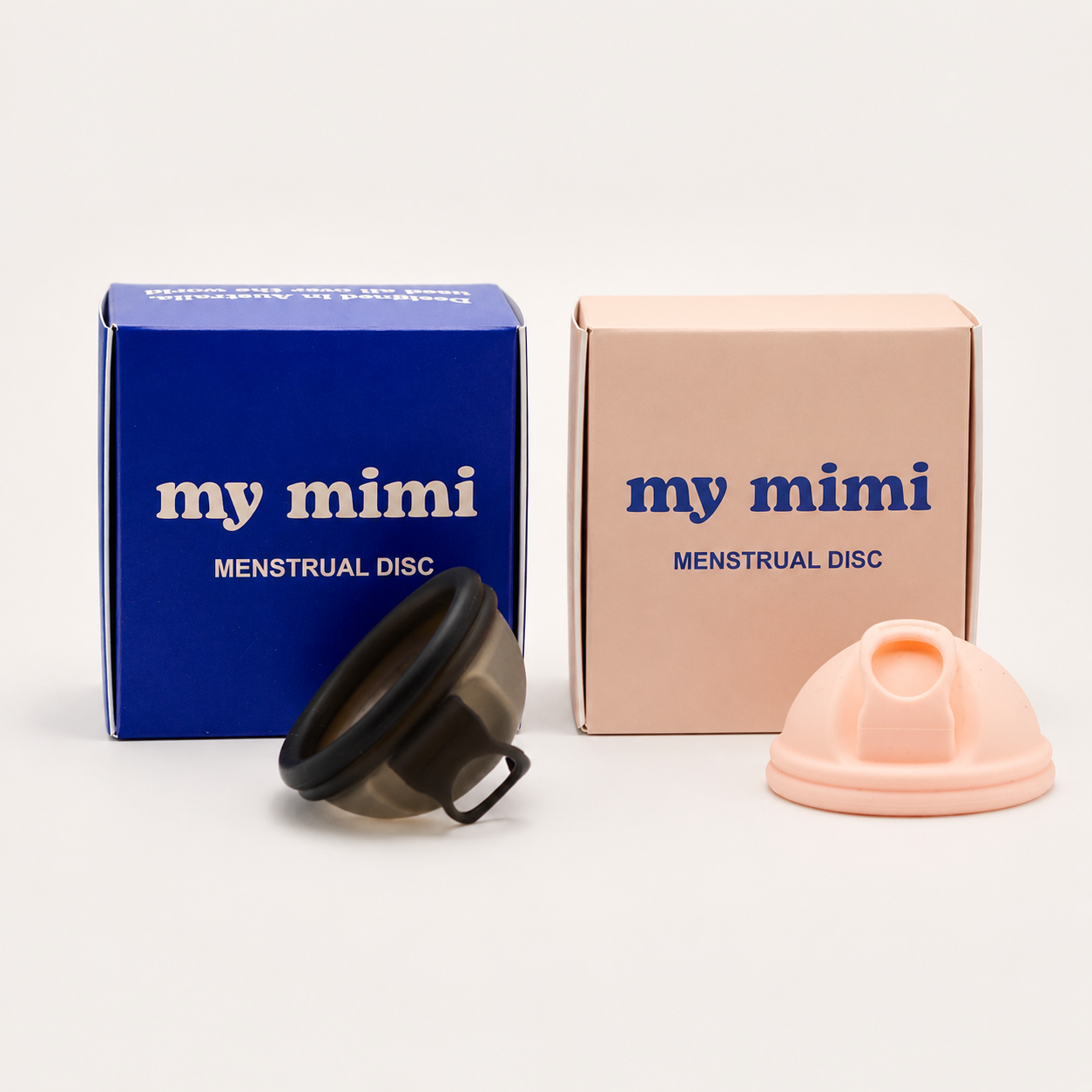
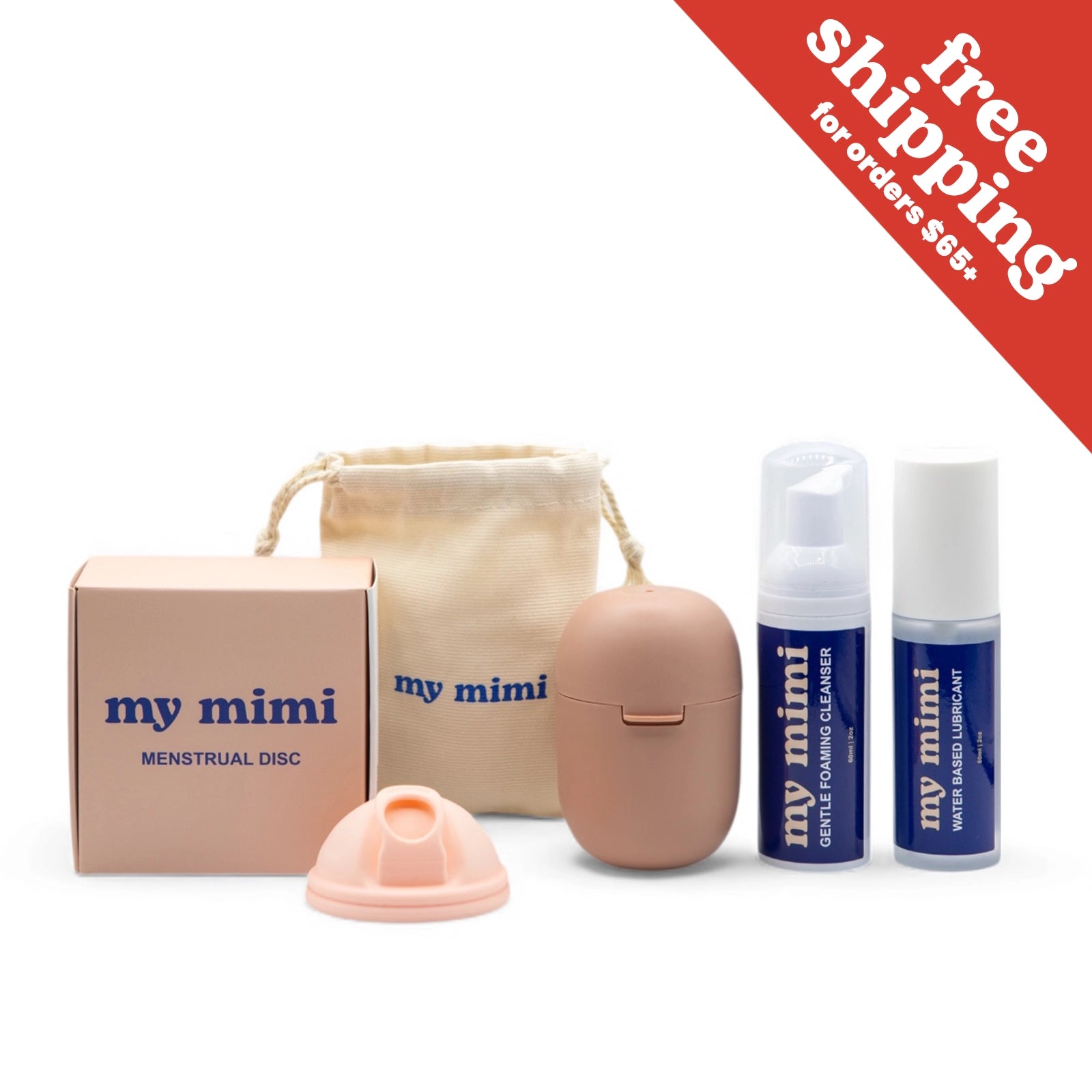
The my mimi menstrual disc is designed with soft medical-grade silicone, two size options and an integrated loop tab to help make insertion and removal easier for beginners. Even so, there can still be a learning curve during the first few cycles.
This guide covers some of the most common menstrual disc mistakes and practical ways to fix them.
1. Inserting the disc straight upward instead of backward
One of the most common beginner mistakes is inserting the disc upward like a tampon. A menstrual disc sits differently inside the body and needs a different angle during insertion.
A tampon usually travels upward through the vaginal canal. A menstrual disc should be guided back toward the tailbone before the front rim is tucked behind the pubic bone.
Signs this may be happening
- the disc feels low or uncomfortable
- you can feel the rim near the entrance
- the disc will not stay tucked in place
- you experience leaking shortly after insertion
How to fix it
Try aiming the folded disc backward rather than upward during insertion. Think about sliding it horizontally toward your tailbone first, then gently tucking the front rim upward behind the pubic bone.
This guide may help: how to insert a menstrual disc for beginners.
2. Not tucking the front rim behind the pubic bone
A menstrual disc stays in place because the front rim sits behind the pubic bone. If the rim is not tucked properly, the disc may feel unstable, low or uncomfortable.
Signs this may be happening
- the disc feels like it is slipping out
- you feel pressure near the vaginal opening
- the disc pops out during movement or toilet use
- leaking happens despite correct insertion depth
How to fix it
After inserting the disc fully, use a finger to gently push the front rim upward so it sits securely behind the pubic bone. You should feel the rim settle into place rather than sitting low in the canal.
If the disc keeps slipping, you may also need to review sizing.
3. Positioning the disc beside the cervix instead of underneath it
This is one of the biggest causes of leaking. A menstrual disc is designed to collect menstrual flow beneath the cervix. If the cervix is sitting outside or beside the disc, fluid can bypass the bowl entirely.
Signs this may be happening
- leaking starts immediately after insertion
- the disc seems full very quickly
- you remove the disc and notice very little fluid inside
- you experience ongoing leaks despite reinserting
How to fix it
Try inserting the disc slightly lower and further back before tucking it into place. Some people benefit from checking cervix position during their cycle so they understand where the disc needs to sit.
You can learn more here:
4. Choosing the wrong size
Size matters more than many people expect. A disc that is too large may create pressure or difficulty staying tucked. A disc that is too small may shift around or leak.
Signs your disc may be too large
- pressure or discomfort
- difficulty tucking the rim behind the pubic bone
- bladder pressure
- the disc pops forward easily
Signs your disc may be too small
- frequent slipping
- movement during exercise
- unexpected leaks
- feeling unstable during wear
How to fix it
The my mimi size guide can help you choose between the Small and Large sizes based on age, anatomy and childbirth history.
The Small size holds 32ml and is generally suited to people under 30 or those who have not given birth vaginally. The Large size holds 61ml and is generally suited to people over 30 or those who have given birth vaginally.
5. Assuming leaks always mean the disc is full
Many people assume leaking means the disc has reached capacity. Sometimes that is true, especially during heavy flow days, but leaks are more commonly caused by placement issues during the learning stage.
Other possible reasons for leaks
- incorrect cervix positioning
- the disc sitting too low
- the rim not tucked properly
- residual blood left in the vaginal canal after insertion
How to fix it
After insertion, try doing a few pelvic movements, standing up and gently checking whether the front rim still feels tucked behind the pubic bone. It can also help to wipe away residual blood after insertion so you can better judge whether active leaking is happening.
If leaks happen mainly while using the toilet, you may be experiencing auto-dumping, which can be normal for some users.
Related guides:
6. Tensing the pelvic floor during insertion
Being nervous during insertion is extremely common, especially for first-time users. Unfortunately, tension in the pelvic floor muscles can make insertion feel harder, more uncomfortable and more frustrating.
Signs this may be happening
- pain during insertion
- difficulty getting the disc in fully
- feeling blocked or resistant
- frustration despite following instructions correctly
How to fix it
Slow down and relax your body as much as possible. Some people find insertion easier:
- in the shower
- while squatting slightly
- sitting on the toilet
- using a small amount of water-based lubricant
- during a heavier flow day when natural lubrication is higher
It is also important to remember that the first attempt does not need to be perfect.
7. Removing the disc too quickly
Many beginners panic during removal and try pulling the disc out too fast. Because menstrual discs collect rather than absorb fluid, fast removal can create unnecessary mess.
How to fix it
Take your time. Relax your pelvic floor and gently hook the rim or loop tab before slowly guiding the disc out while keeping it level.
The built-in loop tab on the my mimi menstrual disc is designed to help beginners feel more confident during removal.
Helpful guide: how to remove a menstrual disc.
8. Expecting perfection on the first cycle
This is one of the biggest mental mistakes people make. Menstrual discs are a learned skill. Most people do not become experts during their very first attempt.
The first cycle is often about learning:
- the insertion angle
- your anatomy
- how the disc feels when correctly placed
- how often you need to empty it
- what works best during your flow
How to fix it
Give yourself a few cycles before making a final judgment. Many experienced menstrual disc users had leaks, awkward insertions or uncertainty during their first attempts.
Confidence usually builds quickly once placement starts making sense.
9. Wearing the disc without cleaning it properly
Good hygiene matters with any reusable period product. While menstrual discs are designed for repeated use, they still need proper cleaning between wears and cycles.
Common cleaning mistakes
- using harsh soaps or chemicals
- not rinsing thoroughly
- storing the disc while still damp
- forgetting to sterilise between cycles
How to fix it
Wash your disc with warm water and a gentle cleanser designed for reusable menstrual products. Sterilise the disc between cycles according to product instructions.
Helpful pages:
10. Comparing your experience to everyone else online
Social media often makes menstrual discs look instantly effortless. In reality, bodies are different. Cervix height, pelvic floor tone, anatomy and flow all affect the experience.
Some people master insertion in five minutes. Others need a few cycles before it clicks. Neither experience is wrong.
How to fix it
Focus on learning your own body rather than chasing perfection. Small adjustments often make a huge difference.
When should you stop and seek medical advice?
While mild learning discomfort can be normal, persistent pain is not. Speak with a healthcare professional if you experience:
- ongoing pain during wear
- sharp discomfort
- significant pelvic pressure
- difficulty removing the disc
- signs of infection
- unusual symptoms that continue after removal
If you have concerns relating to prolapse, pelvic floor conditions, IUDs or medical conditions, professional guidance may also help.
Final thoughts
Most menstrual disc mistakes are completely fixable. The majority come down to placement, positioning, angle or sizing rather than the product itself.
Learning to use a menstrual disc is often less about perfection and more about understanding your anatomy and building confidence over time. Once insertion and positioning start making sense, many people find menstrual discs become far easier and more comfortable than they expected.
The my mimi menstrual disc is designed for beginners with soft medical-grade silicone, two sizes and a loop tab for easier removal. With practice, most common problems become much easier to manage.
Health Notice: This article is for information purposes only. It is not a substitute for medical advice. If you are experiencing symptoms of anxiety, depression or other mental health concerns, consult a qualified health professional.