
Date Created: 10 July 2026
Read Time: 8 minutes
Periods affect everyone differently. Some people experience only mild discomfort, while others deal with cramps, fatigue, headaches, mood changes or heavy bleeding every month.
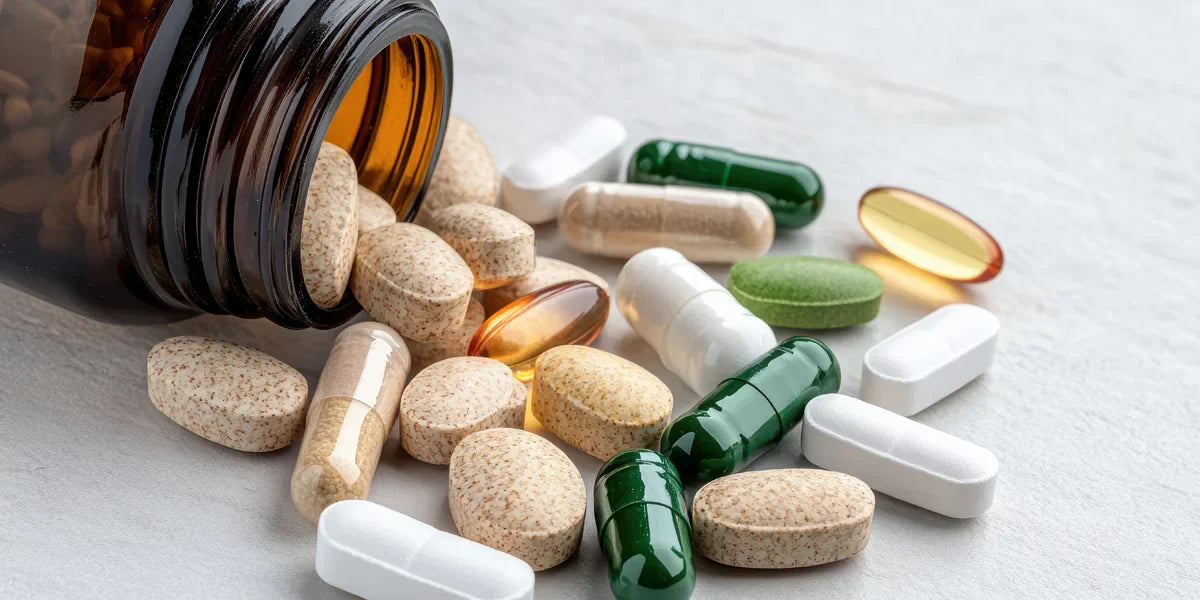
Alongside a balanced diet, regular exercise and adequate sleep, certain vitamins and minerals may help support menstrual health. While no supplement can completely eliminate period symptoms, some have been studied for their potential to reduce cramping, improve energy levels or support hormone function.
Here's what the current evidence says about the most commonly recommended vitamins and supplements for your period.
my mimi interactive nutrient guide
Find Your Period Nutrient Focus
Choose the symptoms you are experiencing to explore the vitamins, minerals and food sources that may be most relevant to you.
Step 1
What are you dealing with today?
Select one or more symptoms. Your nutrient matches will update automatically.
Step 2
Your nutrient matches
Select how you are feeling to see which nutrients may be worth learning more about.
Step 3
Food-first ideas
These foods contain nutrients matched to your selections.
Save for later
Your nutrient checklist
Tap “Add to checklist” on any nutrient you would like to remember.
Magnesium
Magnesium is one of the most researched minerals for menstrual health.
It plays an important role in muscle relaxation, nerve function and hundreds of biochemical processes throughout the body. Because menstrual cramps are caused by contractions of the uterus, researchers have investigated whether magnesium may help reduce cramping.
Several studies suggest magnesium supplementation may reduce the severity of menstrual cramps in some people, particularly when taken regularly before and during menstruation.
Magnesium may also support:
- Muscle relaxation
- Reduced headaches or migraines
- Improved sleep quality
- Reduced bloating in some people
Foods naturally rich in magnesium include almonds, pumpkin seeds, spinach, black beans and whole grains.
Iron
Iron is particularly important for people who experience heavy menstrual bleeding.
Every menstrual cycle results in some blood loss, and for people with heavier periods, this can gradually reduce the body's iron stores.
Low iron levels may contribute to:
- Fatigue
- Low energy
- Poor concentration
- Shortness of breath
- Dizziness
If you have consistently heavy periods or suspect you may have low iron, it's important to speak with your GP before starting supplements. A simple blood test can determine whether iron supplementation is appropriate.
Good dietary sources include lean red meat, legumes, spinach, tofu and fortified breakfast cereals.
Making your period easier goes beyond nutrition.
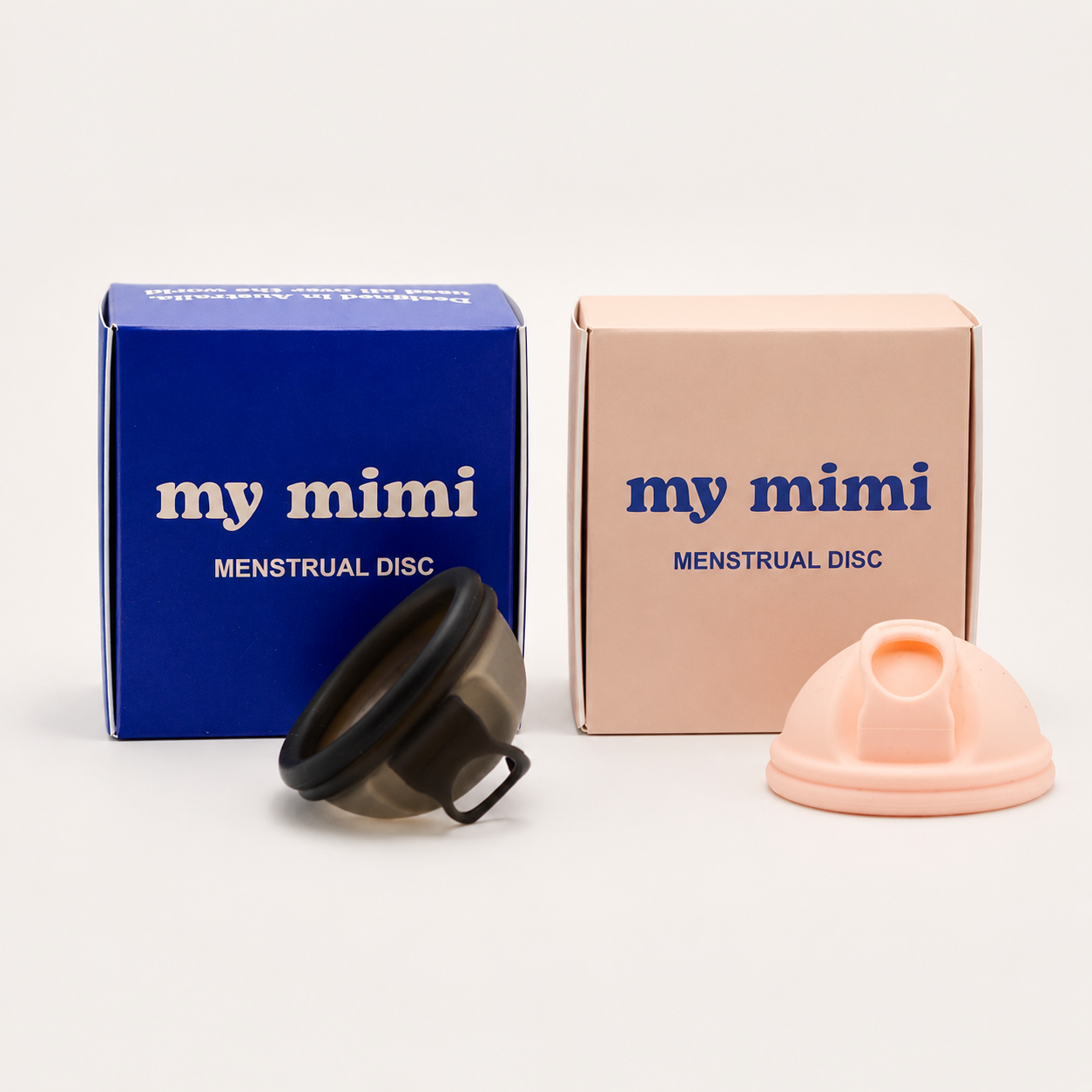
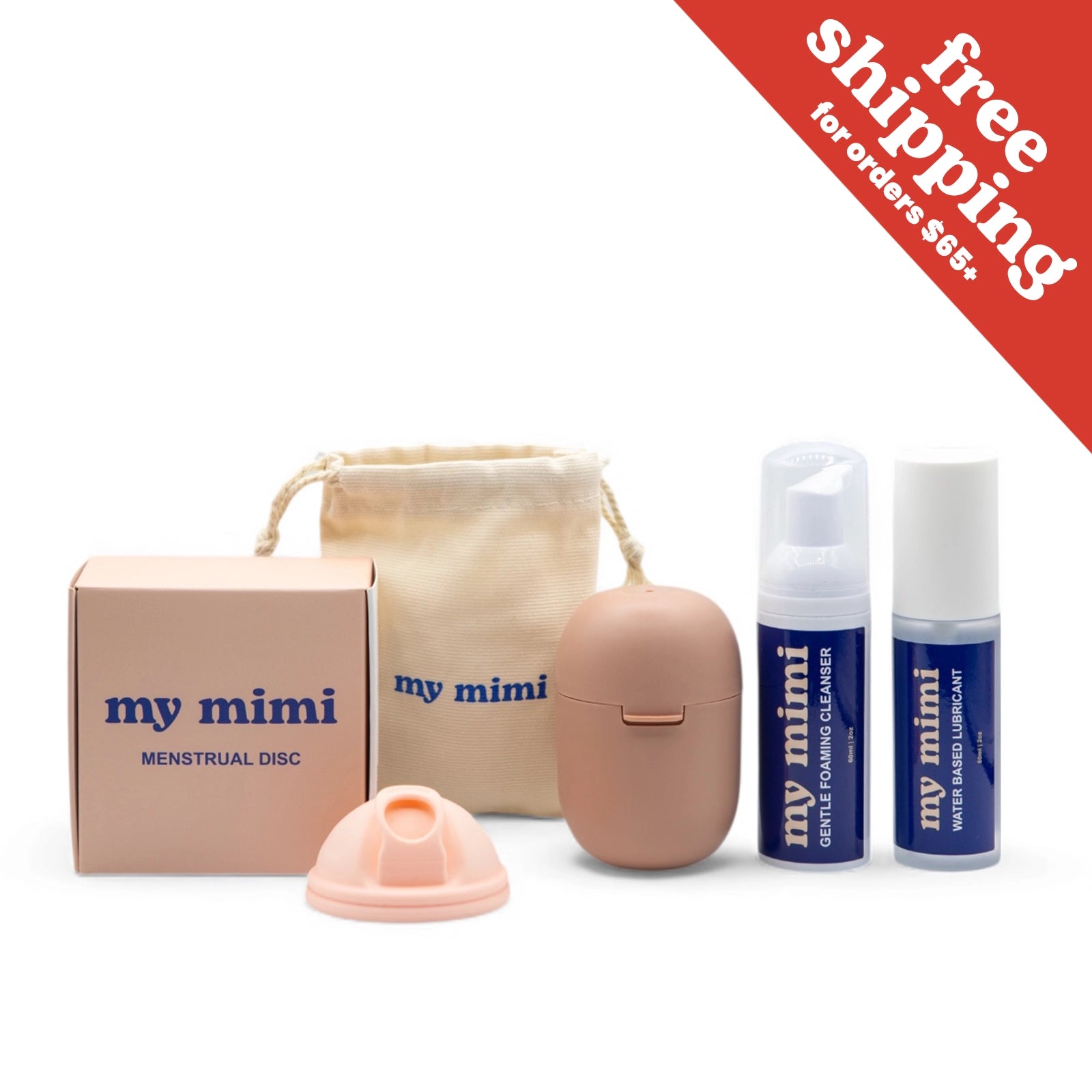
While vitamins and a balanced diet can support your overall wellbeing, choosing the right period product can also make a big difference. The my mimi Menstrual Disc provides up to 12 hours of leak-free protection, holds the equivalent of up to seven regular tampons, and can be worn comfortably while exercising, sleeping or swimming. Designed for comfort and confidence, it's a reusable alternative that fits into busy everyday life.
Vitamin B6
Vitamin B6 is often recommended for people who experience premenstrual syndrome (PMS).
It plays a role in producing neurotransmitters including serotonin and dopamine, which help regulate mood.
Some studies suggest Vitamin B6 may help reduce:
- Irritability
- Mood swings
- Mild anxiety associated with PMS
- Breast tenderness
However, the evidence is mixed, and benefits appear to be modest rather than dramatic.
Natural food sources include chicken, potatoes, bananas, chickpeas and fortified cereals.
Vitamin D
Vitamin D is best known for supporting bone health, but researchers have also explored its relationship with menstrual pain.
Some studies suggest people with low Vitamin D levels may experience more severe menstrual cramps than those with adequate levels.
Correcting a Vitamin D deficiency may help reduce pain for some individuals, although more research is still needed.
Your body naturally produces Vitamin D through sun exposure, and it can also be obtained from foods such as oily fish, eggs and fortified dairy products.
If you're concerned about low Vitamin D, speak with your healthcare provider about testing before beginning supplementation.
Omega-3 Fatty Acids
Omega-3 fatty acids are healthy fats found in foods like salmon, sardines, walnuts and flaxseeds.
They have anti-inflammatory properties, leading researchers to investigate whether they may help reduce menstrual pain.
Several clinical studies suggest omega-3 supplementation may reduce:
- Menstrual cramp severity
- The need for pain medication
- Inflammation associated with menstruation
Although the evidence is promising, results vary between individuals.
Can vitamins stop period cramps completely?
Unfortunately, no.
While some supplements may help reduce the severity of symptoms, they aren't a cure for menstrual cramps or PMS.
The biggest improvements usually come from combining several healthy habits, including:
- Eating a balanced diet
- Staying hydrated
- Regular physical activity
- Getting enough sleep
- Managing stress
- Using comfortable period products that suit your lifestyle
Should you take supplements every month?
That depends on the supplement and your individual needs.
Some nutrients, such as magnesium or omega-3 fatty acids, may be taken regularly if recommended by your healthcare provider.
Others, such as iron, should only be taken if you have a diagnosed deficiency or have been advised to do so by a medical professional.
Taking unnecessary supplements isn't always beneficial and, in some cases, excessive intake may cause side effects.
Can you get these nutrients from food?
In many cases, yes.
A varied diet rich in vegetables, fruit, whole grains, legumes, nuts, seeds and quality protein provides many of the vitamins and minerals your body needs.
Supplements are generally intended to support—not replace—a healthy diet.
Frequently Asked Questions
What is the best vitamin for period cramps?
Magnesium has some of the strongest evidence for helping reduce menstrual cramps, although it doesn't work for everyone.
Should I take iron during my period?
Only if you have low iron levels or have been advised by your healthcare provider. Taking iron unnecessarily may cause side effects.
Can Vitamin D help period pain?
If you're deficient in Vitamin D, correcting that deficiency may help reduce menstrual pain, although more research is needed.
Are omega-3 supplements good for periods?
Some studies suggest omega-3 fatty acids may reduce inflammation and menstrual pain, but results vary between individuals.
Final answer
Several vitamins and nutrients—including magnesium, iron, Vitamin B6, Vitamin D and omega-3 fatty acids—have been studied for their potential to support menstrual health.
While some people notice meaningful improvements, supplements aren't a replacement for a balanced diet or medical care. The best approach is to identify your individual symptoms, maintain healthy lifestyle habits and speak with your healthcare provider if your periods are particularly painful or disruptive.
Medical Disclaimer: This article is intended for general educational purposes only and should not be considered medical advice. Dietary supplements may not be appropriate for everyone and can interact with medications or existing health conditions. Always speak with your GP, pharmacist or another qualified healthcare professional before starting any new vitamin or supplement, particularly if you are pregnant, breastfeeding, have an underlying medical condition or take prescription medications.