

Date created: 13 July 2026
Estimated read time: 11 minutes
When period cramps arrive, a warm cup of tea can feel like a small but welcome form of comfort. The warmth may help your body relax, the extra fluid supports hydration, and certain herbs contain natural compounds that have been studied for their potential soothing, anti-inflammatory or antispasmodic effects.
Tea will not make every period pain-free, and it should not replace medical care when cramps are severe. However, ginger, chamomile, peppermint and several other herbal teas may help ease cramps, bloating, nausea or digestive discomfort for some people.
In this guide, we explore seven of the best teas for period cramps, what each tea may help with, how to prepare it and the precautions to keep in mind.
At a glance: the best teas for period cramps
- Ginger tea
- Chamomile tea
- Peppermint tea
- Turmeric tea
- Cinnamon tea
- Fennel tea
- Raspberry leaf tea
Interactive tea guide
Which Tea Is Best for Your Period Symptoms?
Choose the tea that best matches how you are feeling, then tap a card to learn more.
Ginger Tea Best for cramps and nausea
Ginger contains naturally occurring compounds that have been studied for their potential anti-inflammatory and nausea-reducing effects.
Try it: Steep fresh sliced ginger in hot water for five to ten minutes.
Chamomile Tea Best for evening cramps and relaxation
Chamomile is a naturally caffeine-free tea commonly used as part of a calming evening routine.
Try it: Drink a warm cup before bed when cramps are making it difficult to unwind.
Peppermint Tea Best for bloating and digestive discomfort
Peppermint tea may feel soothing when your period is accompanied by gas, bloating or digestive discomfort.
Try it: Steep peppermint leaves or a tea bag for five to seven minutes.
Turmeric Tea Supports an anti-inflammatory lifestyle
Turmeric contains curcumin, a compound studied for its potential anti-inflammatory properties.
Try it: Combine turmeric with warm water or milk, ginger and a small amount of honey.
Cinnamon Tea Best for warming comfort
Cinnamon creates a naturally warming, lightly sweet drink that can feel comforting during your period.
Try it: Steep one cinnamon stick in hot water for around ten minutes.
Fennel Tea Best for bloating, gas and abdominal discomfort
Fennel has traditionally been used for digestive discomfort and may suit people who experience period-related bloating.
Try it: Lightly crush fennel seeds and steep them in hot water for five to ten minutes.
Raspberry Leaf Tea A gentle traditional herbal tea
Raspberry leaf tea is traditionally associated with menstrual and reproductive wellness, although evidence for cramp relief remains limited.
Try it: Steep a raspberry leaf tea bag or loose leaves for five to ten minutes.
Why do period cramps happen?
Period cramps, medically known as dysmenorrhoea, usually occur when the uterus contracts to help shed its lining. These contractions are influenced by hormone-like substances called prostaglandins.
Higher prostaglandin levels can contribute to stronger uterine contractions, inflammation and pain. This is why cramps are often most noticeable shortly before a period begins and during the first one or two days of bleeding.
Period pain may feel like:
- A dull ache in the lower abdomen
- Sharp, tightening or throbbing cramps
- Lower-back discomfort
- Pain extending into the hips or thighs
- Nausea, bloating or loose bowel movements
- Fatigue or headaches
Mild-to-moderate cramping is common, but pain that regularly disrupts work, school, sleep or everyday activities should not simply be dismissed as part of having a period. Conditions such as endometriosis, adenomyosis, fibroids or pelvic inflammatory disease can also cause painful periods.
For more information about recognising concerning symptoms, read our guide to period pain, when to seek help and available treatment options.

Can tea really help period cramps?
Tea is not a cure for menstrual pain, but it may help in several practical ways.
Firstly, drinking tea contributes to your daily fluid intake. Dehydration can leave you feeling tired, headachy or generally worse during your period, so maintaining regular fluid intake is important.
Secondly, holding and drinking a warm beverage can feel calming. Warmth is commonly used to manage period discomfort, which is why heat packs, warm baths and hot-water bottles are popular during menstruation.
Finally, some herbs and spices contain compounds that have been researched for their possible effects on inflammation, smooth-muscle activity, nausea, digestion and relaxation. Evidence varies significantly between teas, and results are not guaranteed, but certain options may be worth trying as part of a broader period-care routine.
1. Ginger tea
Ginger tea is one of the most popular herbal drinks for period cramps, particularly when cramping is accompanied by nausea, digestive discomfort or a heavy feeling in the stomach.
Ginger contains active compounds called gingerols and shogaols. These compounds have been studied for their potential anti-inflammatory and nausea-reducing properties. Some research involving ginger supplements has also found possible benefits for menstrual pain, although a cup of ginger tea may contain a lower and less consistent amount than the concentrated products used in studies.
Even so, ginger tea remains a practical and comforting option during the first few days of a period.
How to make ginger tea
- Slice or grate a small piece of fresh ginger.
- Add it to a mug or small saucepan of hot water.
- Allow it to steep for five to ten minutes.
- Add lemon or a small amount of honey if desired.
Fresh ginger can create a strong, warming tea. Start with a small amount if you are not used to its flavour or if you have a sensitive stomach.
Best for: cramps accompanied by nausea, digestive discomfort or a cold, sluggish feeling.
2. Chamomile tea
Chamomile tea is often associated with relaxation and sleep, making it a useful choice when period discomfort is leaving you tense, restless or unable to wind down.
Chamomile contains naturally occurring plant compounds, including flavonoids. Early research suggests that chamomile may have mild anti-inflammatory and antispasmodic properties, although larger and more consistent studies are still needed to understand its effect on menstrual pain.
Its main practical benefit may be that it supports relaxation. Pain can feel more difficult to manage when you are stressed, overtired or sleeping poorly, so a calming evening routine may still make a meaningful difference.
How to prepare chamomile tea
Steep one chamomile tea bag, or the recommended amount of loose-leaf chamomile, in hot water for around five minutes. Leaving it for longer will create a stronger flavour.
Chamomile is naturally caffeine-free and is commonly enjoyed in the evening or before bed.
Best for: evening cramps, restlessness, tension and difficulty sleeping during your period.
Sleep and menstrual symptoms can influence one another. You can learn more in our guide to sleep and menstrual health.
3. Peppermint tea
Peppermint tea is a refreshing option that may be particularly appealing when your period causes bloating, gas or digestive discomfort.
Peppermint contains menthol, which has a cooling sensation and may have a relaxing effect on smooth muscle. Peppermint is frequently used to support digestive comfort, although evidence specifically examining peppermint tea for menstrual cramps remains limited.
Because the uterus is a muscular organ, peppermint is sometimes promoted as a natural remedy for menstrual cramping. It is more accurate to say that it may help some people feel more comfortable, particularly when digestive symptoms are contributing to the overall discomfort.
How to prepare peppermint tea
Steep a peppermint tea bag or loose peppermint leaves in hot water for five to seven minutes. It can be enjoyed plain or with a small amount of honey.
Peppermint tea is generally caffeine-free, but check the packaging when buying a blend, as some products combine peppermint with black or green tea.
Best for: bloating, gas, digestive discomfort and a refreshing alternative to heavier herbal teas.

4. Turmeric tea
Turmeric tea has become popular as a warming drink for people seeking natural ways to support inflammation and general wellbeing.
Turmeric contains curcumin, a compound that has been widely studied for its potential anti-inflammatory effects. However, curcumin is not easily absorbed by the body, and turmeric tea usually provides a smaller and less predictable quantity than the concentrated extracts used in clinical research.
That does not mean turmeric tea is ineffective, but it is important to keep expectations realistic. It may be a comforting addition to your period routine rather than a direct replacement for proven pain-relief treatments.
How to make turmeric tea
- Add half a teaspoon of ground turmeric to a cup of hot water or warm milk.
- Stir thoroughly.
- Add ginger, cinnamon or honey for flavour.
- Include a small pinch of black pepper if suitable for you.
Black pepper contains piperine, which may improve curcumin absorption. However, pepper can irritate reflux or sensitive stomachs, so it is not essential.
Best for: people who enjoy earthy, warming drinks and want to include turmeric as part of a balanced period-wellness routine.
5. Cinnamon tea
Cinnamon tea is warming, naturally sweet and easy to make. Cinnamon has been researched for several possible health effects, including its potential influence on inflammation, circulation and smooth-muscle activity.
Some small studies using cinnamon preparations have reported improvements in menstrual pain, nausea or bleeding-related symptoms. However, the evidence is still developing, and the amount of cinnamon used in research may not be equivalent to an ordinary cup of tea.
Cinnamon tea can still be an enjoyable option, especially for people who dislike minty or floral herbal teas.
How to make cinnamon tea
Place one cinnamon stick in a cup of hot water and steep it for approximately ten minutes. Alternatively, add a small amount of ground cinnamon to hot water or warm milk and stir well.
A cinnamon stick usually creates a smoother drink, while ground cinnamon may settle at the bottom of the cup.
Best for: people who prefer a naturally sweet, warming tea during their period.
6. Fennel tea
Fennel tea has a mild liquorice-like flavour and has traditionally been used for digestive discomfort, bloating and abdominal cramping.
Fennel contains compounds that may affect smooth-muscle contractions. A number of small studies have explored fennel preparations for menstrual pain, with some suggesting a possible benefit. However, more robust research is needed before fennel can be considered a proven treatment for period cramps.
Fennel tea may be particularly suitable when cramps are combined with bloating, wind or a feeling of abdominal pressure.
How to make fennel tea
Lightly crush one teaspoon of fennel seeds and add them to a cup of hot water. Allow the tea to steep for five to ten minutes before straining.
Pre-packaged fennel tea bags are also widely available.
Best for: abdominal bloating, gas and digestive discomfort during your period.
7. Raspberry leaf tea
Raspberry leaf tea is frequently marketed as a tea for menstrual cramps and reproductive health. It is made from the leaves of the red raspberry plant rather than the fruit itself.
Traditionally, raspberry leaf has been used as a uterine tonic, with claims that it can support uterine muscle function. However, there is currently limited high-quality evidence showing that raspberry leaf tea reliably reduces period cramps.
This does not prevent you from enjoying it as a caffeine-free herbal tea, but it should not be presented as a proven remedy. Personal experiences vary, and any relief may also come from the warmth, hydration and calming ritual of drinking tea.
How to prepare raspberry leaf tea
Steep a raspberry leaf tea bag or the recommended quantity of loose leaves in hot water for five to ten minutes. Its flavour is generally mild and slightly earthy.
Best for: people who enjoy mild herbal teas and understand that evidence for menstrual pain relief remains limited.

Which tea is best for period cramps?
The best tea depends on the symptoms you are experiencing and the flavours you enjoy.
| Symptom | Tea to consider |
|---|---|
| Cramps with nausea | Ginger tea |
| Cramps with bloating or gas | Peppermint or fennel tea |
| Evening cramps and difficulty relaxing | Chamomile tea |
| Preference for a warming, spiced drink | Turmeric or cinnamon tea |
| Preference for a mild herbal flavour | Raspberry leaf tea |
There is no requirement to choose only one. You may prefer ginger in the morning, peppermint after meals and chamomile before bed.
When should you start drinking tea for period cramps?
You can drink herbal tea whenever cramps or related symptoms begin. Some people prefer to start one or two days before their expected period, particularly when their cycle is predictable.
A free period tracker can help you identify patterns in your cycle, including when cramps, fatigue, headaches or cravings usually begin.
Rather than drinking a large amount at once, try one cup and see how your body responds. Two or three cups spread across the day may be suitable for many adults, but recommendations vary depending on the herb, the strength of the tea, your health and any medications you take.
Can you mix teas for period cramps?
Yes, many herbal teas can be combined to create a flavour and routine that suits you. Popular combinations include:
- Ginger and lemon
- Ginger and turmeric
- Peppermint and chamomile
- Cinnamon and ginger
- Fennel and peppermint
Be cautious with highly concentrated homemade blends. Combining several herbs does not automatically make a tea more effective, and it can increase the chance of side effects or medication interactions.
Teas and drinks you may want to limit during your period
There is no universal list of drinks that everyone must avoid during menstruation. However, some people find that certain beverages make their symptoms feel worse.
High-caffeine drinks
Caffeine can affect people differently. Large amounts may contribute to anxiety, restlessness, digestive upset or difficulty sleeping. Coffee and caffeinated tea do not necessarily need to be eliminated, but reducing your intake may help if you notice that caffeine worsens your symptoms.
Very sugary drinks
Sugary drinks can provide a quick energy boost followed by a slump. They may also add to digestive discomfort for some people. Water, herbal tea or diluted juice may feel gentler.
Alcohol
Alcohol may contribute to dehydration, sleep disruption, headaches or digestive discomfort. If you already feel unwell during your period, alcohol may make those symptoms more noticeable.
Tea is only one option. Our guide to the best juices to drink during periods explores additional drinks that can support hydration and nutrient intake.
Other ways to help ease period cramps
Herbal tea tends to work best as one part of a wider period-care routine rather than as a stand-alone solution.
Use heat
Place a heat pack or hot-water bottle over your lower abdomen or lower back. A warm bath or shower may also help tense muscles relax.
Try gentle movement
Light walking, stretching or gentle yoga may help improve circulation and reduce stiffness. You do not need to complete an intense workout when you are in pain.
For more information, explore our guide to period wellness, exercise, nutrition and self-care.
Eat regular, balanced meals
Skipping meals may leave you feeling tired, shaky or nauseated. Aim for foods containing protein, fibre, complex carbohydrates and healthy fats.
You can also read our detailed guide to nutrition and menstrual health.
Prioritise rest
Pain often feels harder to manage when you are exhausted. Give yourself permission to slow down, rest and go to bed earlier where possible.
Consider your period product
Period products do not treat the underlying biological cause of menstrual cramps. However, comfort can be affected by the pressure, fit and feel of the product you use.
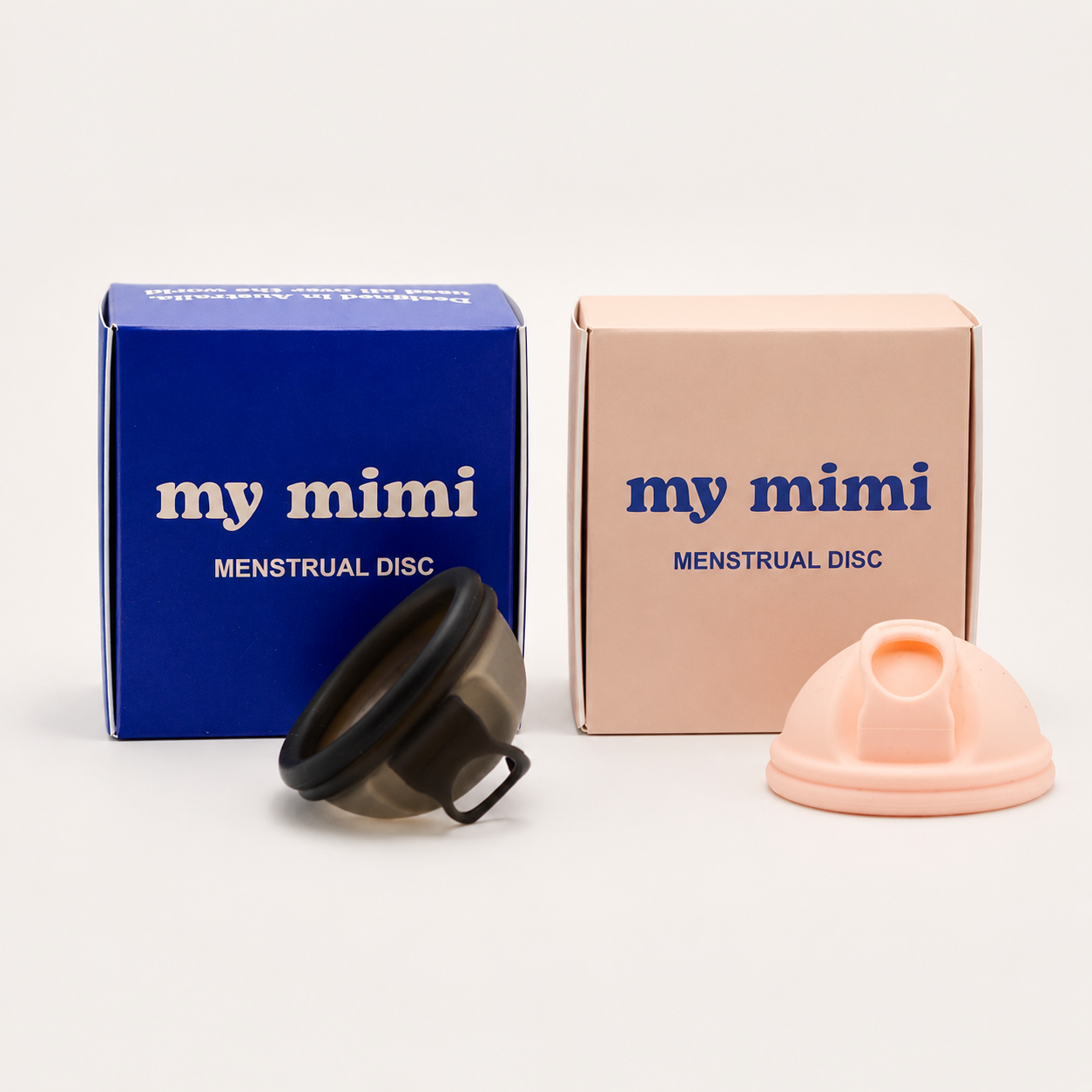
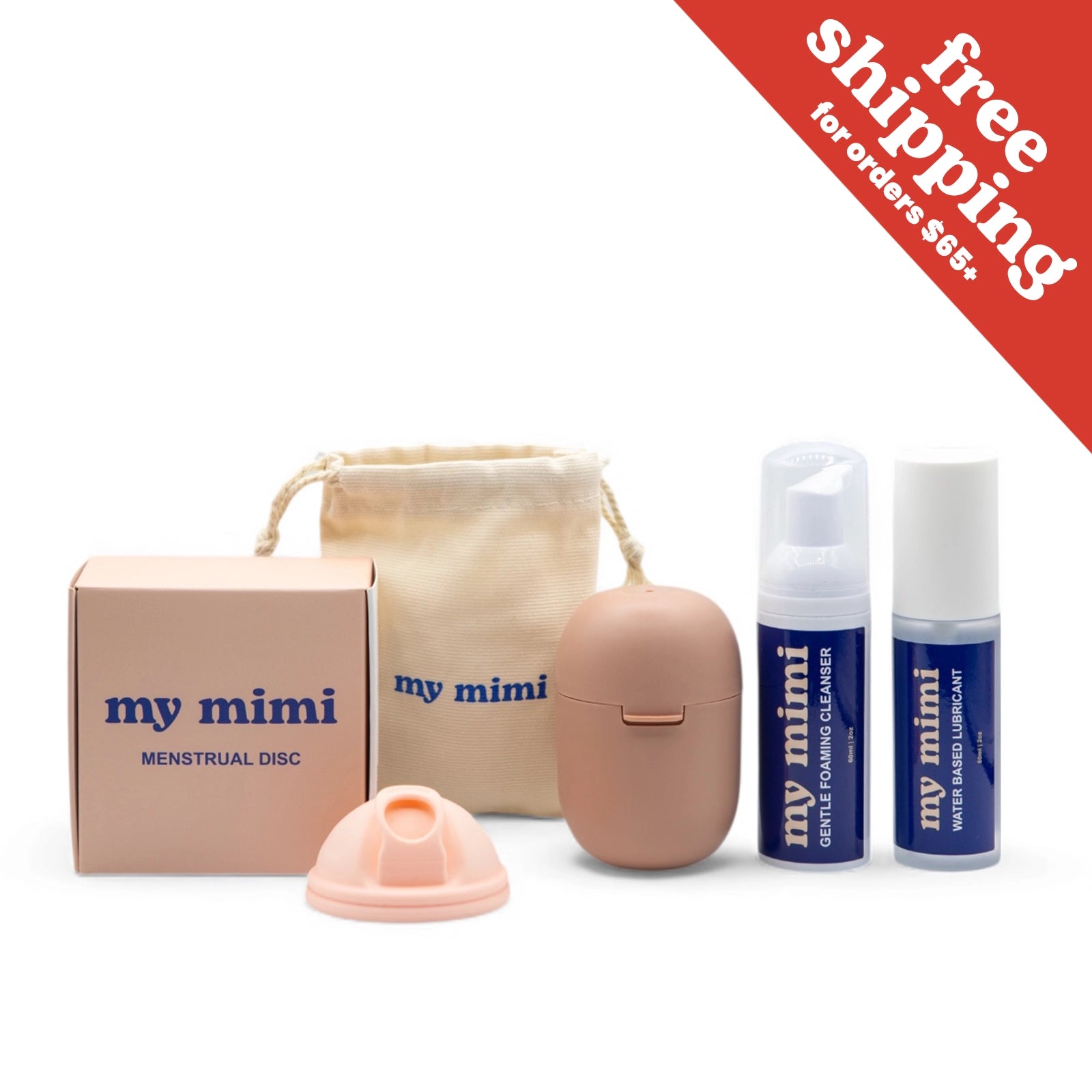
Some people prefer a menstrual disc because it sits in the vaginal fornix rather than relying on suction within the vaginal canal. You can learn more about how menstrual discs may help reduce period discomfort for some users.
The reusable my mimi menstrual disc is available in two sizes and is designed for comfortable, suction-free period protection for up to 12 hours at a time.
Are herbal teas safe during your period?
Herbal tea is not automatically safe for every person simply because it is natural. Herbs can cause allergic reactions, digestive symptoms and interactions with medications.
Speak with your doctor, pharmacist or another qualified health professional before regularly using herbal teas if you:
- Are pregnant, trying to conceive or breastfeeding
- Take blood-thinning medication
- Take medication for diabetes or blood pressure
- Have gallbladder, liver or kidney problems
- Have a bleeding disorder
- Are preparing for surgery
- Have allergies to plants or pollens
- Have been advised to restrict your fluid intake
It is also sensible to check the ingredients in commercial tea blends. A tea with a name such as “women’s balance” or “period relief” may contain several herbs rather than the single ingredient shown on the front of the packet.
When should you see a doctor about period cramps?
Book an appointment with a healthcare professional if:
- Your pain is severe or becoming progressively worse
- Cramps regularly prevent you from working, studying, sleeping or completing normal activities
- Over-the-counter pain relief does not help
- You experience pain between periods
- You have pain during sex
- Your bleeding is unusually heavy
- You pass very large blood clots
- Your periods suddenly become significantly more painful
- You have pelvic pain with fever, dizziness, fainting or unusual discharge
Severe period pain is not something you need to silently tolerate. A healthcare professional can investigate potential causes and discuss appropriate treatment options.
Frequently asked questions
What is the best tea to drink for period cramps?
Ginger tea is one of the most promising options because ginger has been studied for its potential anti-inflammatory and nausea-reducing effects. Chamomile may suit evening cramps and tension, while peppermint or fennel may be more useful when bloating and digestive discomfort are also present.
How quickly does tea work for period cramps?
There is no guaranteed timeframe. Some people feel calmer or more comfortable within 30 to 60 minutes of drinking a warm tea, while others notice little difference. The effect may come from a combination of warmth, hydration, relaxation and the tea’s plant compounds.
Is ginger or chamomile tea better for period pain?
Ginger may be the better option when cramps are accompanied by nausea or digestive discomfort. Chamomile may be more suitable when pain is affecting relaxation or sleep. You can also drink them at different times of the day.
Does peppermint tea reduce period cramps?
Peppermint tea may help some people, particularly when menstrual discomfort includes bloating, gas or digestive cramping. Research specifically examining peppermint tea for menstrual cramps remains limited, so it should be treated as a supportive comfort measure rather than a proven treatment.
Does raspberry leaf tea help period cramps?
Raspberry leaf tea is traditionally associated with uterine health, but there is limited high-quality evidence showing that it reliably reduces menstrual cramps. It can still be enjoyed as a caffeine-free herbal tea, provided it is suitable for your health circumstances.
Can I drink tea while taking period pain medication?
Many ordinary teas can be consumed alongside common pain-relief medicines, but some herbs may interact with medication or affect blood clotting, blood pressure or blood sugar. Check with a doctor or pharmacist when you take regular medication or have an existing medical condition.
How many cups of herbal tea can I drink during my period?
The appropriate amount depends on the herb, tea strength, your health and any medications you take. For many adults, one to three cups spread throughout the day may be reasonable, but always follow the product directions and seek professional advice when unsure.
Is caffeinated tea bad during a period?
Not necessarily. Some people can drink black or green tea without any problem. Others find that caffeine worsens anxiety, breast tenderness, digestive symptoms or sleep. Pay attention to your own response and consider reducing caffeine if it appears to aggravate your symptoms.
A comforting addition to your period-care routine
The best tea for period cramps is one that suits your symptoms, tastes good and is safe for you to drink. Ginger may help when cramps occur alongside nausea, chamomile may support relaxation, and peppermint or fennel may be useful when bloating is part of the problem.
Tea is unlikely to eliminate severe menstrual pain on its own, but it can provide warmth, hydration and a calming ritual during a difficult part of your cycle. Combine it with heat, rest, gentle movement, regular meals and appropriate medical care when needed.
Health notice
This article provides general educational information and is not a substitute for personalised medical advice, diagnosis or treatment. Herbal products can cause side effects and interact with medications. Speak with a qualified healthcare professional about severe or persistent period pain, and before using herbal remedies if you are pregnant, breastfeeding, taking medication or managing a health condition.