Bacteria entering the urethra
UTIs are commonly caused by bacteria entering the urethra. Washing hands before handling any internal period product is a simple, sensible hygiene step.


Burning when you wee, urgency or pelvic discomfort can feel worrying — especially when you are trying a new period product. This guide explains what we know about menstrual discs and urinary tract infections (UTIs), plus practical steps to take if something does not feel right.
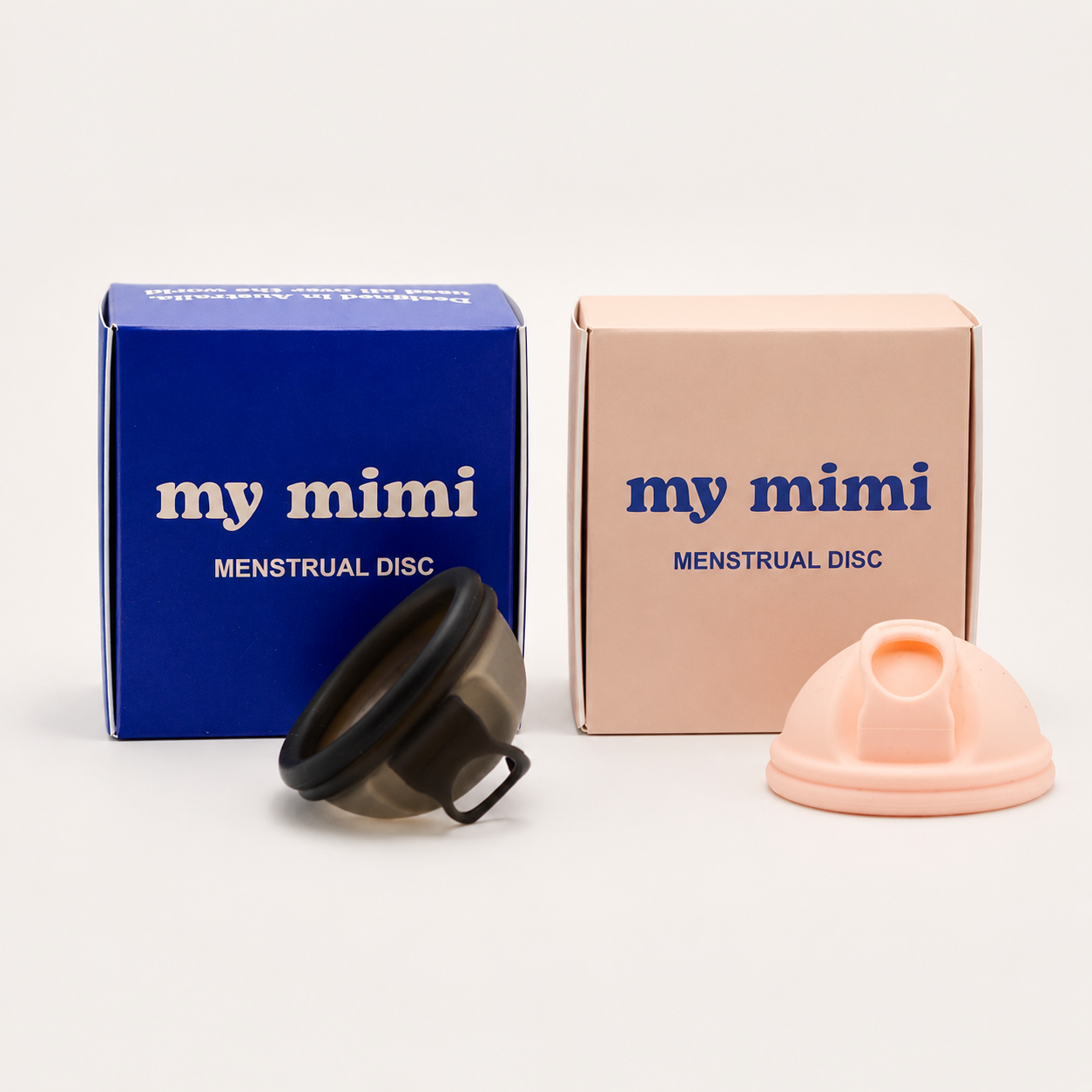
A my mimi menstrual disc is designed to collect period fluid in the vagina. It is not designed to interact with the urinary tract. However, symptoms should never be ignored, and recurring UTIs or ongoing discomfort deserve personalised advice from a qualified health professional.
There is no clear evidence that menstrual discs directly cause UTIs. UTIs usually occur when bacteria enter the urethra. Because research specifically on menstrual discs and UTIs is limited, it is best not to assume that any internal period product is the cause of urinary symptoms. Stop using the disc and speak with a clinician if you have burning when urinating, urinary urgency, fever, back pain, blood in your urine or symptoms that keep returning.

A menstrual disc sits in the vagina, below the cervix, and rests behind the pubic bone. A UTI affects the urinary tract, including the urethra and bladder. The two areas are close together, which can make symptoms feel confusing, but they are not the same body system.
If a disc feels uncomfortable, presses against your bladder, slips, or causes friction, remove it and reassess the fit or insertion technique. Pain, stinging or urinary symptoms are not something you need to push through.
How to use a menstrual discUTIs are commonly caused by bacteria entering the urethra. Washing hands before handling any internal period product is a simple, sensible hygiene step.
Incorrect positioning can feel uncomfortable or create pressure. That does not automatically mean you have a UTI, but it is a reason to remove the disc and try again later rather than force it.
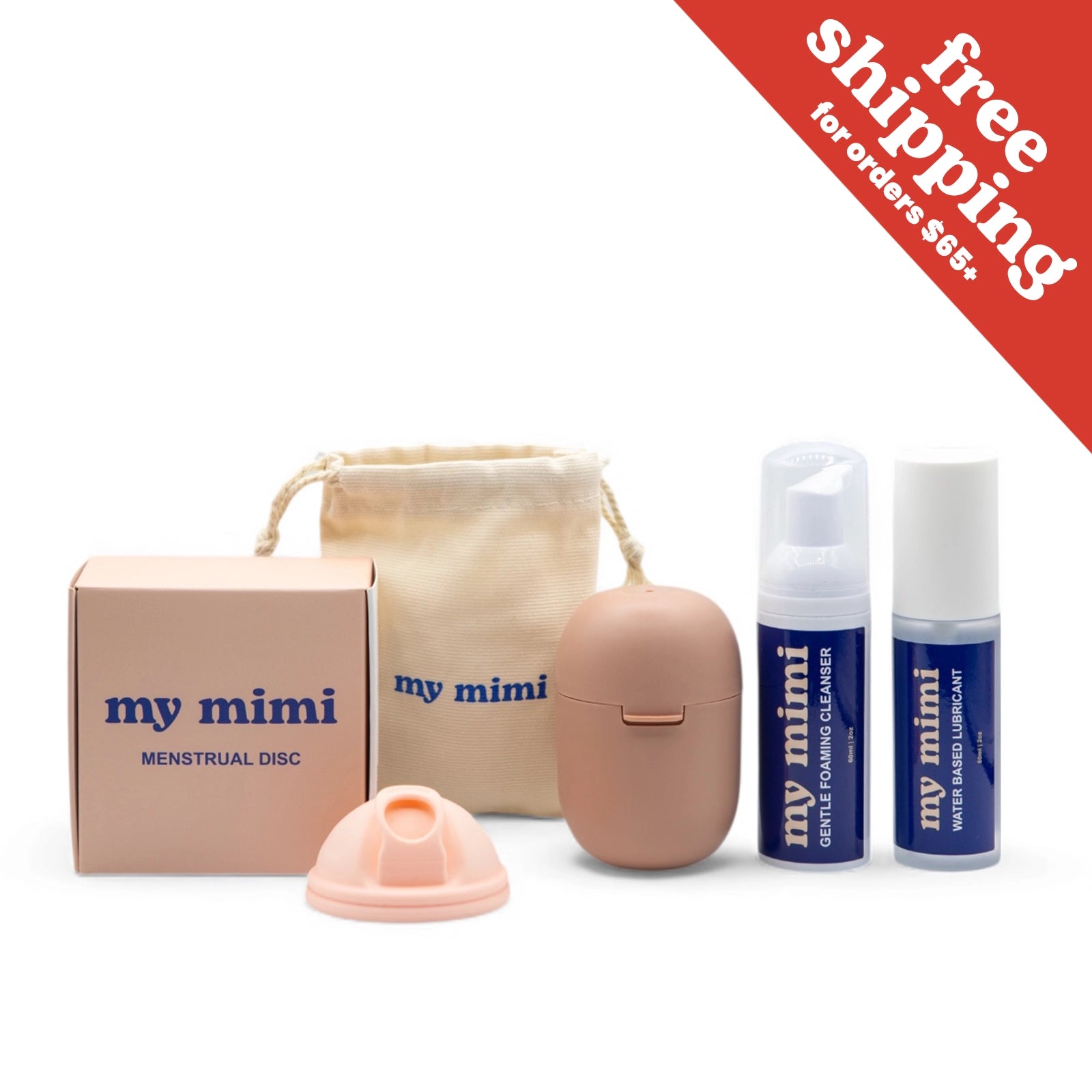
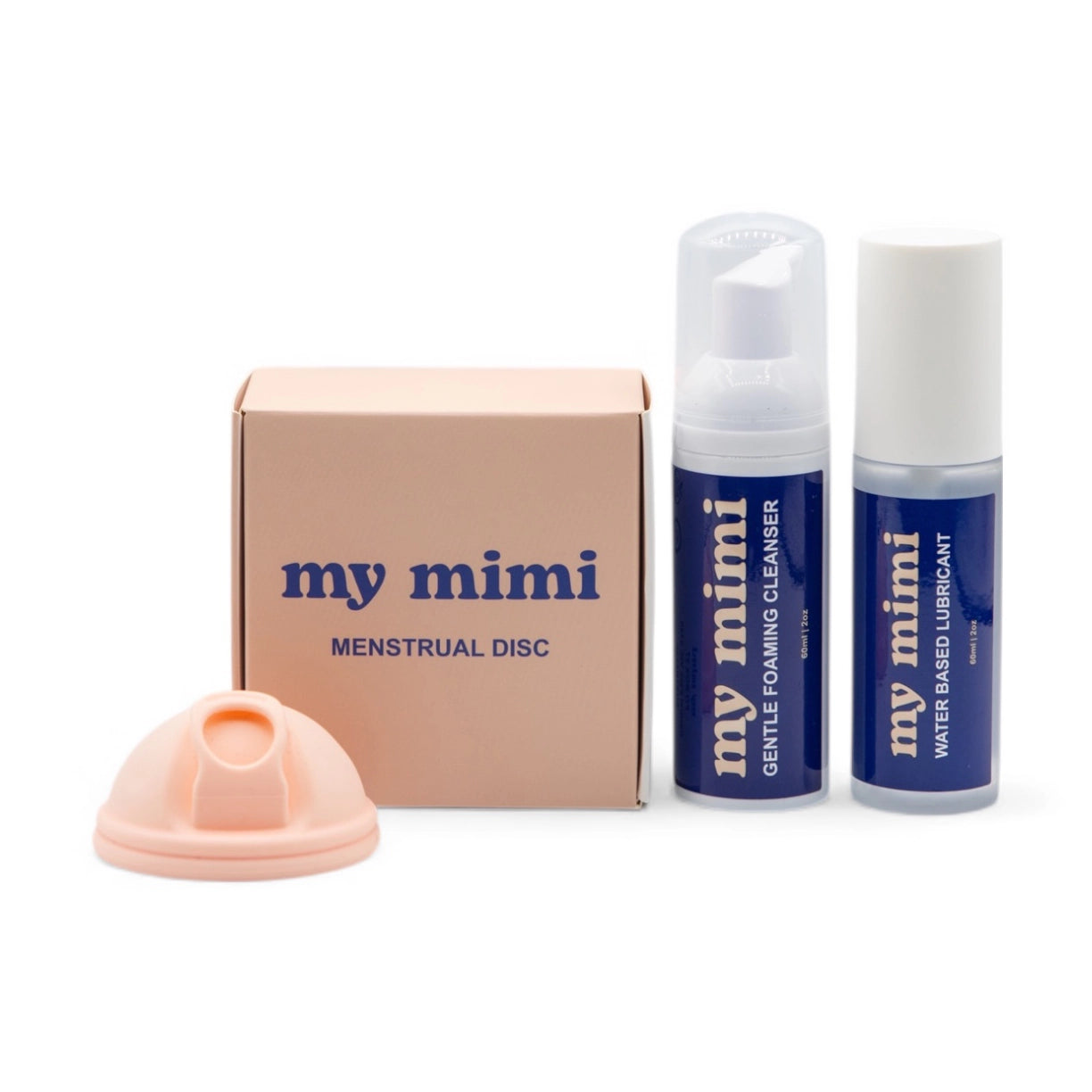
Fragranced soaps, harsh cleansers and douching can irritate vulval or vaginal tissue. Use care products intended for reusable silicone period products and rinse thoroughly.
Follow the product’s recommended wear time. my mimi is designed for up to 12 hours of wear depending on flow, but heavier days may require earlier emptying.
Some people are more prone to UTIs after sex. Urinating and washing externally after sex may help reduce risk for some people; discuss recurring symptoms with your clinician.
Thrush, vaginal irritation, sexually transmitted infections and bladder conditions can overlap with UTI-like symptoms. A healthcare professional can help identify the cause.
Good hygiene cannot guarantee that you will never get a UTI, but it can support safer and more comfortable use of any internal period product. Keep your routine simple, gentle and consistent.
Pinch the disc into a narrow shape, guide it in horizontally towards your tailbone, then tuck the front rim behind your pubic bone. If it feels low, presses uncomfortably or will not stay in place, remove it gently and try again when you are relaxed.
A small amount of water-based lubricant can help during the learning stage. Do not force insertion or removal, especially if you have pain or ongoing sensitivity.
Read the beginner insertion guideRinse your disc during your cycle, use a gentle cleanser suitable for reusable silicone products where available, and sterilise it between cycles according to the product instructions.
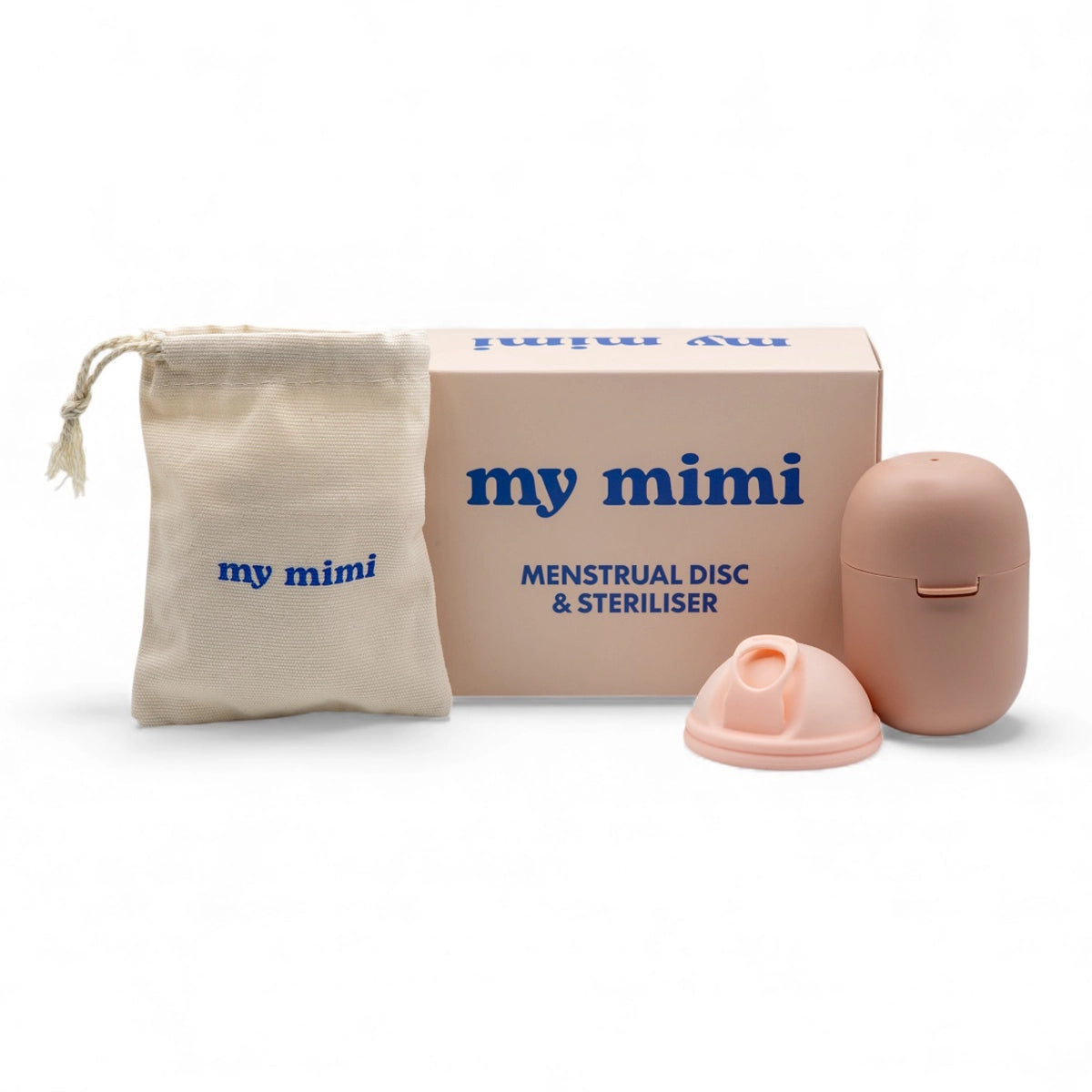
Let the disc dry completely before storing it in a breathable pouch. If the disc is damaged, cracked, sticky or has a persistent odour after appropriate cleaning, stop using it and contact the brand or a health professional for advice.
Read the cleaning guideSpeak with a doctor or pharmacist if you have pain or burning when urinating, a frequent urge to wee, cloudy or strong-smelling urine, or symptoms that do not improve.
Seek urgent medical care for fever, chills, nausea or vomiting, pain in your back or side, blood in your urine, or if you feel very unwell.
Recurring UTIs, pelvic pain, postpartum changes, prolapse symptoms or an IUD are good reasons to seek individual advice before continuing with any internal period product.
Explore practical resources for safer, more confident menstrual disc use.
Soft medical-grade silicone, a suction-free design, a loop tab for removal support and two size options to help you find a more comfortable starting point.

Your cart is currently empty.