Why Is My Menstrual Disc Leaking?
Leaking is usually caused by incorrect positioning, not being tucked properly or using the wrong size. Learn how to fix leaks and improve fit.


Having trouble with a menstrual disc? You are not alone. Most issues come down to positioning, sizing or technique, especially when you are still learning.
The good news is that most common menstrual disc problems are fixable with small adjustments. Use this guide to work out what is happening and what to try next.
Most menstrual disc problems are caused by incorrect positioning, the wrong size or the disc not being inserted far enough back. Once your disc is sitting correctly and tucked behind the pubic bone, it should feel comfortable, stay in place and help protect against leaks.
Leaking is usually caused by incorrect positioning, not being tucked properly or using the wrong size. Learn how to fix leaks and improve fit.
If your disc feels like it is slipping or moving, it may not be positioned correctly or could be the wrong size for your body.
Discomfort usually means the disc is not sitting in the right position. Small changes to angle and placement can fix this quickly.
If removal feels tricky, technique matters. Relaxing your muscles and using the loop tab correctly can make removal easier.
If the disc does not fully open, it may not sit correctly. Adjusting your insertion angle usually resolves this.
These small checks solve many beginner issues.
If you are new to menstrual discs, it helps to understand how they are designed to work. Start with what a menstrual disc is and how menstrual discs work.
Following a clear step-by-step insertion guide can also help prevent common issues before they start.
If problems continue, sizing is often the reason. A disc that is too small may not stay in place, while one that is too large may feel uncomfortable.
Use the menstrual disc size guide to find the best fit for your body.
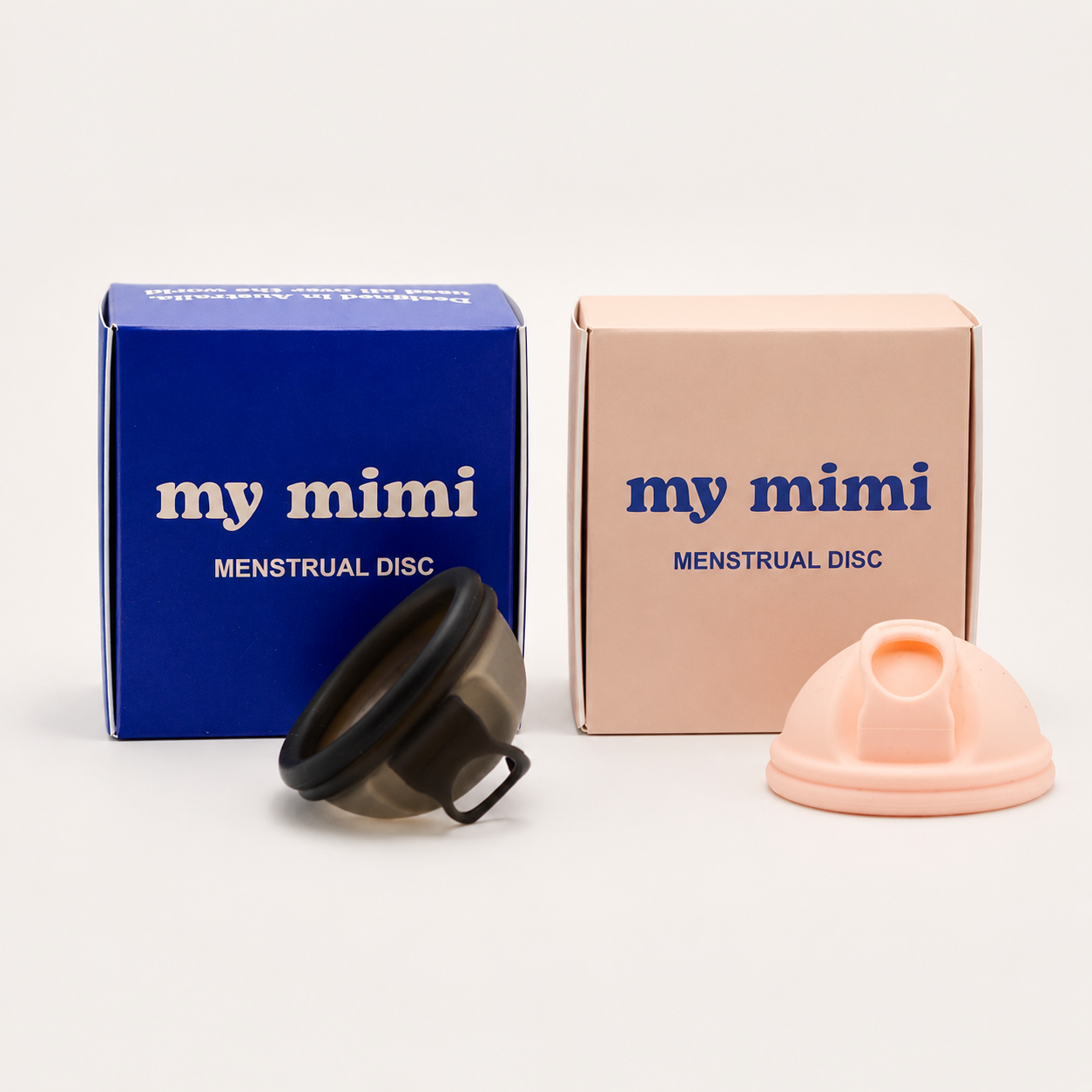
The my mimi menstrual disc is designed to make common issues easier to manage, especially for beginners.
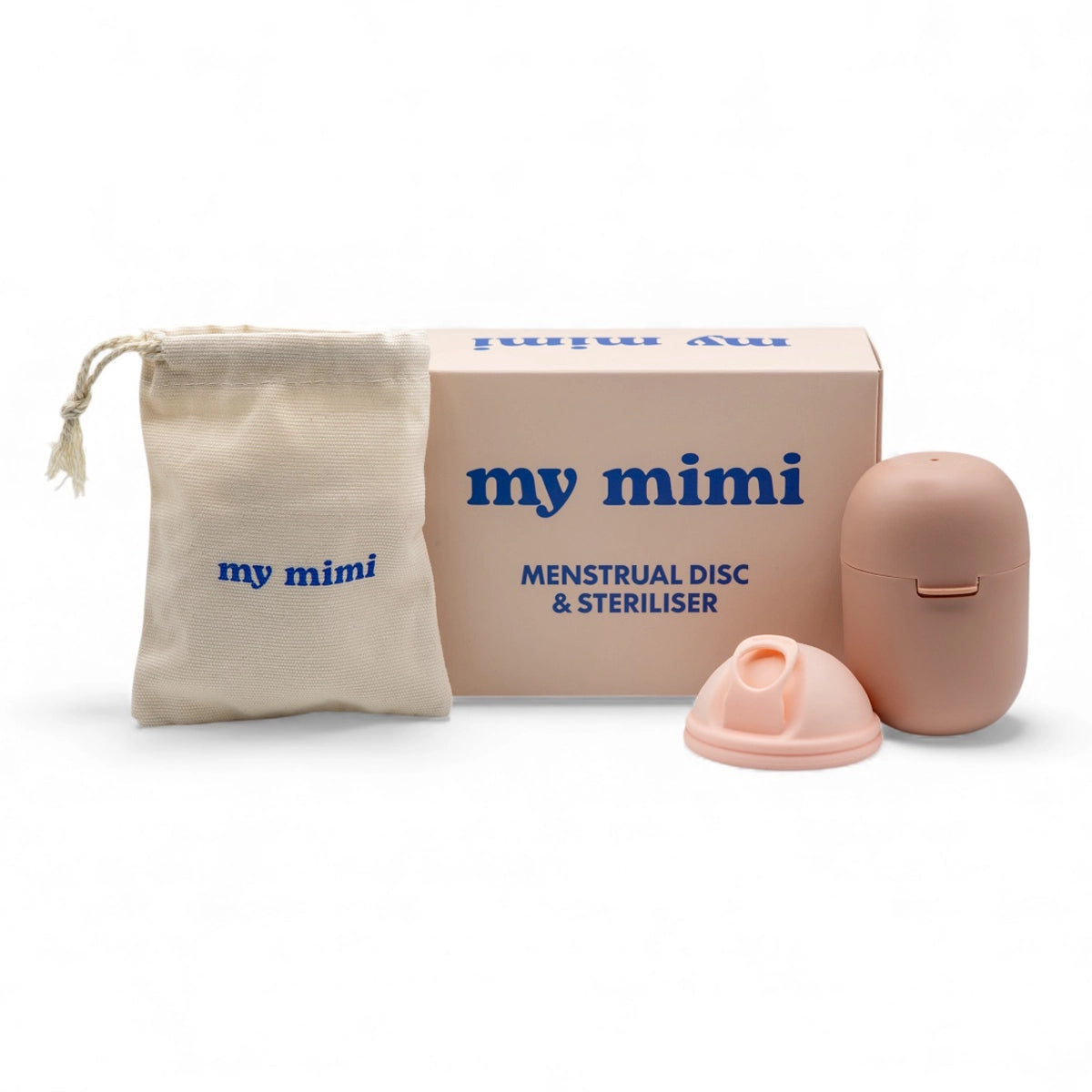
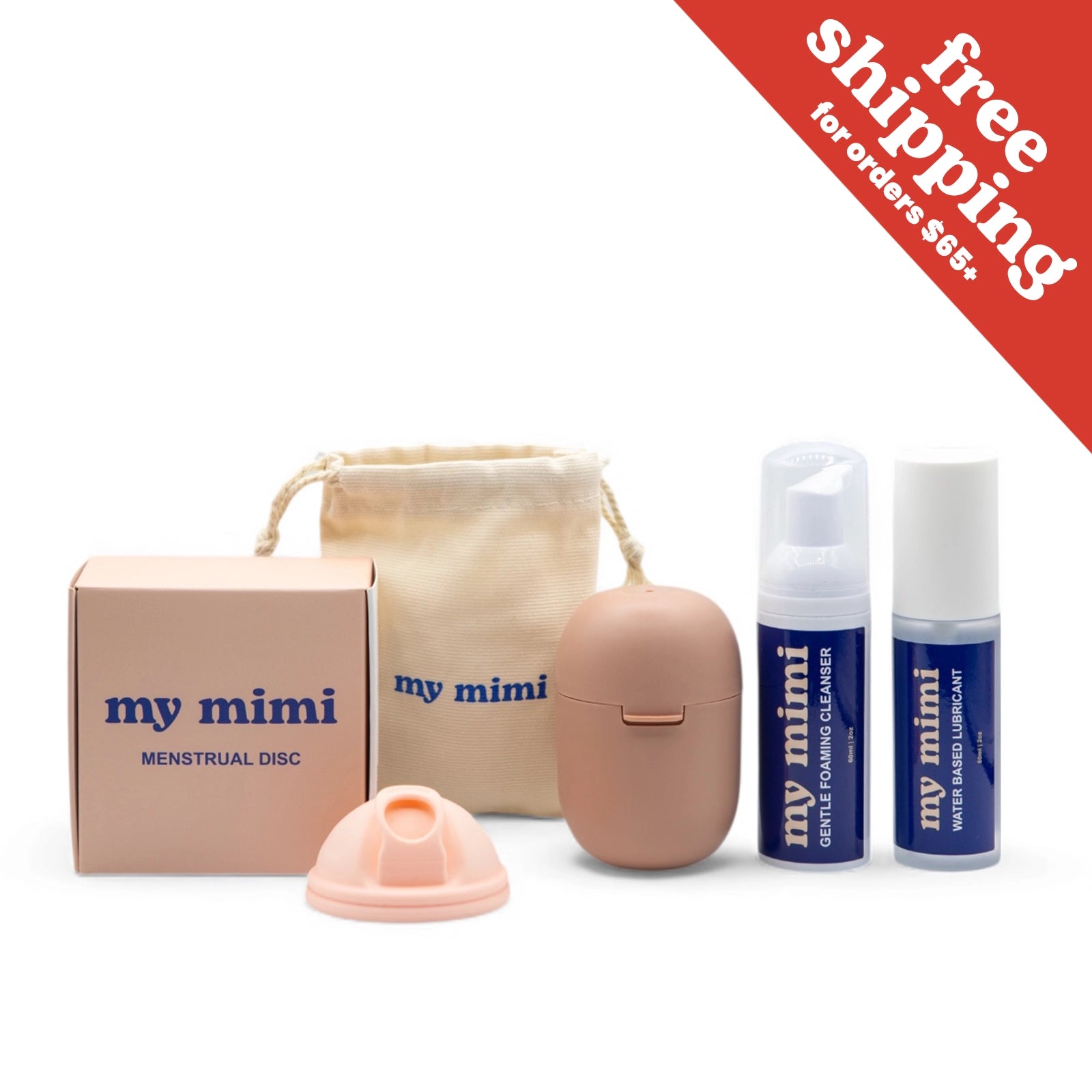
my mimi is used by thousands of customers across Australia and beyond. The brand also offers complementary products and accessories to make menstrual disc use and care simple.
Yes. Most people experience a learning phase. Once positioning and sizing are correct, the issues usually go away.
Most people feel comfortable after a few cycles once they understand how to insert and position it properly.
If adjusting positioning does not fix the issue, trying a different size can improve fit and performance.
You can follow the my mimi guide for clear instructions.
Most issues are simple to fix once you understand how the disc is meant to sit and how your body responds. With the right technique and fit, your disc should feel secure, comfortable and easy to use.
Take the time to adjust the small details early. It can make a big difference to your overall experience.

Your cart is currently empty.

Be the first to know about new collections and exclusive offers.