

Your period arrives, seems to disappear for a day, and then suddenly returns. It can be confusing - especially when it is different from your usual pattern. A stop-and-start period is not always a sign that something is wrong, but repeated or unusual bleeding deserves attention.
The quick answer
A period can appear to stop and start because menstrual flow naturally changes from day to day. Hormonal changes, contraception, stress, life stage and certain health conditions can also cause irregular bleeding.
If the bleeding is happening outside your expected period, is unusually heavy or painful, keeps recurring, or could be related to pregnancy, speak with a healthcare professional.
Can a period stopping and starting be normal?
Sometimes. Menstrual flow does not always remain consistent throughout a period. It is common to have more bleeding at the beginning and lighter bleeding near the end. A very light day can look like your period has stopped, only for some bleeding to return later.
According to the Queensland Government’s guidance on healthy period cycles, bleeding commonly lasts around three to seven days, although everyone’s usual cycle is different.
What matters most is whether this pattern is normal for you. A new, persistent or significant change is worth discussing with your GP.
Why does my period stop and start again?
There is no single explanation for every stop-and-start period. The following are some possibilities, but an article cannot diagnose the cause of your bleeding.
1. Your flow may simply be changing
Periods often begin with heavier flow and become lighter towards the end. If there is very little flow for several hours - or even most of a day - it may seem as though your period has finished. A small amount of bleeding may then appear again.
If the entire episode occurs within your usual period length and there are no concerning symptoms, it may be part of your individual pattern.
2. Hormonal changes
Your menstrual cycle is regulated by hormones. Changes in hormone levels can affect when the uterine lining sheds and may make bleeding less predictable.
Irregular cycles can be more common during the first few years after periods begin and during perimenopause. Pregnancy, breastfeeding and other hormonal changes can also affect bleeding patterns.
3. Hormonal contraception
Starting, stopping, changing or missing hormonal contraception can cause spotting or irregular bleeding. This may occur with the pill, hormonal IUDs, implants, injections and vaginal rings.
Do not stop prescribed contraception or medication without speaking with your doctor or pharmacist.
4. Stress, exercise, nutrition or weight changes
Stress and significant changes in exercise, eating patterns or body weight can affect the hormones involved in menstruation. This can result in periods arriving earlier, later or less predictably.
An occasional variation can happen, but ongoing cycle changes should not automatically be blamed on stress. A healthcare professional can help rule out other causes.
5. Pregnancy-related bleeding
Bleeding during pregnancy is not a menstrual period. If pregnancy is possible and your bleeding is unusual, consider taking a pregnancy test and contacting a healthcare professional.
Seek urgent medical advice if pregnancy related bleeding is accompanied by significant pain, dizziness, faintness or heavy bleeding.
6. PCOS or another hormonal condition
Polycystic ovary syndrome (PCOS) can affect ovulation and cause missing, irregular or unpredictable periods. Thyroid conditions and other hormonal disorders can also alter menstrual cycles.
Other symptoms - such as persistent acne, unexpected hair growth, major weight changes or long gaps between periods—can be useful information to share with your doctor.
7. Fibroids, polyps or other gynaecological conditions
Fibroids and uterine or cervical polyps can contribute to unusual or heavy bleeding. Endometriosis and adenomyosis may also be associated with painful, heavy or irregular periods.
Read more about periods and fibroids and heavy menstrual bleeding.
8. Infection, bleeding conditions or medication
Some infections, including sexually transmissible infections, can cause bleeding between periods. Conditions that affect blood clotting and medicines such as anticoagulants may also change bleeding.
Bleeding after sex, unusual discharge, pelvic pain or bleeding between expected periods should be discussed with a healthcare professional.
Is it the same period - or bleeding between periods?
The timing matters. A light pause followed by more flow within your usual three-to-seven-day period may be part of the same period. Bleeding that occurs after your period appeared to have completely finished, or at another point in your cycle, may be spotting or intermenstrual bleeding.
Healthdirect recommends seeing a doctor about bleeding between periods, because there are many possible causes and some require treatment.
What should I track?
Recording a few details can help you recognise patterns and give your doctor clearer information. Track your bleeding for several cycles if it is safe and practical to do so.
| Track | What to record |
|---|---|
| Timing | The first and last day of bleeding, including any days it stops. |
| Flow | Light, medium or heavy, plus how frequently you change period products. |
| Clots | How often they appear and their approximate size. |
| Pain | Where it occurs, how strong it is and whether it affects daily activities. |
| Other symptoms | Dizziness, fatigue, unusual discharge, fever or bleeding after sex. |
| Context | Medication, contraception, pregnancy possibility and recent health changes. |
If you notice clots, our guide explains when large period clots may need attention.
When should I see a doctor?
Make an appointment with your GP if:
- the stop-and-start pattern is new, persistent or worrying you
- you are bleeding between periods or after sex
- your periods regularly last longer than eight days
- your periods are affecting work, school, sleep or everyday life
- you need to change a pad or tampon every hour for several hours
- you pass clots larger than an Australian 50-cent coin
- you experience significant pelvic pain
- you feel unusually tired, weak, dizzy or short of breath
- pregnancy is possible
- you experience bleeding after menopause
If you are bleeding very heavily and feel faint or think you may pass out, call Triple Zero (000) for an ambulance.
Frequently asked questions
Is it normal for a period to stop for one day and come back?
It can happen when flow becomes very light and then increases again. If it occurs within your usual period and you feel well, it may be part of your normal pattern. Speak with your GP if it is a new or repeated change, occurs between periods, or comes with other symptoms.
Does a stop-and-start period mean I am pregnant?
Not necessarily. However, bleeding during pregnancy is not a true menstrual period. If pregnancy is possible and your bleeding is unusual, take a pregnancy test and seek personalised medical advice.
Can stress make a period stop and start?
Stress can affect the hormonal signals involved in your menstrual cycle, which may change its timing or regularity. Ongoing or concerning bleeding changes should still be checked rather than assumed to be caused by stress.
Can perimenopause cause stop-and-start periods?
Hormonal changes during perimenopause can make periods less predictable. However, unusual, heavy or persistent bleeding should still be discussed with a doctor. Read our guide to menstrual discs during perimenopause.
Can I use a menstrual disc with an irregular period?
A reusable menstrual disc can be used to collect menstrual flow, but it does not diagnose or treat irregular bleeding. Follow the product’s instructions and seek medical advice about unexplained bleeding or symptoms that concern you.
The bottom line
A period that briefly becomes very light and then returns can sometimes be part of normal variation. However, stop-and-start bleeding may also relate to hormonal changes, contraception, pregnancy or a health condition.
Pay attention to what is normal for your body. If the pattern is new, persistent, heavy, painful or occurring outside your expected period, speak with a qualified healthcare professional.
Looking for an alternative to pads and tampons?
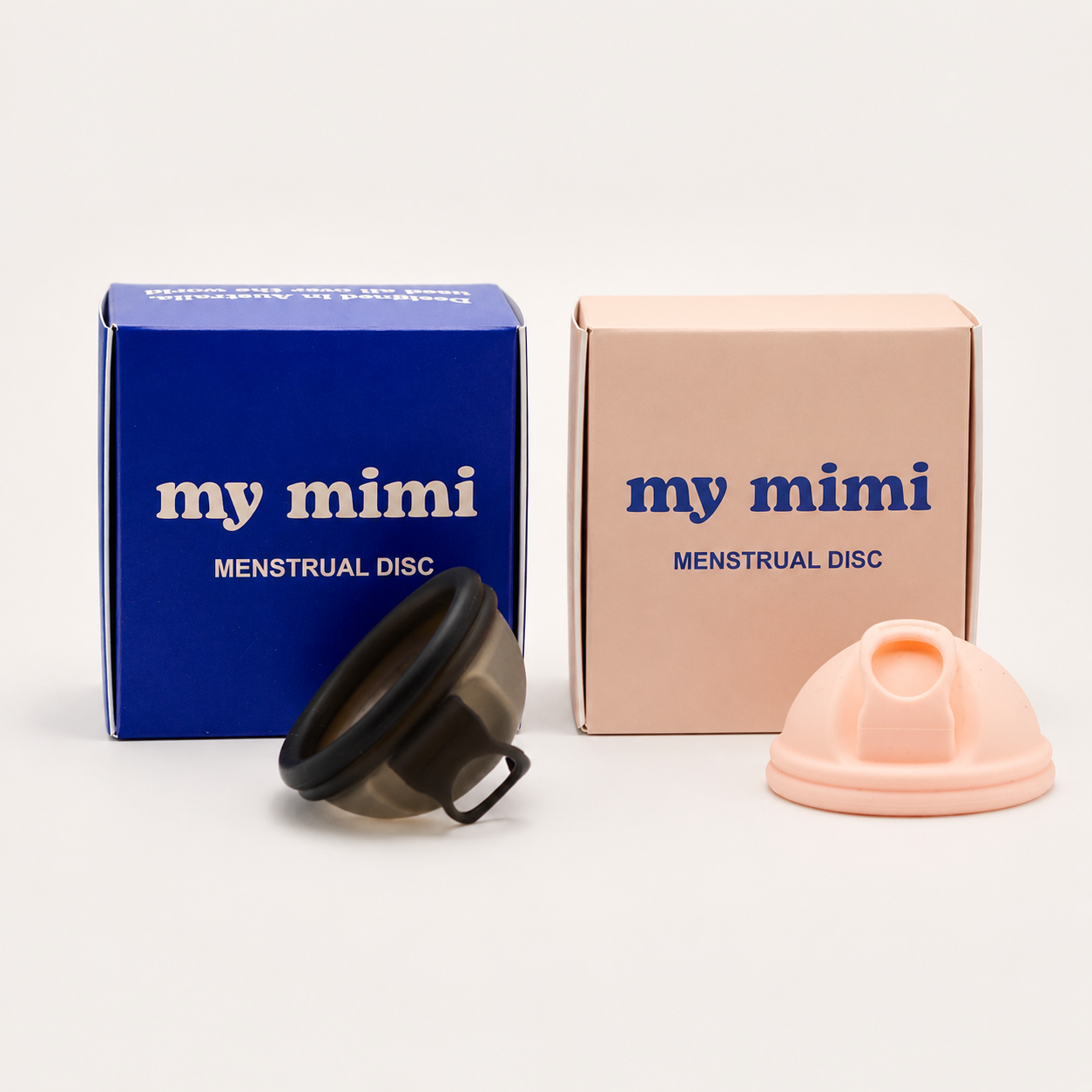
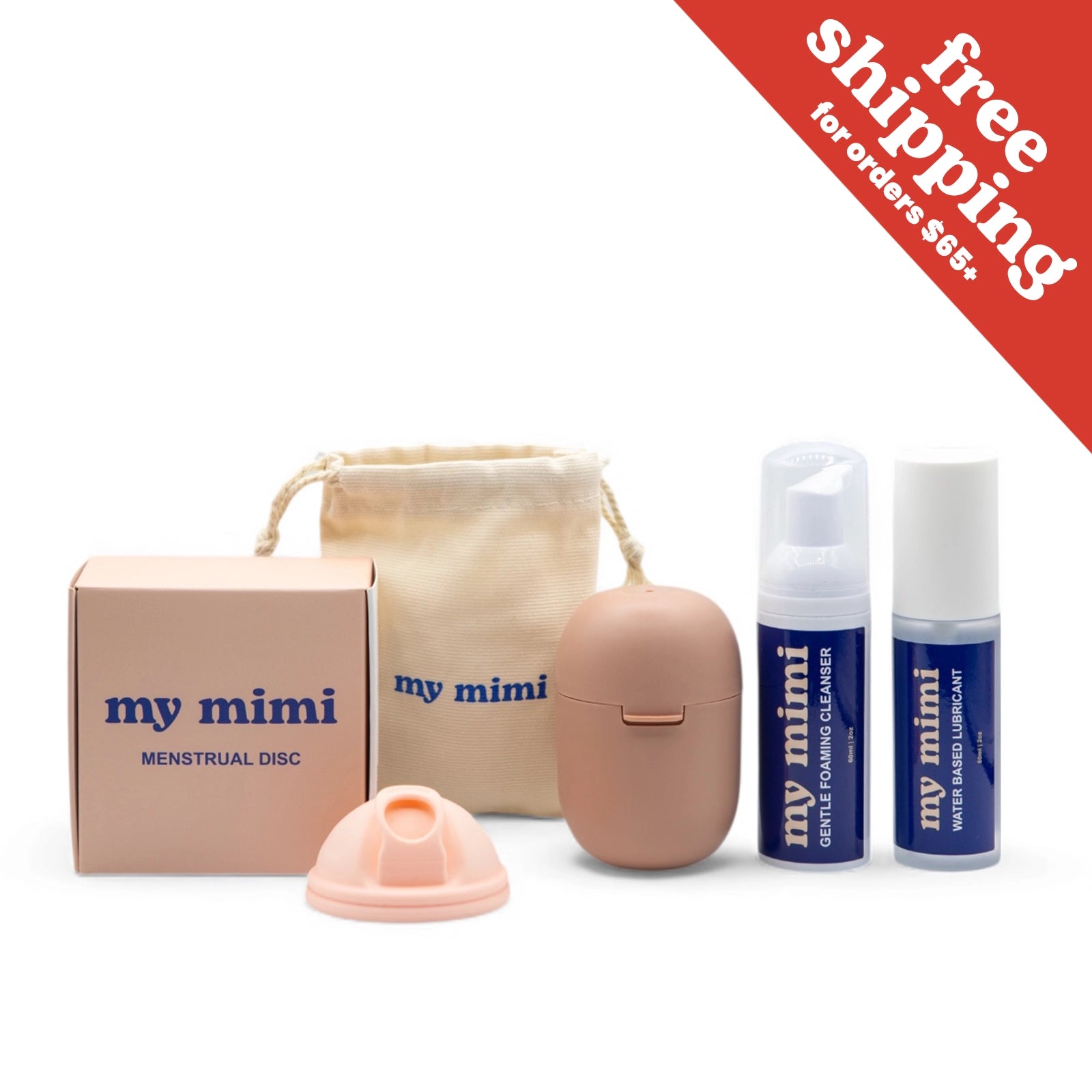
The reusable my mimi menstrual disc collects your period rather than absorbing it. Explore how it works, the available sizes and whether it may suit your routine.
Explore the my mimi disc →Australian health sources
Medical disclaimer: This article provides general educational information and is not a substitute for personalised medical advice, diagnosis or treatment. Speak with a qualified healthcare professional about changes in your bleeding or symptoms that concern you.