
WOMEN’S HEALTH · RESEARCH EXPLAINED
Can You Exercise on Your Period? What the Latest Research Actually Says
You do not need to cancel a workout simply because your period has arrived. But you do not need to push through it either. Here is what recent research can tell us about cramps, performance and choosing a session that suits how you feel.
Evidence checked on 10 September 2026, including selected studies published in 2026.
The short answer
Yes, you can usually exercise on your period if you feel well enough. Gentle activity may help discomfort, and there is no universal rule that everyone must stop running, lifting or swimming during menstruation. Your symptoms, health and usual fitness matter more than a rigid calendar.
Severe pain, faintness or unusually heavy bleeding change the advice: pause and get appropriate medical help.
Is it safe to exercise on your period?
For most people, menstruation itself is not a reason to avoid physical activity. The NHS includes gentle yoga, swimming, walking and cycling among self-care options for period pain. That is permission to try comfortable movement, not an instruction to complete a hard session. NHS period-pain guidance.
Start with how you feel today. If your normal warm-up feels comfortable, you can decide whether to continue. If symptoms increase, shorten the session or stop. Advice for someone managing endometriosis, a recent procedure or another medical condition may differ; follow your clinician’s recommendations.
WHAT THE STUDIES ACTUALLY MEASURED
What does the latest research say?
Three different questions often get mixed together: can regular exercise reduce cramps, does cycle phase affect performance, and will exercising during a painful period help right now? Evidence for one does not automatically answer the others.
June 2026: exercise and period pain
A systematic review included 29 studies involving 1,704 participants with primary dysmenorrhoea: period pain without an identified underlying pelvic condition. Exercise programmes improved several outcomes, including pain, but the certainty of evidence was low to very low and results varied substantially.
This supports exercise as a possible part of symptom management. It does not establish a single best workout or prove that pushing through cramps today will help. Read the 2026 review .
May 2026: strength and cycle-based training
A small randomised trial followed 24 participants over three menstrual cycles. Shifting resistance-training volume towards the follicular or luteal phase did not produce better strength or muscle gains than continuous training.
The trial does not settle every question about symptoms or exercise. It does challenge the idea that everyone needs a cycle-synchronised lifting plan to make progress. Read the trial abstract .
July 2026: aerobic capacity
A meta-analysis of five studies in elite or well-trained athletes found no statistically significant difference in maximum oxygen uptake, or VO₂ max, between early follicular and mid-luteal phases.
VO₂ max is one measure, not every aspect of sporting performance. A small evidence base and group averages cannot rule out meaningful individual differences. Read the 2026 meta-analysis .
#aerobic
The important timing distinction
The 2019 Cochrane review found low-quality evidence that regular exercise may reduce period pain. Its studies used exercise across the month; some asked participants not to exercise during menstruation itself.
“Regular exercise may help cramps” is therefore different from “you should work out while you are in pain”. Read the Cochrane review .
For more background, explore exercise and hormonal balance . Avoid treating normal hormone changes as something every workout needs to “fix”.
What are the benefits of exercising on your period?
The clearest period-specific potential benefit is less pain with an ongoing exercise programme. The June 2026 review also reported improvements in sleep and quality of life, but uncertainty remains. These are possible benefits, not promises for every person or every session. 2026 evidence review .
There can also be personal reasons to keep moving: enjoying a familiar routine, getting outdoors or seeing friends at a class. Those reasons count without needing to turn a workout into a treatment. Equally, choosing rest does not mean you have missed a compulsory health benefit.
When should you avoid exercise?
Skip or stop a session if pain is worsening, you feel dizzy or faint, or you cannot move comfortably. Do not use a workout to test whether significant symptoms will disappear.
- Seek prompt medical advice for severe or worsening period pain, particularly if your usual measures are not helping. Pain during sex, urination or bowel movements also deserves assessment. NHS guidance.
- Book a healthcare appointment if bleeding regularly disrupts daily life or exercise, or you have persistent unusual fatigue. healthdirect: heavy periods .
- Get urgent help for heavy bleeding with fainting, marked weakness or breathlessness, or severe sudden pelvic pain. In an emergency in Australia, call Triple Zero (000).
If pregnancy is possible and you have pain or bleeding, seek medical advice rather than assuming it is an ordinary period.
What are the best exercises on your period?
The best choice is one you can do comfortably and want to do. Gentle walking, easy cycling, swimming or a relaxed yoga session can be reasonable starting points. There is no need to abandon your usual activity if you feel well.
Make the plan easy to change. A familiar route, a shorter class or fewer exercises gives you options if symptoms shift. You do not need a “perfect” period workout.
What are the worst exercises on your period?
There is no universal blacklist. Running, squats, abdominal exercises and strength training are not automatically unsuitable because you are menstruating. A 2025 elite-sport consensus recommends an individual approach and notes insufficient high-quality evidence for universal cycle-based training recommendations. Read the consensus statement .
The least useful workout is one that asks you to ignore how you feel. Consider changing:
- Intervals when your warm-up already feels unusually difficult.
- Heavy sets when cramps are interfering with comfortable technique.
- A long outing without toilet access when you are managing heavy flow.
- Any movement that triggers pain, dizziness or pelvic pressure.
These are reasons to adapt the session, not proof that those activities are harmful for everyone on their period.
Can you exercise with heavy periods?
You may be able to, but heavy bleeding needs more than a better workout plan. Frequent product changes, flooding or bleeding that limits normal activities are reasons to discuss your periods with a health professional. Heavy menstrual bleeding can contribute to iron deficiency and anaemia. healthdirect: heavy periods .
If you feel well enough to move, choose somewhere with a toilet, carry spare protection and allow breaks. Avoid interpreting fatigue or breathlessness as a lack of fitness. The Australian Institute of Sport identifies menstruating athletes as a group at increased risk of iron deficiency; supplements should be guided by appropriate assessment. AIS iron guidance .
Read why you may feel tired on your period for related information. A higher-capacity period product helps manage fluid; it does not treat the cause of heavy bleeding.
Running on your period
Choose a route and effort you can adjust. Start easily, notice how your breathing and symptoms feel, and leave a faster session for another day if needed. A walk–run session is an option, not a requirement.
For a longer run, think about toilet access, spare protection and how you will get home if you want to stop. There is no need to use a race or remote trail as your first test of a new period product.
Gym and weight training
If you feel comfortable, your normal gym routine may still suit you. Adjust load, sets or rest breaks when symptoms make that useful. A lighter session can still be a deliberate training choice.
The 2026 strength trial found no advantage from concentrating training volume in a particular cycle phase. It did not show that everyone feels equally capable every day. Study abstract.
Pilates on your period
Mat or reformer Pilates can offer a session with adjustable movements. Let your instructor know if you want gentler options, and change any position that increases discomfort. You do not need to complete every exercise in the class.
Avoid assuming that “low impact” means every exercise will feel easy. Choose a pace and range of movement that suit you, and do not treat Pilates as a guaranteed remedy for cramps.
Yoga on your period
A gentle class or a few familiar stretches may be appealing when you want a quieter session. Use props, take breaks and leave out positions that do not feel comfortable. Gentle yoga is one option included in NHS period-pain advice. NHS guidance.
A challenging or heated class is a different demand from relaxed stretching. Choose based on your experience and how you feel, rather than assuming all yoga is restorative.
Swimming on your period
Your period does not automatically rule out a swim. Plan suitable period protection and follow its instructions. Ordinary pads are not designed for use in the water.
Try an easy swim if that appeals to you, with a convenient place to change afterwards. For practical product advice, read swimming, sport and menstrual discs .
Period protection for movement
Comfort and toilet access can make a session easier to organise. Choose protection you know how to use, and learn its limits before a long workout.
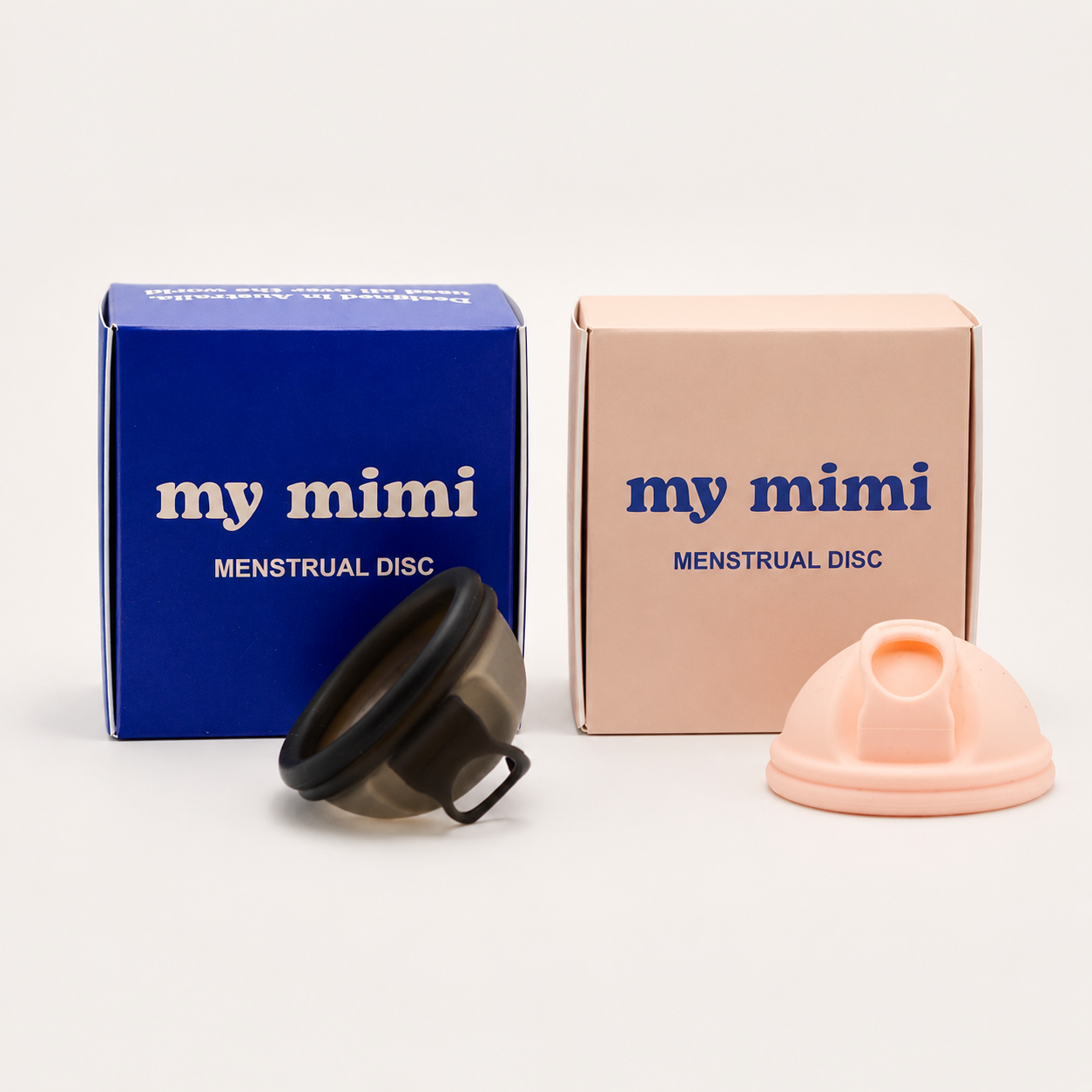
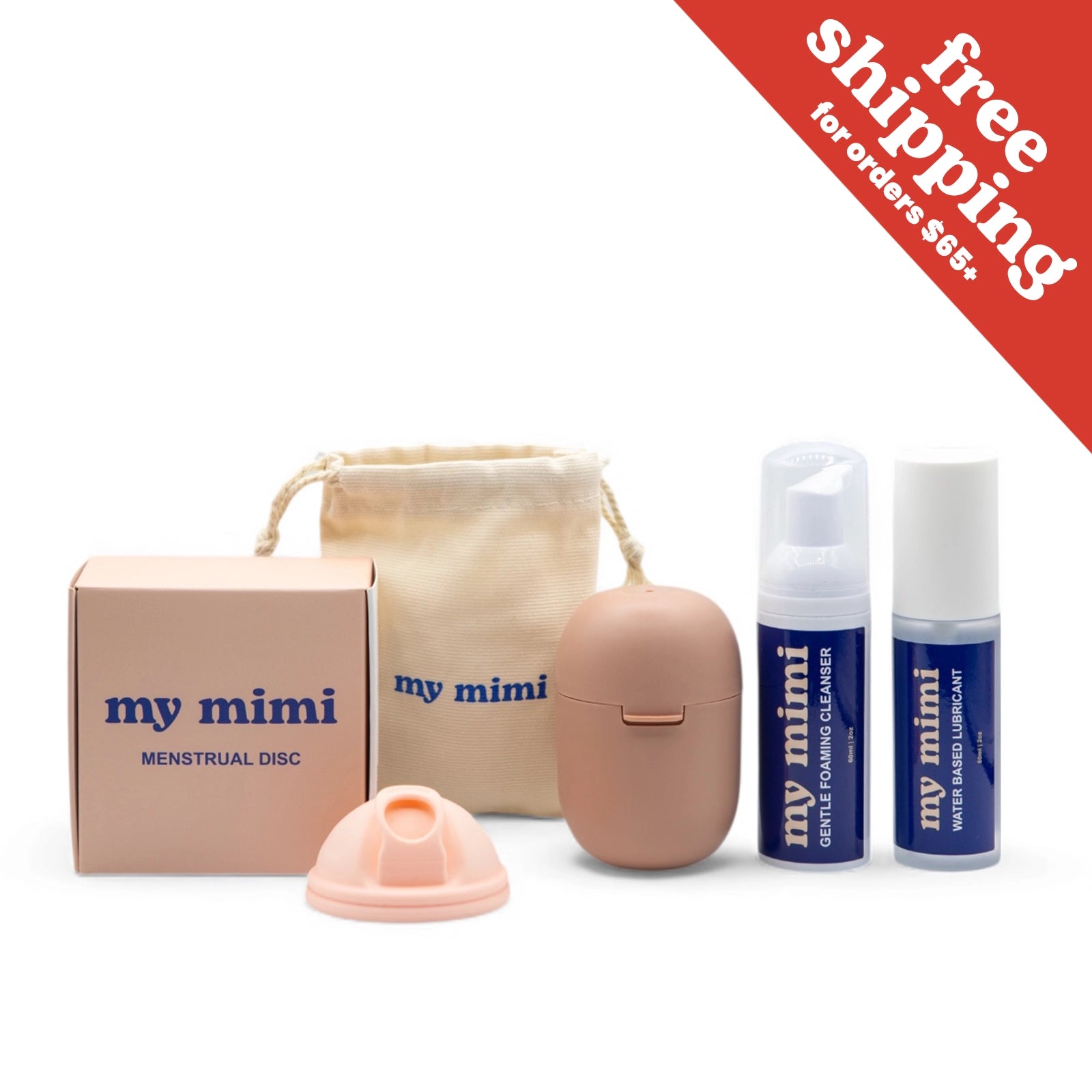
Considering a disc? Our new guide, Can You Exercise With a Menstrual Disc? , covers fit, running, gym, Pilates, yoga and what to do if it leaks or slips. You can also explore menstrual discs for sport and exercise .
Recovery: food, fluids and permission to rest
Keep recovery practical: allow time to sleep, eat regular meals and replace fluids after activity. Consider a carbohydrate-and-protein meal or snack after training, such as yoghurt with fruit and oats, or a tofu, chicken or bean wrap. These are everyday meal ideas, not a special hormone-balancing prescription.
For meal inspiration, see the best foods to eat during your period . If fatigue persists, seek advice rather than relying on food changes alone.
Periods becoming irregular or disappearing during training also deserve medical assessment. Low energy availability can affect menstrual health; more training is not always the answer. AIS female-athlete health resources .
Frequently asked questions
Can you exercise on the first day of your period?
Usually, if you feel well enough. Begin gently and adjust the session to your symptoms. There is no obligation to train on day one, and worsening pain or dizziness is a reason to stop.
Does exercise help period cramps?
Regular exercise programmes may reduce period pain, but the evidence has limitations. This does not guarantee immediate relief from a workout during cramps. Exercise can be one part of care rather than a replacement for assessment or treatment.
Should I avoid heavy lifting during my period?
Not automatically. Use your usual experience, comfortable technique and symptoms to guide the session. Reduce the load or stop if pain, dizziness or pelvic pressure makes lifting uncomfortable.
Do I need to cycle-sync every workout?
No universal cycle-based training schedule is supported by the evidence discussed here. You can adjust sessions for symptoms and preferences without assuming everyone needs the same plan for each phase.
Can exercise make a heavy period lighter?
Do not rely on exercise to treat heavy menstrual bleeding. If your flow is affecting daily life, or you feel unusually tired or breathless, seek medical advice about the bleeding and possible iron deficiency.
Is walking enough if I do not feel like a workout?
You can choose a short walk, some comfortable movement or rest. A period day does not need a minimum workout target. Choose what feels manageable and stop if symptoms worsen.
Can I swim or use a menstrual disc while exercising?
Yes, a menstrual disc can be used for swimming and exercise when it fits comfortably and is used according to its instructions. It manages menstrual fluid; it does not treat cramps or make an unsuitable workout safe.
When should I speak to a doctor about period-related exercise problems?
Seek advice if pain or bleeding repeatedly interrupts activity, fatigue is persistent, or periods become irregular or stop. Severe pain, fainting or heavy bleeding with marked weakness needs urgent assessment.
MAKE YOUR NEXT SESSION EASIER TO PLAN
Move when it feels right. Find period care that fits.
Learn how a menstrual disc works during exercise, from checking the fit to planning bathroom breaks. The guide answers the practical questions before you try it.
How this article was researched
Research and source checks completed on 10 September 2026. This article was prepared using selected peer-reviewed reviews and a randomised trial, alongside NHS, healthdirect and Australian Institute of Sport guidance. We checked the reported populations, study dates and limitations, and verified the requested my mimi links against the live sitemap.
This is an educational overview, not a systematic review of every publication. The June 2026 review was consulted in full text; the May strength trial and July aerobic-capacity findings were checked through their published abstracts. Practical workout suggestions are editorial examples, not tested exercise prescriptions.
This article has not been medically reviewed. Much of the cited research concerns adults with primary period pain or naturally menstruating participants; findings may not transfer directly to adolescents, hormonal-contraception users or people with underlying conditions. my mimi sells menstrual discs. Product links do not imply that a disc treats period pain.
Sources and further reading
- Arroyo-Fernández and colleagues, 2026: therapeutic exercise for primary dysmenorrhoea . Journal of Clinical Medicine. Published 7 June 2026.
- D’Souza and colleagues, 2026: menstrual cycle phase and resistance-training adaptations . Medicine & Science in Sports & Exercise. Published online 18 May 2026.
- Britton and Duncan, 2026: menstrual cycle phase and elite-athlete aerobic capacity . Reproduction and Fertility. July 2026.
- Armour and colleagues, 2019: Exercise for dysmenorrhoea . Cochrane Database of Systematic Reviews.
- 2025 consensus statements on optimising elite-athlete performance . Scandinavian Journal of Medicine & Science in Sports.
- NHS: period pain.
- healthdirect Australia: heavy periods .
- Australian Institute of Sport: iron guidance and female-athlete health education .
General information only. Follow individual medical advice and the instructions supplied with your period products.