
Web Analytics
Skip to content
Reusable Menstrual Discs Australia | Award Winning - my mimi

How to Stop Your Menstrual Disc Leaking

Date Created: 10 January 2025 · Read Time: 6 minutes

Leak-proofing guide

Menstrual Disc Leak-Proofing Techniques

Leaks are frustrating, especially when you are new to menstrual discs. The good news is that most leaks come down to a few fixable issues: placement, fit, capacity, angle or insertion technique.

Use this guide to identify the cause, apply a quick fix and get back to comfortable, confident wear.

Quick answer

How do you stop a menstrual disc from leaking?

Start by checking that the disc is inserted back towards your tailbone, sitting under your cervix, and tucked securely behind the pubic bone. If leaking continues, review your size, emptying schedule and whether the disc is full on heavier flow days.

Start here

First checks: the fast five

Work through these five checks before assuming your disc is the wrong product for you.

  1. Placement: Is the rim fully tucked behind the pubic bone? Compare your steps with how to use a menstrual disc.
  2. Opening: Did the rim stay flat and open after insertion? Review folding techniques that open reliably.
  3. Fit: Is your size right for your body? Visit what menstrual disc size should I get?
  4. Capacity: Is the disc full on heavier hours? Learn the cues in how to know when a disc is full.
  5. Angle: Is the front edge sitting too low? Read more on staying tucked behind the pubic bone.

Common leak causes and quick fixes

1

Disc not tucked fully behind the pubic bone

Sign: Immediate spotting after insertion or leaking during movement.

Fix: After inserting, slide a clean finger along the front rim and gently lift it higher. Nudge the rim behind the pubic bone.

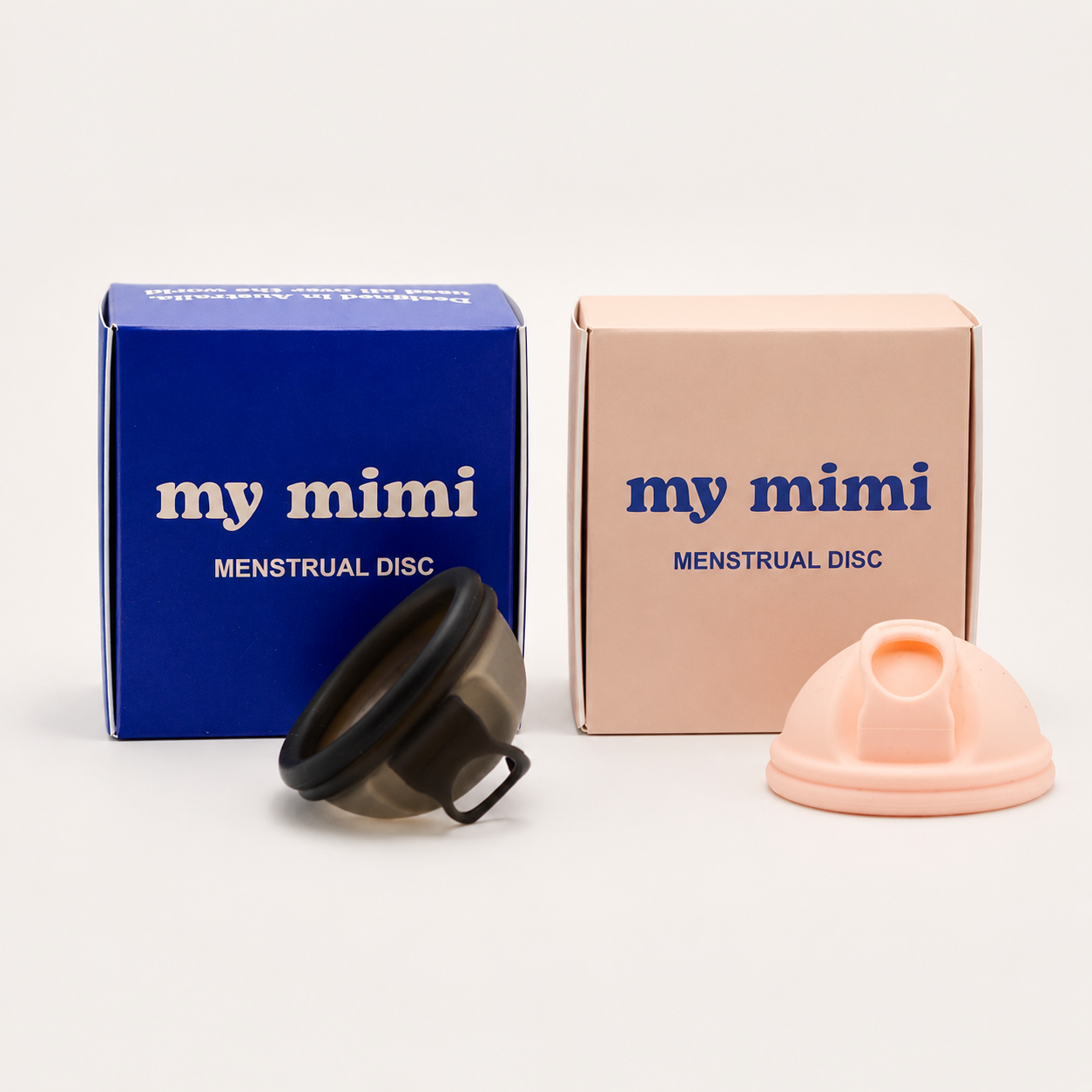
Check if your disc is in right
2

Under-emptying or over-filling

Sign: Leaks after several hours, even when placement feels correct.

Fix: Empty on a schedule that matches your flow. On heavy hours, shorten your wear time.

Read the fullness guide
3

Size not ideal for your anatomy

Sign: Repeated slipping, discomfort or difficulty maintaining placement.

Fix: Review sizing based on age, cervix height, flow and birth history.

Review the size guide
4

Insertion friction or discomfort

Sign: The rim catches, does not slide smoothly or feels hard to position.

Fix: Use a small amount of water-based lubricant to help the rim glide into place.

Shop water-based lubricant
5

Auto-emptying mistaken for leaks

Sign: A gush when you bear down while using the toilet.

Fix: This can be normal for some discs. Retuck the rim behind the pubic bone before standing.

Learn about auto-emptying
6

Residual blood after reinsertion

Sign: Light spotting for 10 to 20 minutes after putting the disc back in.

Fix: Wipe thoroughly after reinsertion so residual fluid does not pool and look like leaking.

Read cleaning tips
Technique checklist

Leak-proofing techniques that help

These habits help prevent most beginner leaks.

  • Use a reliable fold. Choose a fold that opens easily in your body. Explore folding techniques.
  • Aim back, not up. Guide the disc towards your tailbone so it sits under the cervix.
  • Retuck after using the toilet. Lift the front rim back behind the pubic bone before standing.
  • Match wear time to flow. Use fullness cues to set your emptying schedule.
  • Revisit the basics. Use the step-by-step use guide whenever you feel unsure.

When to reach out

If you continue to leak after trying the fixes above, compare your experience with the focused guide on do menstrual discs leak?

You can also read customer experiences on the reviews page or contact the team for guidance.

When sizing may be the issue

If leaks happen every time, even after checking your angle and tuck, your size may not be right for your body.

The my mimi menstrual disc comes in two sizes, which gives you more fit options.

Helpful next steps

These guides can help you troubleshoot fit, capacity and positioning in more detail.

Most leaks are fixable

A leaking menstrual disc is usually a sign that something needs adjusting. Start with placement, tuck, size and capacity. Make one change at a time so you can work out what helps.

With the right fit and technique, your menstrual disc should feel secure, comfortable and reliable.

Health Notice: This information supports your wellbeing journey, but it is not a substitute for professional medical advice. If you experience pain, ongoing discomfort, unusual symptoms or difficulty removing your disc, speak with a qualified health professional.