
menstrual disc gentle foaming cleanser 60mL
Mix & match 2+ accessories, get 10% off each
Mix cleanser, lube, tablets, steriliser or bags. Your 10% discount applies automatically when you add 2 or more accessories.
Delivery & dispatch
Dispatched from Melbourne, Australia
Description
Effortless, Natural Care for Your Menstrual Disc
Meet the my mimi Gentle Foaming Cleanser - your go-to solution for maintaining the cleanliness and hygiene of your menstrual disc. Infused with natural, skin-friendly ingredients, this bubbly cleanser makes caring for your my mimi products simple and refreshing.
Why Choose the my mimi Gentle Foaming Cleanser?
The my mimi Gentle Foaming Cleanser is specially designed to protect your menstrual disc while supporting a healthy vaginal pH balance. Its gentle yet effective formula ensures a thorough clean without harsh chemicals, leaving your menstrual products fresh and ready for use. One bottle lasts approx 3 months.
Transform your cleaning routine - experience the ease and effectiveness of the my mimi Gentle Foaming Cleanser today!
Find your size?
How to use
Cleaning & care
Rinse your my mimi menstrual disc with cold water first, then wash with warm water and a gentle cleanser before and after use.
- Boil or sterilise your disc before first use and between cycles.
- Avoid harsh soaps, antibacterial hand wash, vinegar, bleach or fragranced products.
- Allow your disc to dry fully before storing it in its cotton pouch.
- Check your disc regularly and replace it if you notice tears, tackiness, damage or major changes in texture.
For extra convenience, use the my mimi GO steriliser or cleaning tablets as part of your regular care routine.
Material
Key features
Care, clean and store
Menstrual disc accessories FAQs
Find the right menstrual disc cleaner, steriliser, lubricant, applicator and storage accessories for a simpler reusable period-care routine.
What menstrual disc accessories do I need?
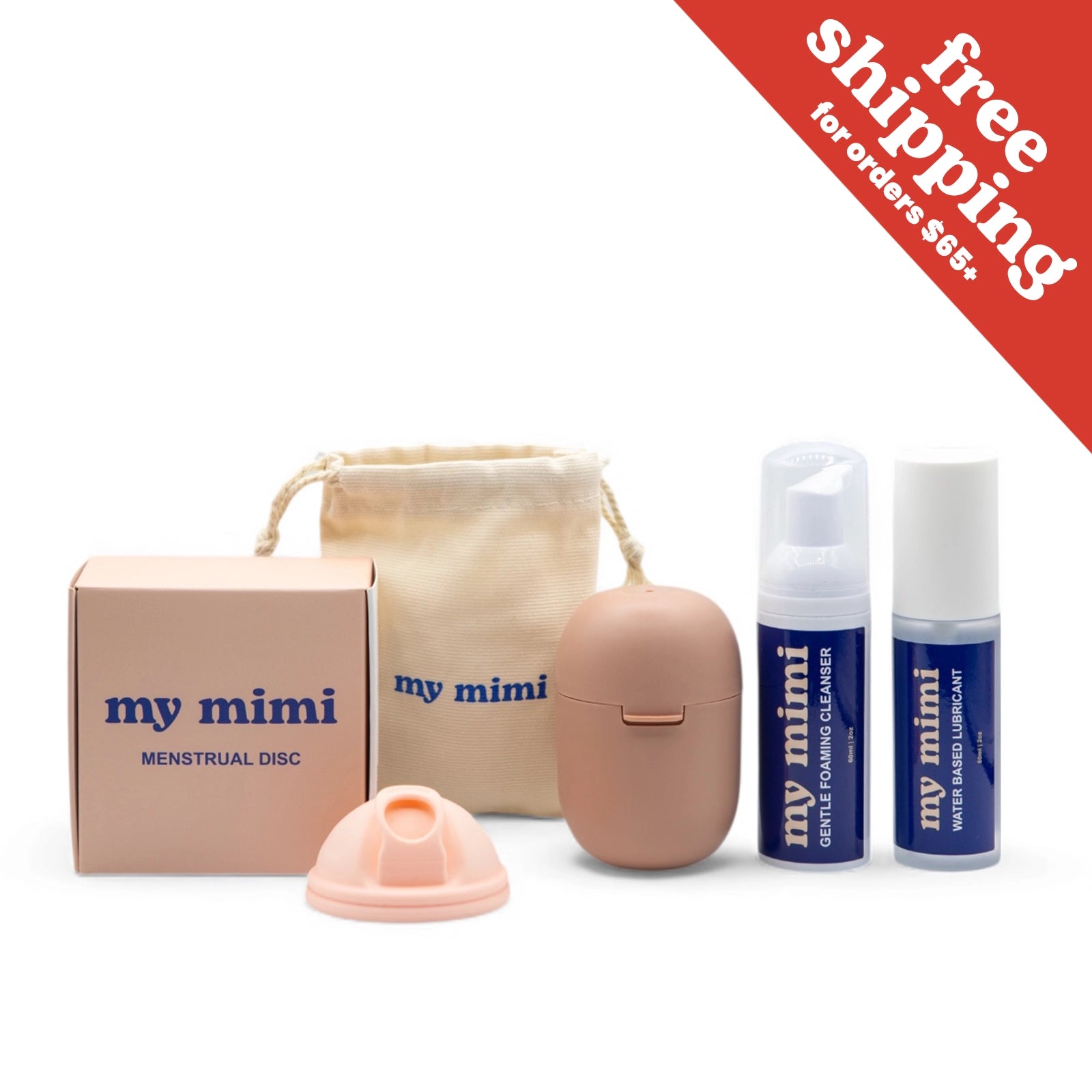
The most useful menstrual disc accessories depend on your routine. A silicone-safe cleanser supports everyday washing, a menstrual disc steriliser or cleaning tablets provide a deeper clean between cycles, water-based lubricant can make insertion more comfortable, and a breathable carry bag keeps a clean, dry disc organised between uses.
Beginners may also prefer a menstrual disc applicator for more guided insertion. Browse all my mimi menstrual disc accessories.
What should I use to clean a menstrual disc?
For routine cleaning, rinse the disc with clean water and wash it with clean hands using a mild cleanser designed for body-safe silicone. Rinse thoroughly so no cleanser remains before reinserting or air-drying the disc.
The my mimi Gentle Foaming Cleanser is made specifically for reusable menstrual care. For a complete care routine, read our guide to cleaning a menstrual disc and removing odour.
What should I avoid using on a menstrual disc?
Avoid bleach, harsh disinfectants, abrasive brushes, heavily fragranced soaps and cleaning products that are not intended for body-safe silicone. These products may leave residue, irritate sensitive skin or affect the feel of the silicone over time.
Keep the routine gentle, rinse thoroughly and allow the disc to dry completely before storage. See our menstrual disc care guide for the recommended cleaning steps.
Do I need a menstrual disc steriliser?
A menstrual disc steriliser is not required for every wash, but it provides a convenient way to sanitise your disc between cycles. Many people use everyday cleanser during their period and complete a deeper sanitising step before storage or before the next cycle begins.
The compact my mimi GO menstrual disc steriliser is microwave-compatible and designed for home or travel use. Always follow the supplied product and disc care instructions.
How do menstrual disc cleaning tablets work?
Menstrual disc cleaning tablets dissolve in water to create a convenient deeper-cleaning solution for reusable silicone period products. They are designed to help sanitise the disc and reduce odour, residue and visible staining without scrubbing the silicone.
Use the tablets only as directed, rinse the disc thoroughly afterwards and keep the tablets out of reach of children. Shop my mimi menstrual disc cleaning tablets or review our guide to menstrual disc staining.
Can lubricant make menstrual disc insertion easier?
Yes. A small amount of water-based lubricant around the rim can reduce friction and make insertion feel smoother, particularly for beginners, people experiencing dryness or anyone who feels tense during insertion. Pinch the disc first, then apply only a small amount so it remains easy to hold.
Choose a lubricant that is compatible with silicone products. The my mimi water-based personal lubricant is designed to support comfortable menstrual disc insertion. New users can also follow our first-time menstrual disc guide.
What is a menstrual disc applicator?
A menstrual disc applicator is a reusable tool that holds a folded disc and helps guide it during insertion. It can provide greater control than finger insertion alone and may be helpful for first-time users, people who feel nervous about insertion or anyone who prefers a more guided technique.
The my mimi Menstrual Disc Applicator is compact, reusable and designed specifically for menstrual discs. You still need to check that the front rim is tucked securely behind the pubic bone after the disc is released.
How do I clean a menstrual disc applicator?
Wash the applicator after each use with warm water and a mild, fragrance-free or pH-balanced soap. Rinse it thoroughly, allow it to air-dry completely and store it with its protective cap fitted.
Avoid boiling, harsh chemicals and high heat unless the product instructions specifically state otherwise. Review the full use and care directions on the menstrual disc applicator product page.
How should I store a menstrual disc between cycles?
Clean and sanitise the disc according to its care instructions, then allow it to air-dry fully. Store it in a clean, breathable pouch rather than an airtight container while it is damp. Breathable storage helps prevent trapped moisture and keeps your reusable period products organised.
The reusable my mimi menstrual disc carry bag is made for discreet storage at home or in your handbag.
Which menstrual disc accessories are best for travel?
A practical travel kit may include your menstrual disc, a breathable carry bag, a small silicone-safe cleanser, water-based lubricant and either the compact GO steriliser or cleaning tablets. Choose the cleaning option that suits the facilities available at your destination.
Pack your accessories clean and dry, carry access to clean water where practical and practise your routine before travelling. Read our menstrual disc travel guide.
Can menstrual disc accessories be used with other brands?
Some care accessories, such as silicone-safe cleanser, water-based lubricant, cleaning tablets and breathable storage bags, may be suitable for reusable silicone period products from other brands. Always check the instructions and material-care guidance supplied with your specific product before use.
Fit-dependent products such as a menstrual disc applicator should be checked carefully for compatibility with the shape and dimensions of your disc.
Should I buy menstrual disc accessories separately or in a bundle?
Buy accessories separately when you already own a disc or want to add one specific item to your routine. A bundle can be more convenient for a first-time user because the disc and compatible cleaning, insertion or sterilising accessories are selected together.
Compare the available my mimi menstrual disc bundles or shop individual products in the menstrual disc accessories collection.
learn
Period Nutrition: What to Eat Before, During and After Your Period
What you eat throughout your menstrual cycle can influence your energy, cravings, digestion and overall wellbeing. In this comprehensive guide, discover the best foods, drinks and nutrients to support your body before, during and after your period, plus practical meal ideas, symptom-specific nutrition tips and expert-backed advice.
Learn more14 Common PMS and Period Symptoms Explained: Headaches, Mood Changes and More
Hunger, diarrhoea, constipation, nausea, headaches, sore breasts, skin changes and sudden mood shifts can all feel unrelated. However, they may appear around the same time because the menstrual cycle affects far more than the uterus. Changes in oestrogen and progesterone, the release of prostaglandins, disrupted sleep, pain, fluid shifts and changes to appetite or digestion can all influence how you feel before and during your period. The exact pattern is different for every person, and it may also change from one cycle to the next. Quick answer Many common PMS and period symptoms are connected to normal hormonal changes and the inflammatory chemicals involved in menstruation. Mild symptoms can be common, but severe, new or disruptive symptoms deserve medical attention. In This Guide Why am I so hungry before my period? Why do I get diarrhoea on my period? Why am I constipated on my period? Why do I feel nauseous? Why do I get headaches? Why do I feel dizzy? Why am I so moody? Why do my legs ache? Why am I so cold? Why do my breasts hurt? Why does my period cause acne? Why does my skin change? Why do I crave chocolate? Why am I so emotional? What Is Your Period Trying to Tell You? Choose the symptom that is bothering you most. This tool provides a simple cycle-related explanation and takes you to the detailed section below. 🍽️ Hunger and cravings 🫄 Digestion changes 🤢 Nausea 🧠 Headache or dizziness 💭 Mood and emotions 🦵 Body aches 💗 Breast tenderness ✨ Skin changes Hunger and cravings Appetite and food preferences can shift in the days before a period as hormone levels change. Poor sleep, stress and feeling physically uncomfortable may intensify hunger or cravings. Eat regular meals rather than waiting until you feel ravenous. Combine carbohydrates with protein, fibre or healthy fats. Enjoy the food you are craving without treating it as a failure. Read the detailed explanation Why Can One Menstrual Cycle Cause So Many Symptoms? Premenstrual syndrome, usually shortened to PMS, describes a collection of physical and emotional symptoms that occur after ovulation and before a period. Symptoms may include appetite changes, food cravings, breast tenderness, headaches, mood changes, bloating and fatigue. Oestrogen and progesterone rise and fall across the cycle. These hormones interact with systems involved in mood, appetite, temperature, fluid balance, skin and digestion. When pregnancy does not occur, hormone levels fall before menstruation, and this change may contribute to PMS symptoms. Prostaglandins also play an important role. These locally produced chemicals help the uterus contract and shed its lining. They can contribute to cramps and may affect the bowel, which helps explain why diarrhoea, nausea and pain through the back or thighs can accompany a period. Your pattern matters more than someone else’s. It can be useful to track symptoms for two or three cycles, including when they begin, when they improve and how strongly they affect daily life. Appetite and Cravings Changes in hunger and food preferences are common before a period, but they do not mean you lack willpower. Why Am I So Hungry Before My Period? Increased hunger often appears during the luteal phase, which is the time between ovulation and the beginning of your next period. Hormonal changes can affect appetite signals, mood and energy. You may also feel hungrier when PMS disrupts your sleep or makes your usual meals less satisfying. Some people notice only a small increase in appetite, while others feel noticeably more interested in carbohydrates, sweet foods or larger meals. Restricting food heavily in response can create a cycle of becoming overly hungry and then feeling out of control around food. What may help: Eat regular meals and snacks rather than skipping food to compensate. Include protein, fibre and a satisfying source of carbohydrates. Keep convenient options available for days when energy is low. Prioritise sleep where possible, as tiredness can amplify appetite. Why Do I Crave Chocolate on My Period? Chocolate combines sweetness, fat, flavour and a comforting texture, making it an especially appealing food when your mood or energy is lower. Hormonal changes may alter appetite and reward responses, while habit also plays a role if chocolate has become associated with comfort during your period. Chocolate contains magnesium, but a craving does not automatically prove that your body is deficient in magnesium. Cravings are complex and can reflect pleasure, routine, hunger, stress or a desire for quick energy. What may help: Eat enough throughout the day and enjoy a portion of chocolate when you want it. Pairing it with yoghurt, fruit, nuts or another filling food may make the snack more satisfying. Digestion and Stomach Symptoms Hormonal shifts and prostaglandins can make bowel habits feel very different before and during menstruation. Why Do I Get Diarrhoea on My Period? Prostaglandins help the uterus contract. These chemicals can also affect smooth muscle in the bowel, which may increase bowel activity and lead to softer, more frequent stools or diarrhoea. Changes to food choices, caffeine intake, stress and pain can also affect the bowel around your period. Symptoms are often most noticeable at the beginning of menstruation, when cramping may also be strongest. What may help: Drink enough fluid to replace what you are losing. Choose simple foods you tolerate well while symptoms are active. Reduce large amounts of caffeine if it makes urgency worse. Seek advice if diarrhoea is severe, persistent or contains blood. Why Am I So Constipated on My Period? Some people experience constipation before their period rather than diarrhoea. Progesterone is higher during much of the luteal phase and may contribute to slower digestion in some people. Changes in activity, fluid intake, stress and diet may add to the problem. It is also possible to feel constipated before menstruation and then develop looser stools once bleeding begins. That shift may reflect the changing balance of hormones and prostaglandins across these days. What may help: Drink water regularly throughout the day. Increase fibre gradually rather than suddenly. Try gentle movement such as walking. Do not ignore the urge to use the toilet. Why Do I Feel Nauseous During My Period? Nausea may occur alongside strong cramps, diarrhoea or a menstrual migraine. Prostaglandins can affect both uterine contractions and the digestive system, while severe pain itself may make you feel sick. Nausea can also have causes unrelated to menstruation. Pregnancy, infection, medication side effects, migraine and gastrointestinal illness should be considered when the symptom is unusual, severe or does not follow your normal cycle pattern. What may help: Take small sips of fluid, eat smaller meals, avoid foods that worsen your symptoms and rest in a cool, comfortable place. Seek medical advice for repeated vomiting, dehydration or severe pain. Headaches, Dizziness and Feeling Cold Hormonal changes may interact with migraine, hydration, blood loss, sleep and blood sugar. Why Do I Get Headaches During My Period? A fall in oestrogen before menstruation can trigger headaches in some people. Those who experience migraine may notice attacks before or during a period, sometimes called menstrual migraine. Dehydration, missed meals, poor sleep, stress and changes in caffeine intake can also contribute. Tracking the timing and features of your headaches can help a doctor distinguish menstrual migraine from other headache types. What may help: Eat regularly, remain hydrated, protect your sleep routine and avoid making abrupt changes to your usual caffeine intake. Discuss frequent or disabling headaches with a healthcare professional. Why Do I Feel Dizzy on My Period? Dizziness can have many causes. During a painful period, it may relate to pain, dehydration, diarrhoea, not eating enough or feeling faint. Heavy menstrual bleeding can also contribute to iron deficiency or anaemia over time, which may cause tiredness, weakness, breathlessness or light-headedness. Dizziness should not automatically be blamed on your cycle. It can also relate to blood pressure, medication, infection, migraine, heart rhythm problems and other conditions. What may help: Sit or lie down if you feel faint, drink water and eat something if you have not eaten recently. Seek prompt medical advice for fainting, chest pain, shortness of breath, neurological symptoms or persistent dizziness. Why Am I So Cold During My Period? Body temperature changes slightly across the menstrual cycle. Progesterone tends to raise resting temperature after ovulation, and temperature may fall again as hormone levels drop before menstruation. Some people interpret that change as feeling cooler or more sensitive to cold. Feeling unusually cold can also be linked with low food intake, illness, thyroid problems or iron deficiency. This is particularly worth discussing with a doctor when it is persistent or occurs with heavy bleeding, fatigue, pale skin, weakness or breathlessness. What may help: Wear warm layers, eat regular meals, drink warm fluids and monitor whether the symptom occurs only around menstruation or throughout the month. Mood and Emotional Changes PMS can affect emotional regulation as well as physical comfort. Why Am I So Moody Before My Period? Irritability, mood swings, anxiety and feeling less patient can occur during the luteal phase. The fall in reproductive hormones before menstruation may interact with brain chemicals involved in mood, while poor sleep, pain and stress can lower your tolerance for everyday frustrations. Mild mood changes are common, but symptoms that regularly damage relationships, stop you working or studying, or make you feel unsafe deserve medical support. What may help: Track your mood across several cycles, protect sleep, eat regularly, reduce avoidable stress and let people close to you know when you are having a difficult day. Why Am I So Emotional During My Period? Feeling tearful, sensitive or overwhelmed may be part of your PMS pattern. Physical discomfort, disrupted sleep and the stress of managing bleeding can intensify emotions even after menstruation begins. For most people, symptoms improve within the first few days of the period. When severe emotional symptoms repeatedly appear before menstruation and interfere with daily functioning, a doctor may assess for premenstrual dysphoric disorder or another mental health condition. What may help: Give yourself additional recovery time, identify commitments that can be simplified and speak with a healthcare professional when symptoms feel intense, persistent or difficult to manage. Aches and Breast Tenderness Period-related discomfort does not always remain in the lower abdomen. Why Do My Legs Ache During My Period? Period pain can radiate from the pelvis into the lower back and thighs. The nerves supplying these areas share pathways, so uterine cramping may be felt as a dull ache, heaviness or cramping in the legs. Muscle tension, reduced activity and fluid retention may add to the discomfort. Severe pain down one leg, swelling, redness, weakness or numbness is not a typical period symptom and should be assessed. What may help: Try heat, gentle walking, light stretching and changing position regularly. Seek medical advice when pain is severe or is accompanied by swelling, weakness or neurological symptoms. Why Do My Boobs Hurt Before My Period? Cyclical breast tenderness is a recognised PMS symptom. Hormonal changes can affect breast tissue and fluid retention, making the breasts feel swollen, heavy, sensitive or sore in the days before menstruation. The discomfort commonly affects both breasts and improves once the period begins. A new lump, nipple discharge, skin change or persistent pain in one specific area should be checked by a healthcare professional. What may help: Wear a supportive, well-fitting bra, use a warm or cool compress and track whether tenderness follows a predictable monthly pattern. Acne and Skin Changes The balance of oil, hydration and skin sensitivity can shift across the cycle. Why Does My Period Cause Acne? As oestrogen and progesterone fall before menstruation, the relative influence of androgen hormones may become more noticeable. This can increase oil production and contribute to blocked pores and inflamed breakouts. Hormonal acne often appears around the chin, jawline or lower face, although it can occur elsewhere. Stress, skin products, sweat and touching the face can also affect breakouts. What may help: Keep your routine gentle and consistent, avoid aggressive scrubbing and use non-comedogenic products. A pharmacist, GP or dermatologist can suggest treatment for painful, scarring or persistent acne. Why Does My Skin Change During My Cycle? Skin may feel different at each stage of the cycle. Some people notice increased oiliness around ovulation or before a period, while others experience dryness, sensitivity, redness or a duller appearance. Hormones are only one factor. Sleep, stress, hydration, climate, medication and skincare products can all influence the way your skin looks and feels. What may help: Rather than completely changing products every week, maintain a gentle base routine and adjust only what your skin needs, such as adding moisturiser when it feels dry or reducing heavy products when it feels oily. When Should Period Symptoms Be Checked? Common does not mean that you have to tolerate symptoms that are severe, frightening or disruptive. Speak with a healthcare professional when symptoms are new, getting worse or stopping you from participating in normal activities. Very heavy bleeding Seek advice if you are soaking through period products unusually quickly, passing very large clots or developing symptoms of anaemia. Fainting or persistent dizziness Dizziness with fainting, chest pain, breathing difficulty, weakness or neurological symptoms needs prompt assessment. Repeated vomiting or dehydration Seek help if you cannot keep fluids down, urinate much less than usual or feel increasingly weak. Severe pain Pain that is worsening, occurs outside your period or does not respond to usual measures may require investigation. Major mood changes Seek professional support when anxiety, depression, anger or hopelessness repeatedly interferes with daily life. A significant change from normal A sudden change in bowel habits, bleeding, headaches or other symptoms should not automatically be assumed to be hormonal. Urgent support: Seek urgent medical assistance if you feel faint with severe pain or heavy bleeding, have chest pain, difficulty breathing, sudden weakness or numbness, or believe you may be experiencing a medical emergency. How to Track Your PMS and Period Symptoms A symptom diary can help identify whether symptoms consistently appear during a particular stage of the cycle. Record: The first day of bleeding. When each symptom begins and ends. Severity on a simple scale from one to ten. How symptoms affect sleep, work, exercise and relationships. Medication, food, caffeine, stress and other factors that may be relevant. Bring the record to a medical appointment if symptoms are concerning. A clear pattern can help distinguish PMS from symptoms that occur throughout the month. Related my mimi Guides Why am I so tired on my period? Best teas for period cramps Five juices to drink during your period Everything you need to know about menstruation How to use a menstrual disc Explore the my mimi menstrual disc Health Notice: This article provides general information and is not a substitute for personalised medical advice, diagnosis or treatment. Period symptoms can have many causes. Speak with a qualified healthcare professional if symptoms are severe, persistent, new or affecting your daily life.
Learn moreMenstrual Disc Applicator Guide: Easier Insertion for Beginners
New to menstrual discs or finding insertion difficult? This beginner-friendly guide explains how a menstrual disc applicator works, how to use it correctly and how to check that your disc is positioned properly.
Learn more